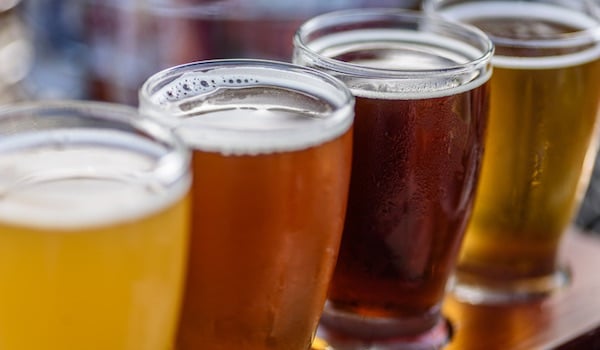
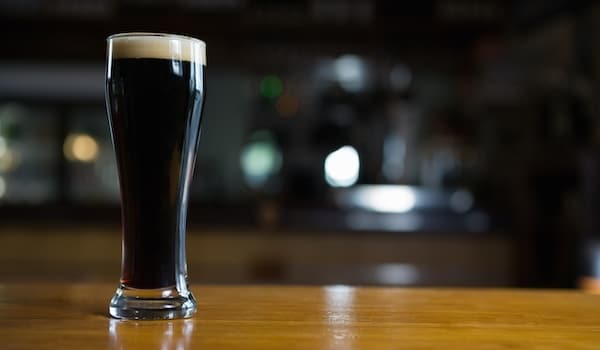
Lager beer is the most widely drunk beer style on the planet — a cold-fermented, bottom-fermented brew known for its clean, crisp flavor and refreshing finish. According to CraftBeer.com’s beer styles guide, lager encompasses over a dozen distinct styles, from pale helles to rich doppelbock. It’s brewed with lager yeast at low temperatures, which produces a smooth, malt-forward character with little to no fruity or estery notes. Most lagers fall between 4–5.5% ABV and range from pale gold to deep amber in color.
If you’ve ever cracked open a Budweiser, Heineken, or Corona, you’ve had a lager. But that’s just the beginning. Behind those household names sits a genuinely diverse style — from crisp Czech pilsners to rich German Märzens to the malty dark lagers that Munich built its brewing reputation on.
This guide covers what actually makes a lager a lager, how the major styles differ, and which ones are worth seeking out.
Lager At-A-Glance
| Attribute | Lager Profile |
|---|---|
| Yeast Type | Bottom-fermenting (Saccharomyces pastorianus) |
| Fermentation Temperature | Cold — typically 35–50°F (2–10°C) |
| Flavor Profile | Clean, crisp, smooth, with minimal fruity esters |
| Appearance | Pale straw to very dark, depending on the style |
| Typical ABV | Usually 4–6%, although stronger lagers exist |
| Popular Styles | Pilsner, Helles, Märzen, Dunkel, Bock |
| Best Known For | Clean fermentation character and a crisp, refreshing finish |
What Makes a Lager Different From an Ale?
The difference comes down to yeast and temperature. Ales use top-fermenting yeast that works at warmer temperatures — typically 60–75°F. Lagers use bottom-fermenting yeast (Saccharomyces pastorianus) at much colder temperatures, usually 35–50°F. That cold fermentation is what gives lager its clean, neutral character.
Ale yeast produces esters — fruity, floral compounds — as a byproduct of fermentation. Lager yeast, working slowly in the cold, produces almost none. The result is a beer where the malt and hops come through clearly, without yeast character getting in the way.
After fermentation, lagers are lagered — stored cold for weeks or months. The word “lager” actually comes from the German word for storage. This conditioning smooths out any rough edges and produces that signature clean finish.
For a broader look at how ale and lager fit into the beer world, our guide on different types of beer covers the full picture.
A Brief History of Lager
Before Lager: A World of Ale
Lager as we know it is surprisingly young. Before the 19th century, almost all beer was ale — brewed warm, consumed quickly, and highly variable in quality. Bavarian brewers had noticed that beer stored in cold mountain caves over summer lasted longer and tasted cleaner, but they didn’t fully understand why. What they’d accidentally stumbled on was lager yeast at work.
The 1840s: Two Beers That Changed Everything
The real turning point came in the 1840s. In 1841, Austrian brewer Anton Dreher developed the Vienna lager — the first commercially successful cold-fermented amber beer, using a new kilning technique that produced pale, clear malt. A year later, in 1842, something even more significant happened in Pilsen, Bohemia. A brewer named Josef Groll combined Bavarian lager yeast with the region’s exceptionally soft water and local Saaz hops to produce the world’s first golden, clear lager — what we now call Czech pilsner. People had never seen a beer that looked like that. It was a sensation.
Refrigeration and Global Domination
From Pilsen, the style spread rapidly across Europe. German and Czech immigrants carried lager yeast to the Americas, and by the late 19th century, breweries across the United States were producing pale lager at industrial scale. The invention of mechanical refrigeration in the 1870s removed the last barrier — no longer did you need alpine caves to keep fermentation cold. Lager could be brewed anywhere, year-round, in any climate. By the early 20th century, it had become the dominant beer style on earth, a position it hasn’t relinquished since.
The Craft Revival
All of this happened in under 100 years. Lager went from a regional Bavarian oddity to the most consumed beverage category on the planet in roughly two generations. The craft beer revival of the last few decades pushed back against that monoculture — but it’s also sparked serious renewed interest in what lager can actually be when brewed with care and time. The best craft lagers being made today are as good as anything the 19th century German brewmasters produced.
Types of Lager Beer: The Major Styles

Pale Lager
The style that conquered the world. Pale lager is light in color, light in body, and built for easy drinking. Budweiser, Miller, Coors, Heineken, Stella Artois — they’re all pale lagers. Crispy, cold, and inoffensive are the operating principles. At its best (think a fresh Czech Budvar or a well-made Japanese lager), pale lager is genuinely refreshing. At its worst, it’s fizzy water with ambitions.
The category gets a bad reputation because of the mass-market end of the spectrum, but don’t let that put you off. A well-made pale lager from a craft brewery — clean water, quality pilsner malt, proper lagering time — is one of the most technically demanding and satisfying beers a brewer can produce. There’s nothing to hide behind. Everything shows.
Pilsner
Pilsner is pale lager’s more interesting cousin. Born in Pilsen, Czech Republic in 1842, it’s hoppier and more bitter than a standard pale lager — with a floral, spicy hop character from noble hops like Saaz. The Czech pilsner (think Pilsner Urquell) is the original: golden, slightly hazy, with a soft mouthfeel and lingering bitterness. German pilsner tends to be crisper and drier. Both reward slow drinking far more than their macro counterparts.
Pilsner is also where the lager family gets the most interesting for hop-heads. A traditional Czech pilsner from a good brewery has real bitterness — 30–45 IBUs — and a distinct Saaz spiciness that nothing else quite replicates. It’s nothing like what the word “pilsner” has come to mean in the marketing materials of major international brands. Seek out the real thing — and if you want the full breakdown on what separates the styles, our complete guide to pilsner beer covers it all.
Beyond pale lager and pilsner, the lager family spans a huge range of styles — from rich amber Märzens to dark dunkels to the strong bock tradition. For a full breakdown of every German lager style and the best examples to try, jump to the German Lagers section below.
How Is Lager Beer Made?
The basics are the same as any beer: malt, hops, yeast, and water. What sets lager apart is the process — specifically how cold, slow, and time-intensive it is compared to ale brewing.
Cold Fermentation
After mashing and boiling, the wort is cooled to fermentation temperature — much colder than you’d use for an ale. Lager yeast is pitched and fermentation begins slowly, typically taking 1–2 weeks at 35–50°F. Because the yeast works at low temperature, very few flavor compounds are produced beyond the malt and hops themselves. That’s the whole point. You’re stripping out the noise and letting the ingredients speak.
The Lagering Phase
After primary fermentation, the beer enters the lagering phase — cold conditioning at near-freezing temperatures for anywhere from a few weeks to several months. Traditional German lagers were lagered for up to six months. Most commercial lagers today are lagered for far less time, which is one reason craft lagers taste noticeably better than their mass-market equivalents.
During lagering, several things happen. Remaining yeast and proteins drop out of suspension, giving the beer its characteristic clarity. Any residual sulfur compounds — a common byproduct of lager fermentation — dissipate. Harsh hop bitterness rounds out. The result is a smoother, cleaner beer than you’d get from rushing the process. This is why a great helles or pilsner from a traditional German brewery often tastes noticeably more refined than something cranked out in two weeks.
Water Chemistry
Water chemistry plays a bigger role in lager than in most ale styles. Because lager yeast produces so little flavor of its own, the mineral character of the water comes through clearly. Pilsen’s famously soft water is a key reason Czech pilsner has the soft, round mouthfeel it does. Munich’s slightly harder water suits the malt-forward helles and dunkel. Match the wrong water to the wrong style and the result falls flat — or worse, harsh.
Brewing Lager at Home
For homebrewers, lager is considered the more demanding style precisely because of these variables. Temperature control during fermentation, patience during lagering, and attention to water chemistry all matter more than they do with a forgiving ale yeast. Our full guide to how lager beer is made covers the process step by step, including tips for home brewers.
The Best Lager Beers to Try
These are the ones worth actively seeking out at a good bottle shop or on draft:
- Pilsner Urquell (Czech Republic) — The original pilsner, still brewed in Pilsen. Golden, floral, and bitter in the best way. Always try it on draft if you can find it unpasteurized.
- Augustiner Helles (Germany) — Munich’s most beloved everyday lager. Soft, bready, and dangerously drinkable. The gold standard for helles.
- Ayinger Altbairisch Dunkel (Germany) — The benchmark dark lager. Toasted bread, a hint of chocolate, bone-dry finish. If you think you don’t like dark beer, this one changes minds.
- Paulaner Salvator (Germany) — The original doppelbock. Rich, warming, and far more complex than the ABV would suggest. A sipping beer.
- Modelo Especial (Mexico) — An underrated pale lager. Cleaner and more flavor-forward than most of its macro peers — biscuity malt with a crisp finish.
- Victory Prima Pils (USA) — One of the best American craft pilsners. Assertively hoppy with Saaz and Hallertau hops, dry and refreshing. Shows what a US craft brewery can do with the style.
- Notch Brewing Session Pils (USA) — A sessionable craft pilsner at just 4.5% ABV. Bright, bitter, and endlessly drinkable.
Lager vs Ale: Which Is Better?
Neither, really — they’re just different tools for different jobs. Ales offer more complexity, more yeast character, and a wider flavor range. Lagers offer clarity, clean drinkability, and a refreshing finish that’s hard to match on a hot day.
The craft beer world spent years treating lager as the uncool option — the thing your dad drank before IPAs existed. That’s changed. Craft lager is having a genuine moment. Breweries that spent a decade chasing hop bombs and barrel-aged stouts are now putting serious effort into pilsners and helles, because they’re technically demanding and genuinely satisfying to get right.
A well-made lager is harder to brew than most ales, because there’s nowhere to hide. No fruity esters to mask off-flavors, no roasted malt to cover imperfect fermentation. The clean character that makes lager so drinkable is also what makes it unforgiving.
For more on how lager fits alongside other styles, our guide to ale beer covers what separates the two camps at a deeper level.
What Food Goes With Lager?
Lager’s clean, neutral character makes it one of the most food-friendly beer categories there is. Pale lagers and pilsners work with almost anything — the low bitterness and crisp carbonation cut through fat and salt beautifully, which is why a cold lager with pizza, fried chicken, or a burger just works. It’s not accidental that lager became the default pub beer alongside pub food.
Dark lagers open up more interesting pairings. Dunkel and schwarzbier both have enough roasted malt character to stand up to grilled and smoked meats. Märzen’s toasty sweetness is a natural partner for pretzels, roasted pork, and anything coming off a rotisserie. Bock and doppelbock are excellent with rich, fatty foods — braised short ribs, aged cheese, or dense desserts like chocolate cake.
For a full breakdown by style — including specific dish pairings for pilsner, helles, dunkel, märzen, and rauchbier — check out our dedicated lager food pairing guide.
German Lagers: A Complete Guide
Germany is the spiritual home of lager. The country’s brewing traditions span centuries, its purity laws shaped the category, and its regional styles — from the pale softness of a Munich helles to the smoke and fire of a Bamberg rauchbier — remain the benchmarks against which everything else is measured. The BJCP’s 2021 style guidelines list more than a dozen distinct German lager categories, a testament to just how broad this tradition runs. Here’s a rundown of every major German lager style and what makes each one worth your time.
Munich Helles
Helles is Munich’s house beer — the everyday lager that locals have been drinking since 1894, when Spaten Brewery introduced it as a pale alternative to the then-dominant dunkel. It’s malt-forward and gentle, with just enough hop bitterness to keep the sweetness honest. Augustiner Helles is the gold standard: soft, bready, and impossible to drink just one of. If pilsner is the crisp option and dunkel the rich one, helles sits perfectly in between — approachable, beautifully balanced, and as easy-going as beer gets. Read our full guide to German Helles for recommendations and brewing history.
- Augustiner Helles (Munich, Germany) — The benchmark. Soft, bready, and gently sweet with barely-there bitterness. Hard to find outside Bavaria, but worth every effort.
- Spaten Münchner Hell (Munich, Germany) — Clean, reliable, and widely available. A proper everyday helles with good malt presence and a dry finish.
- Tegernseer Hell (Tegernsee, Germany) — Brewed by the Tegernsee monastery brewery in the Bavarian Alps. Arguably even softer and more refined than Augustiner. Exceptional.
German Pilsner
German pilsner took the Bohemian original and sharpened it. Where a Czech pilsner is soft and round — thanks to Pilsen’s exceptionally soft water — the German version tends to be crisper, drier, and more assertively bitter. The hop character is still noble (Hallertau, Tettnang, Saaz) but the finish is leaner. Bitburger, Warsteiner, and Jever are the classic examples, though Jever in particular pushes bitterness further than most — a serious beer for hop-heads who prefer lager over IPA. Our German Pilsner guide goes deep on what separates it from its Czech counterpart.
- Bitburger Premium Pils (Bitburg, Germany) — One of Germany’s most exported pilsners. Crisp, dry, and clean with moderate bitterness and a grassy hop note.
- Jever Pilsener (Jever, Germany) — The bitter end of the German pilsner spectrum. Herbal, dry, and uncompromising. Not for the faint-hearted.
- Warsteiner Premium Pilsener (Warstein, Germany) — Approachable and widely available. A solid everyday German pils with clean malt and gentle bitterness.
Märzen / Oktoberfest
Märzen — brewed in March, lagered through summer, tapped at Oktoberfest — is one of the great seasonal traditions in brewing. The amber color comes from Vienna and Munich malt; the flavor is toasty, slightly sweet, and fuller-bodied than most lagers, finishing clean with just enough bitterness to balance the malt. Paulaner Märzen and Hacker-Pschorr Oktoberfest are the Munich benchmarks, though American craft breweries have taken to the style with real enthusiasm in recent years. If you’ve only ever had the pale Festbier now served at the Munich festival itself, the traditional amber Märzen is a different beer entirely — and a better one. See our full Märzen beer guide for the full story.
- Paulaner Märzen (Munich, Germany) — The Munich benchmark. Amber, toasty, and full-bodied with a clean malt finish.
- Ayinger Oktober Fest-Märzen (Aying, Germany) — Slightly more complex than Paulaner’s version, with deeper malt character and a longer finish.
- Hacker-Pschorr Oktoberfest (Munich, Germany) — Beautifully balanced and one of the most drinkable of the traditional Märzens.
Dunkel
Munich dunkel was Bavaria’s everyday beer long before pale lager existed. Brewed with Munich malt — kilned darker than standard pilsner malt — it delivers toasty bread character, a hint of chocolate and caramel, and a clean, dry finish that makes it far more drinkable than its dark color suggests. It’s sessionable (4.5–5.6% ABV), deeply food-friendly, and one of the most underappreciated styles in the lager family. Most people who think they don’t like dark beer change their mind after trying a well-made dunkel. Ayinger Altbairisch Dunkel is the one to start with. Our dunkel beer guide covers everything you need to know.
- Ayinger Altbairisch Dunkel (Aying, Germany) — The undisputed benchmark. Toasted bread, subtle chocolate, bone-dry finish. If you try one dunkel, make it this one.
- Hofbräu Dunkel (Munich, Germany) — Solid and widely available. A more accessible intro to the style with light chocolate and clean malt character.
- Paulaner Dunkel (Munich, Germany) — Clean and approachable with a pleasant toasty sweetness. A reliable everyday dunkel from one of Munich’s big six.
Bock and Doppelbock
Bock is Germany’s strong lager tradition — rich, malty, and built for slower drinking. The traditional bock (6–7.5% ABV) is amber-brown with a full malt presence and warming finish. Doppelbock pushes it further: 7–12% ABV, often near-black, with dried fruit, toffee, and an intensity that makes it closer to a barleywine in character than anything you’d call a session beer. Paulaner Salvator is the original doppelbock and still one of the best. Beyond those two, the bock family includes Maibock — a pale, hoppy spring version — and Eisbock, a concentrated style made by partially freezing the beer. If you want to see just how far lager can go in terms of strength and complexity, bock and doppelbock are the answer. Our German bock beer guide covers the whole family in detail.
- Paulaner Salvator (Munich, Germany) — The original doppelbock, brewed since 1780. Rich, warming, and packed with dried fruit and toffee.
- Ayinger Celebrator (Aying, Germany) — Widely considered the finest doppelbock available. Dark fruit, chocolate, and a long complex finish. The little goat on the bottle is earned.
- Spaten Optimator (Munich, Germany) — Deep amber doppelbock with molasses and stone fruit. Another Munich classic and widely exported.
- Weihenstephaner Korbinian (Freising, Germany) — From the world’s oldest brewery. Rich and complex, with raisin, fig, and warming alcohol that sneaks up on you.
Schwarzbier
Schwarzbier — “black beer” in German — looks like a stout but drinks like a lager. The roasted malt gives it coffee and dark chocolate notes, but the cold fermentation and lagering process keep the body light and the finish dry and clean. There’s no thick, creamy texture here; it’s closer to a dunkel in weight, just with roasted malt pushed much further. Köstritzer Schwarzbier from Thuringia is the classic example and still widely available. It’s a particularly good gateway beer for ale drinkers curious about lager — familiar dark flavors in a lighter, crisper package. Read more in our schwarzbier guide.
- Köstritzer Schwarzbier (Bad Köstritz, Germany) — The classic. Light-bodied with roasted coffee and dark chocolate notes and a clean, dry finish. More drinkable than it looks.
- Kulmbacher Mönchshof Schwarzbier (Kulmbach, Germany) — Slightly richer than Köstritzer, with more body and a longer roasted finish.
- Schwaben Bräu Das Schwarze (Stuttgart, Germany) — A lesser-known but excellent regional schwarzbier. Roasted malt character with a clean, dry finish that keeps you coming back.
Kellerbier
Kellerbier — literally “cellar beer” — is lager in its most unfinished, honest form. It’s unfiltered and naturally carbonated, served hazy straight from the lagering tank before the brewery gets around to filtering and packaging it. In Franconia, northern Bavaria, it’s still served this way in traditional beer gardens, poured from wooden barrels at cellar temperature. The result is rounder and fresher than filtered lager — a little yeasty, a little fuller, with a soft carbonation that feels different from the snappy fizz of a bottled pilsner. It’s one of Germany’s best-kept brewing secrets. Our kellerbier guide covers the style and the best places to find it.
- Mahr’s Bräu Ungespundet Hefetrüb (Bamberg, Germany) — The real deal. Served from wooden barrels at cellar temperature in Bamberg, naturally hazy and round with a gorgeous soft carbonation.
- Ayinger Kellerbier (Aying, Germany) — One of the better-distributed examples outside Bavaria. Unfiltered, slightly hazy, with a fresh, malt-forward character.
Rauchbier
Rauchbier is the most polarizing beer in the German lager family — and possibly in all of beer. It’s a smoked lager from Bamberg, Franconia, made with malt that’s been dried over beechwood fires rather than in a conventional kiln. The result is exactly what you’d expect: smoke. Bacon smoke, campfire smoke, smoked ham. It’s intense, distinctive, and not for everyone — but in the right context (a beer garden in Bamberg, something grilled in front of you), it makes complete sense. Schlenkerla is the producer you want; their Märzen-style rauchbier is the benchmark. Our rauchbier guide covers the style and the Bamberg brewing scene in full.
- Schlenkerla Märzen (Bamberg, Germany) — The definitive rauchbier. Intense beechwood smoke with a malty backbone that somehow holds it all together. Start here.
- Schlenkerla Urbock (Bamberg, Germany) — The stronger, winter version. More smoke, more malt, more everything. Divisive even among rauchbier fans.
- Spezial Lagerbier (Bamberg, Germany) — A lighter smoke character than Schlenkerla — a better entry point for the uninitiated. Still unmistakably a rauchbier.
Other Lager Styles Worth Knowing
Germany may dominate the lager conversation, but some of the most interesting styles in the category come from elsewhere. Here’s where the rest of the world fits in.
Czech Pilsner
The original golden lager from 1842. Czech pilsner is softer and rounder than its German counterpart, thanks to Pilsen’s exceptionally soft water, with a signature Saaz hop spiciness and malt sweetness that no mass-market imitation has ever quite captured.
- Pilsner Urquell (Pilsen, Czech Republic) — The original. Still brewed in the same city it was invented in 1842. Golden, floral, and bitter in the best way. Try it unpasteurized on draft if you ever get the chance.
- Budvar / Czechvar (České Budějovice, Czech Republic) — The other great Bohemian pilsner. Fuller-bodied than Urquell, with a long lagering time and a rich malt character.
- Kozel Premium Lager (Czech Republic) — A step up from standard Czech lager. Clean, malt-forward, and more interesting than its price point suggests.
Vienna Lager
The original amber lager, developed by Anton Dreher in 1841. Vienna lager is toasty, clean, and more malt-forward than a pilsner. It had a profound influence on Mexican lager brewing — Modelo and Negra Modelo are distant descendants of this style, which arrived in Mexico with Austrian and German immigrants in the 19th century.
- Negra Modelo (Mexico City, Mexico) — The most widely available Vienna-style lager in the world. Dark amber, toasty, and smooth — a gateway beer for anyone who thinks they only like pale lager.
- Dos Equis Amber (Monterrey, Mexico) — Caramel malt, light toastiness, and an easy finish. Another direct descendant of the Austrian original, still brewed in Mexico today.
- Modelo Especial (Mexico City, Mexico) — Technically a pale lager rather than an amber, but shares the clean, biscuity malt character that defines the Mexican lager tradition. One of the better mass-market options in any format.
American Lager
American lager is the dominant global beer style by volume. The mass-market version uses adjuncts like corn and rice to lighten the body and cut costs — not inherently bad, just different from the all-malt European tradition. At its craft best, it’s a genuinely impressive demonstration of clean, precise brewing.
- Budweiser (St. Louis, USA) — The world’s most famous American beer. Rice adjunct lager with a clean, mild profile. Technically well-made and instantly recognizable worldwide.
- Coors Banquet (Golden, USA) — Corn adjunct lager with slightly more malt character than Budweiser. Better than its reputation suggests, especially when fresh and ice cold.
- Miller High Life (Milwaukee, USA) — The “champagne of beers.” Lighter than Budweiser, with a crisp, slightly sweet profile. One of the better macro lagers in the American lineup.
American Craft Lager
American craft lager has been one of the most exciting developments in brewing over the last decade. After years of hop-forward ale dominance, serious breweries started putting real effort into lager — proper cold fermentation, extended lagering times, quality ingredients — and the results have been remarkable. The Brewers Association dedicated an entire resource to modern lager techniques as the style surged in popularity among American craft brewers. Some of the best pilsners and helles in the world are now being brewed outside Germany.
- Bierstadt Lagerhaus Helles (Denver, USA) — Widely regarded as the finest craft helles in America. Traditional German lagering times, exceptional water, and the kind of patience most breweries won’t commit to.
- Jack’s Abby House Lager (Framingham, USA) — Jack’s Abby is an all-lager brewery, and their flagship is a master class in the American craft lager format. Clean, balanced, and quietly impressive.
- Suarez Family Palatine Pils (Hudson, USA) — Small-batch, traditionally brewed, and one of the most talked-about craft pilsners in the country. Worth hunting down.
- Victory Prima Pils (Downingtown, USA) — Assertively hopped with Saaz and Hallertau, dry and refreshing. One of the beers that proved American craft could do pilsner seriously.
Japanese Lager
Japanese lager takes the pale lager format and pushes it to an extreme of dryness and precision that’s unlike anything brewed in Europe or America. Japan’s big three — Asahi, Sapporo, and Kirin — use rice as an adjunct not to cut costs but to achieve a specific flavor profile: ultra-clean, almost zero aftertaste, and bone-dry. The result is a style built around food, not independent drinking. Alongside sushi, ramen, or yakitori, it’s almost unbeatable. Japan also has a thriving craft lager scene worth exploring — breweries like Coedo and Baird Beer are making some genuinely exciting stuff.
- Asahi Super Dry (Tokyo, Japan) — The one that changed Japanese drinking culture in 1987. Extremely dry, near-zero aftertaste, and one of the best-selling beers in the world for good reason.
- Kirin Ichiban (Tokyo, Japan) — Brewed using only the first press of the wort, which gives it a cleaner, softer malt character than most competitors. The most approachable of the big Japanese brands.
- Suntory Premium Malts (Osaka, Japan) — The premium end of Japanese macro lager. All-malt, fuller-bodied, with a floral hop note that sets it apart. If you find it on tap at a Japanese restaurant, order it.
What Is a Lager Beer? FAQ
What does lager taste like?
Most lagers are clean, crisp, and malt-forward with low to moderate bitterness and very little yeast character. Pale lagers are light and refreshing. Pilsners add floral, spicy hop bitterness. Dark lagers like dunkel bring toasted bread and subtle chocolate. The common thread is a clean finish — no fruity or funky notes from the yeast.
Is lager stronger than ale?
Not necessarily. Most standard lagers sit between 4–5.5% ABV — similar to many ales. Bock and doppelbock lagers can reach 7–12% ABV, while session lagers go as low as 3.2%. ABV is determined by the recipe, not the fermentation method.
Is Guinness a lager?
No — Guinness is an Irish dry stout, which is an ale. Despite being dark and smooth, it’s top-fermented with ale yeast at warmer temperatures. The confusion usually comes from people associating dark color with lager, but color comes from the roasted malt, not the fermentation method.
What is the difference between lager and pilsner?
Pilsner is a type of lager — specifically a pale, hop-forward lager that originated in Pilsen, Czech Republic in 1842. All pilsners are lagers, but not all lagers are pilsners. Lager is the broad category; pilsner is one style within it, alongside märzen, dunkel, helles, bock, and others.
Why is lager served so cold?
Cold temperatures suppress carbonation and keep the clean, crisp character intact. Pale lagers in particular are designed to be refreshing at cold temperatures — the low flavor intensity means serving cold doesn’t mask much. More complex lagers like märzen or dunkel actually show more flavor at slightly warmer temperatures, around 45–50°F rather than ice cold.
Join the Craft Beer Me Community
If lager’s got you curious about what else is out there, come join the conversation in the Craft Beer Me Facebook group — it’s where beer nerds debate styles, swap recommendations, and share what’s in the glass. And sign up for the Craft Beer Me newsletter at the bottom of the page for more style guides, brewery picks, and homebrewing tips.