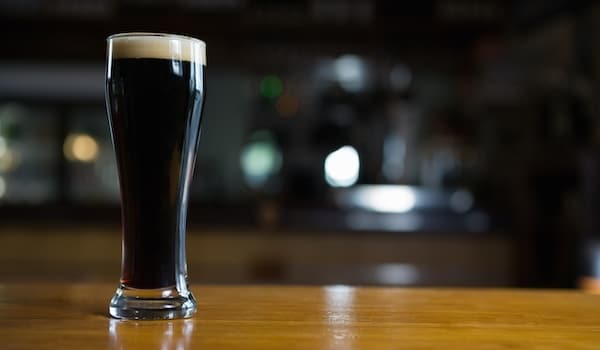

Schwarzbier is a German dark lager beer — jet black in color, with flavors of roasted malt, dark chocolate, and coffee, but with the clean, light body of a lager rather than the heaviness of a stout. It typically runs 4.4–5.4% ABV and finishes dry and crisp. It’s the beer that surprises everyone who assumes dark means heavy.
Schwarzbier translates directly from German as “black beer.” It’s one of the oldest beer styles in Germany, with roots in Thuringia and Saxony going back centuries. And yet outside of Germany it remains criminally underappreciated — overshadowed by pilsners, hefeweizens, and the trendier craft styles that dominate tap lists today.
That’s a shame, because a well-made schwarzbier is one of the most drinkable dark beers on the planet. Beer nerds know this. The rest of the world is slowly catching on.
Where Does Schwarzbier Come From?
Schwarzbier’s origins sit in Eastern Germany, particularly Thuringia and Saxony — regions that have been brewing dark beers since at least the 15th century. Unlike Munich dunkel, which dominated German dark beer culture in the south, schwarzbier developed independently in the east and maintained its own distinct character.
The most famous surviving example of the style’s old-world tradition is Köstritzer Schwarzbier, brewed in Bad Köstritz in Thuringia since 1543. Köstritzer claims the legendary poet Johann Wolfgang von Goethe as a devoted fan — he reportedly had it shipped to him during illness as a tonic. Whether or not you put stock in 18th-century medical advice, it says something about how deeply embedded schwarzbier is in German culture.
During the East German era, schwarzbier remained popular in the east while western German brewing focused on pils and export lagers. Reunification brought broader exposure, and the style has been growing steadily ever since — particularly in the American craft market, where brewers have embraced it enthusiastically.
What Does Schwarzbier Taste Like?
The flavor profile is where schwarzbier consistently surprises people. The color says stout. The taste says something completely different.
You’ll get roasted malt — dark chocolate, a touch of coffee, sometimes a hint of licorice — but without the heavy, thick body that stouts and porters carry. The roast character is there but restrained. The lager fermentation keeps things clean, dry, and crisp. There’s a moderate bitterness (20–35 IBUs) that balances the malt without dominating.
The finish is dry and refreshing. That’s the key difference between schwarzbier and any dark ale. Where a stout or porter lingers, schwarzbier cleans up and gets out of the way — leaving you ready for the next sip rather than weighing you down.
Carbonation is moderate. Mouthfeel is medium-light. Color is deep brown to near-black (17–30 SRM) with a tan or off-white head. It’s a visually striking beer that looks dramatically more intense than it drinks.
Schwarzbier vs. Dunkel — What’s the Difference?
Both are German dark lagers, but they’re quite different beers. Dunkel — Munich’s classic dark lager — is built on Munich malt, which gives it a toasty, bread-like sweetness with hints of chocolate and caramel. There’s no roasted malt character in dunkel. It’s softer, sweeter, and maltier than schwarzbier.
Schwarzbier uses a small percentage of highly roasted malt (similar to what’s used in stouts) to achieve its black color and roasted notes. That roast character is the defining difference. Dunkel is malt-sweet and bready. Schwarzbier is darker and drier with a coffee edge.
Color is the obvious visual tell: dunkel runs amber-brown (14–28 SRM) while schwarzbier goes genuinely dark (17–30 SRM), often looking almost black in the glass.
The Best Schwarzbiers to Try
If you want to explore the style properly, start with these.
Köstritzer Schwarzbier (Germany) — the benchmark. Brewed since 1543, it’s the schwarzbier against which everything else is measured. Roasted malt, dark chocolate, and a dry, clean finish. Widely available and historically significant. If you try one schwarzbier, make it this.
Samuel Adams Black Lager (Massachusetts) — one of the most accessible American schwarzbiers. Smooth roasted character with a very clean finish. It introduced many American drinkers to the style and still holds up well.
Uinta Brewing Baba Black Lager (Utah) — a well-regarded American craft take. Rich chocolate and coffee notes with a dry lager finish. It’s easy to find on the West Coast and frequently wins awards at the GABF.
Homestead Brewing Schwarzbier (San Antonio) — a smaller craft example worth tracking down if you’re in Texas. Traditional German character executed with care. These regional craft interpretations are where the style really gets interesting.
Xingu Black Beer (Brazil) — a good import option when German examples aren’t available. Brazil has a strong German brewing tradition, and Xingu reflects that. Smooth and dark with a lighter body than most people expect.
What Food Pairs Well With Schwarzbier?
Schwarzbier’s roasted notes and clean finish make it a surprisingly versatile food beer. Think of it as having the flavor vocabulary of a dark beer with the body and drinkability of a lager — that combination opens up a lot of pairing options.
Grilled meats are excellent. The roasted malt echoes char and smoke beautifully — burgers, smoked ribs, and grilled sausages all work. German classics like sauerbraten, schnitzel, or roast pork are natural companions.
Dark chocolate desserts and coffee-based dishes are also strong pairings. The roasted malt in the beer finds common ground with the bitterness of dark chocolate and espresso. Even a simple chocolate cake benefits from a schwarzbier alongside it.
For cheese, aged gouda, sharp cheddar, and smoked varieties work particularly well. The roast note cuts through richness without fighting the flavor.
Frequently Asked Questions
Is schwarzbier a stout?
No — schwarzbier is a lager, not a stout. Both are dark beers with roasted malt character, but stouts are ales fermented warm with ale yeast, giving them a fuller body and richer texture. Schwarzbier is fermented cold with lager yeast, producing a lighter body and cleaner, drier finish. The color looks similar; the drinking experience is quite different.
What does schwarzbier mean in German?
Schwarzbier translates directly as “black beer” in German. Schwarz means black, bier means beer. It’s a straightforward name for a beer that is, quite literally, black — or very close to it in the glass.
How strong is schwarzbier?
Schwarzbier runs 4.4–5.4% ABV — a very moderate, sessionable range for a dark beer. Don’t let the color fool you. This is a pint you can have two or three of in a session without any concern. It’s built to drink, not to sip carefully.
Is schwarzbier the same as black lager?
Yes — schwarzbier and black lager are the same style. American brewers often label their versions “black lager” on the can or tap handle, while German-style versions tend to use “schwarzbier.” Both names describe the same beer: a dark, roasted-malt lager with a clean, dry finish.
Join the Craft Beer Me Community
Enjoying the lager deep dive? Sign up for the Craft Beer Me newsletter for more style guides, brewery finds, and tasting notes. Join the community here.