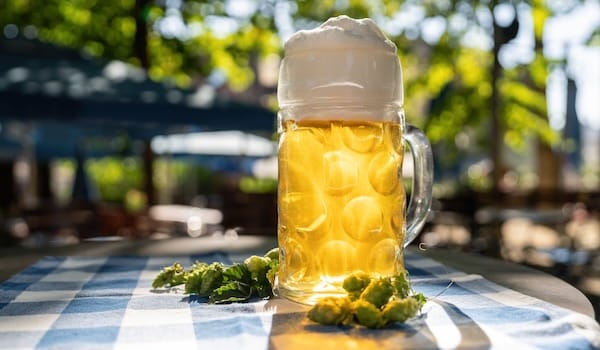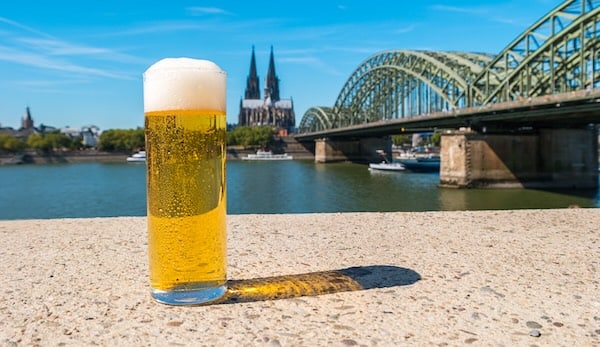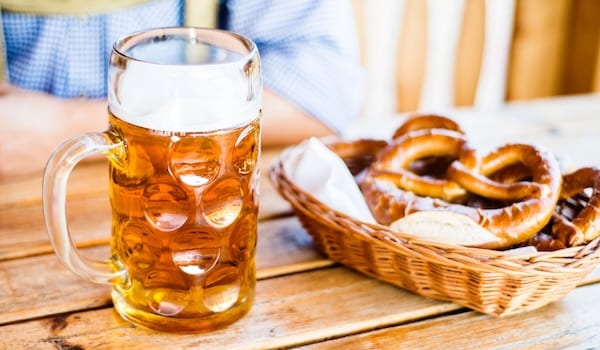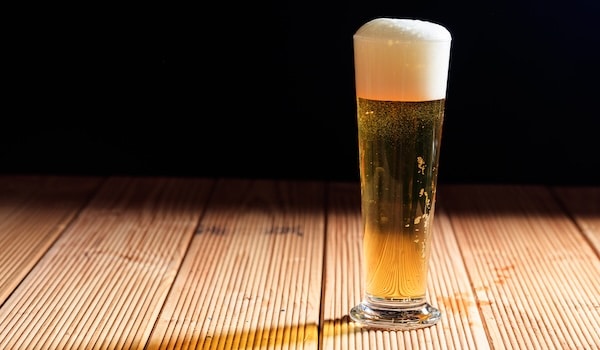

Kellerbier is a German unfiltered, unpasteurized lager beer — pale to amber in color, naturally hazy from yeast in suspension, and fresher in flavor than most commercially filtered beers. It’s how lager tasted before filtration became standard practice. Think soft, round malt character, gentle hop presence, a lively carbonation, and a bright freshness you just don’t get from a clear, shelf-stable lager. ABV typically runs 4.7–5.4%.
Keller means “cellar” in German — a reference to the cold stone cellars where lager was traditionally stored to condition before serving. Historically, kellerbier was a local product: brewed, lagered in the cellar, and served fresh at the brewery or nearby beer garden. You drank it close to where it was made, and you drank it young.
That tradition is alive and well in Franconia (northern Bavaria), where dozens of breweries still make kellerbier the old-fashioned way and serve it in outdoor beer gardens that date back hundreds of years. Outside of Franconia, finding an authentic version takes more work — but it’s absolutely worth it.
Kellerbier vs. Zwickelbier — What’s the Difference?
These names are often used interchangeably, and in practice they describe very similar beers. Technically, there’s a subtle distinction.
Zwickelbier refers specifically to unfiltered, unpasteurized lager taken directly from the tank via a small valve — a Zwickel — typically offered as a brewery taproom exclusive or a preview of a batch in conditioning. It’s arguably the freshest possible version of the beer.
Kellerbier is a broader term for unfiltered, naturally conditioned lager served from cellar storage. In Franconian tradition, kellerbier was sometimes served at slightly warmer temperatures than modern lager — closer to cellar temperature — which is part of why the flavor seems fuller and rounder than a cold, heavily carbonated commercial lager.
For practical purposes: if a brewery labels something kellerbier or zwickelbier, you’re getting an unfiltered, unpasteurized lager with natural haze and a fresher flavor profile than their filtered versions. Both are worth ordering every time you see them on a tap list.
What Does Kellerbier Taste Like?
The flavor difference between filtered and unfiltered lager is real and immediately noticeable. Kellerbier has a softness and roundness that filtered lager loses in the filtration process. The yeast in suspension contributes a very faint breadiness and a subtle earthiness. The malt character comes through more clearly — bready, slightly sweet, clean — without the crisped-out edge that heavy filtration can create.
Hop character tends to be gentle but present — Hallertau or Tettnanger noble hops give a soft, herbal, slightly spicy note. The bitterness (typically 25–40 IBUs in Franconian versions) is moderate and well-integrated. You won’t get any citrus or tropical fruit notes — this is classic German lager territory.
Carbonation is softer than a filtered lager, which contributes to the rounder mouthfeel. Color ranges from golden to amber depending on the base malt — paler examples use Pilsner malt while amber versions incorporate more Munich malt. The haze is light — more of a gentle cloudiness than the thick opaqueness of an unfiltered hefeweizen.
Franconia’s Kellerbier Culture
If you ever find yourself in Franconia — specifically the area around Bamberg — you’ve hit a beer mecca. The region has more breweries per capita than anywhere else in the world, many of them small family operations that have been making kellerbier for generations. The local beer gardens (some carved directly into hillsides above their cellars) serve kellerbier straight from wooden barrels at natural cellar temperature.
Spezial Brauerei in Bamberg is one of the most famous kellerbier destinations — they also make rauchbier (smoked lager), but their kellerbier is exceptional. Brauerei Greifenklau, Brauerei Fässla, and Brauerei Heller are all worth visiting if you make the pilgrimage.
For most drinkers outside Germany, kellerbier is best sought at German-specialty taprooms or imported from Franconian breweries who now export. The American craft market has also produced some excellent versions — breweries committed to traditional lager techniques are natural fits for the style.
The Best Kellerbiers and Zwickelbiers to Try
Aecht Schlenkerla Helles Lagerbier (Germany) — from the famous Bamberg smoke beer brewery, their kellerbier is a revelation. Unfiltered, unpasteurized, and served fresh at the brewery. The non-smoked version shows the pure malt character of Franconian lager at its best.
Chuckanut Kölsch-style Kellerbier (Washington) — Chuckanut takes the kellerbier concept and applies it to multiple base styles. Their unfiltered lager versions are technically excellent and show what the style can do in American craft hands.
Jack’s Abby Springdale Zwickel (Massachusetts) — Jack’s Abby is one of the most lager-focused craft breweries in America. Their unfiltered versions are among the best American takes on the kellerbier tradition. Fresh, round, and genuinely different from their filtered releases.
Dovetail Kellerbier (Chicago) — Dovetail sources German malts and uses traditional lagering methods. Their kellerbier is the real deal — naturally hazy, soft, and bready with a quiet hop presence that lets the malt speak. One of the best American examples available.
Frequently Asked Questions
What does kellerbier mean?
Kellerbier means “cellar beer” in German — a reference to the cold stone cellars where lager was traditionally lagered before serving. The name reflects the style’s origins as a local, fresh product served directly from the brewery cellar rather than after commercial filtration and packaging.
Is kellerbier the same as zwickelbier?
They’re very similar — both are unfiltered, unpasteurized lagers with natural haze. Technically, zwickelbier is taken directly from the conditioning tank via a small valve (a Zwickel), while kellerbier is a broader term for unfiltered cellar-conditioned lager. In practice, the terms are often used interchangeably on tap handles and menus.
Why is kellerbier hazy?
Kellerbier is hazy because it’s not filtered. Commercial filtration removes yeast and proteins from finished beer, producing the brilliant clarity of most packaged lagers. Kellerbier retains its natural yeast in suspension, which gives it a soft, gentle haze and contributes to its fuller, rounder flavor compared to filtered versions of the same base beer.
Where is kellerbier from?
Kellerbier is most closely associated with Franconia, the northern part of Bavaria in Germany — particularly the area around Bamberg, which has an extraordinary concentration of traditional breweries. The style predates commercial filtration and represents how lager was served in Germany before modern packaging technology changed the industry in the 20th century.
Join the Craft Beer Me Community
Enjoying the German lager rabbit hole? Sign up for the Craft Beer Me newsletter for more style guides and brewery recommendations. Join the community here.