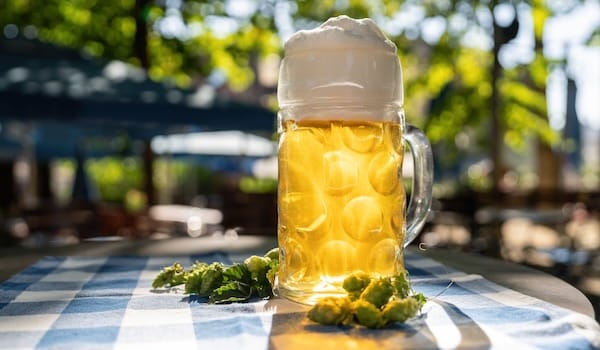
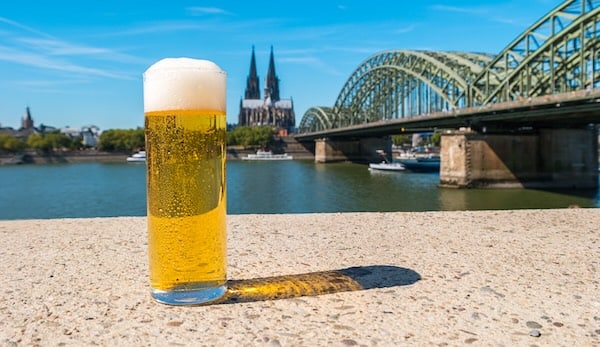
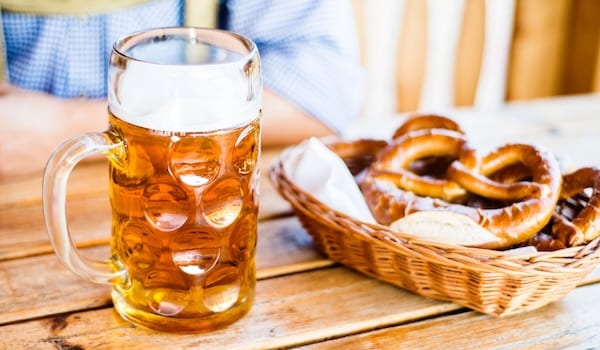
German Pilsner is a pale, dry lager brewed with noble German hops — Hallertau, Tettnang, or Saaz — that gives it a distinctive floral, herbal bitterness and a clean, crisp finish. Drier and more hop-forward than its Czech cousin, German Pils pours pale straw to golden with ABV ranging from 4.4–5.2%. It’s the most widely imitated beer style on earth, and the original is consistently better than what most people have tried.
Ask most people what they picture when they hear “beer,” and they’ll describe a German Pilsner. Pale gold, crystal clear, white head, crisp and refreshing. That image was shaped by this style — or rather, by the industrial versions of it that swept the world in the 20th century. But the original German Pils has more character, more bitterness, and considerably more craft behind it than anything that comes out of a mass-market can. Once you’ve had the real thing, going back is genuinely difficult.
How German Pilsner Developed
The Pilsner style originated in 1842 in Pilsen, Bohemia — now the Czech Republic — when a Bavarian brewer named Josef Groll combined local soft water, Bohemian Saaz hops, and bottom-fermenting lager yeast to produce something entirely new: the world’s first clear, golden lager. Pilsner Urquell was the result, and its impact on global brewing was immediate and irreversible.
German brewers were quick to adapt. By the 1870s and 1880s, German-style Pilsner was spreading across the country, though with notable differences from the Bohemian original. German water tends to be harder than Pilsen’s famously soft water, which pushes the flavor profile toward a drier, more bitter, crisper beer. German hops — Hallertau and Tettnang rather than Czech Saaz — add a slightly different floral, spicy character. And German brewing precision produced a style that was technically more refined, if arguably a little less complex than the Czech version.
By the early 20th century, German Pilsner had become one of the dominant beer styles in the country, sitting alongside the wheat beers of Bavaria and the dark lagers of Munich. Its influence on global brewing — particularly on the mass-market lagers that dominate world beer production today — is hard to overstate. Budweiser, Miller, Corona, Heineken — all of them owe their existence to German and Czech Pilsner. They just stripped out most of what made those originals interesting.
What Does German Pilsner Taste Like?
German Pils is defined by its dryness and its hops. The malt character is light and clean — a faint cracker or breadiness that provides background without dominating. Then the hops arrive: floral, herbal, slightly spicy, with a firm, lingering bitterness in the 25–40 IBU range that’s noticeably more pronounced than a Czech Pilsner or a Munich Helles. The finish is dry and snappy, making you want another sip.
The carbonation is higher than most German styles — crisp and effervescent. The body is light. There’s nothing heavy or complicated about a German Pils, but the hop character gives it a personality that most mass-market lagers completely lack. This is what those beers were supposed to taste like before the corners got cut.
- Color: Pale straw to golden
- ABV: 4.4–5.2%
- IBU: 25–40
- Flavor: Dry malt, floral and herbal hops, clean bitter finish
- Mouthfeel: Light body, higher carbonation, very dry
- Hops: Hallertau, Tettnang, or Saaz
German Pilsner vs Czech Pilsner: What’s Different?
Both are pale golden lagers with noble hops. Both are excellent. But they drink differently. Czech Pilsner — Pilsner Urquell being the prime example — is rounder, softer, and more malt-forward. Its famous Saaz hop character is spicy and herbal but sits in balance with the malt rather than cutting through it. Czech Pils also has a lower carbonation and a slightly fuller body, often with a touch of diacetyl (a butter-like note some producers intentionally retain as part of the character).
German Pilsner is drier, crisper, and more bitter. The malt steps back, the hops step forward, and the overall impression is leaner and more assertive. If Czech Pilsner is a well-tailored suit, German Pils is a sharp pressed shirt — more spartan, less cozy, but excellent in its own way.
The Best German Pilsner Beers to Try
German domestic Pilsners are everywhere in Germany but harder to find imported in the US. The major brands are widely available — and worth a try even if they’re more mainstream than what beer nerds typically seek out. The craft interpretations from American breweries tend to be more interesting.
- Bitburger Premium Pils — The standard-bearer for commercial German Pils in export markets. Drier and more bitter than most international lagers, with a solid hop presence. Widely available in the US. If you’ve never had a proper German Pils, start here — it’s accessible and genuinely good.
- Warsteiner Premium Pilsener — Slightly maltier than Bitburger, with a crisper carbonation. Another solid commercial benchmark that’s easy to find on import taps and in bottle shops.
- Jever Pilsener — From the North Sea coast of Germany, where the water and tradition produce the most bitter German Pils you’ll find commercially. IBU around 35. Hugely refreshing, massively dry. Not for the faint-hearted, but a revelation for hop lovers who usually stick to IPAs.
- Victory Prima Pils — Pennsylvania’s Victory Brewing makes what many consider the best American German Pils on the market. Pronounced hop aroma (dry-hopped with German hops), clean dry body, and a bitter finish that’s more assertive than any commercial German import. Outstanding.
- Firestone Walker Pivo Hoppy Pils — California. Dry-hopped with Saphir and Huell Melon hops, this is a modern interpretation that pushes the hop character further than a traditional German Pils while keeping the dry lager backbone. Widely available on the West Coast.
- Rothaus Tannenzäpfle — A cult beer in Germany, famously hard to find in the US. The small green bottles are iconic in Germany and the beer is exceptional — very hop-forward, dry, and clean. If you spot it imported anywhere, buy it.
Brewing German Pilsner at Home
German Pils is a challenging but rewarding homebrew. Like all pale lagers, there’s nowhere to hide flaws — any off-flavors from fermentation, water chemistry issues, or poor temperature control will show clearly against the clean, dry backdrop. But the ingredients and process are simple, which makes it a great style for homebrewers who want to push their technique.
The essentials: German Pilsner malt as the base, a small amount of Munich malt for body and color, Hallertau or Tettnang hops for both bitterness and aroma, and a clean German lager yeast strain. Water chemistry matters — you’re aiming for a sulfate-forward profile to accentuate the dry, bitter finish. Ferment cold (48–54°F), lager for at least 4 weeks, and carbonate to a higher level than you would for an ale. Understanding what goes into beer ingredients is especially important for a style this precise — there’s nowhere to hide.
Frequently Asked Questions (FAQ)
What makes German Pilsner different from regular pilsner?
German Pilsner is dry, hop-forward, and noticeably bitter compared to most commercial “pilsners.” Most mass-market lagers around the world are loosely based on the pilsner template but with adjuncts like corn or rice added to thin the body and bitterness reduced to appeal to the widest possible audience. A real German Pils uses 100% barley malt, noble German hops, and proper lagering to produce a crisp, bitter, genuinely flavorful beer.
Is German Pilsner more bitter than Czech Pilsner?
Generally yes — German Pils tends to be drier and more hop-forward than Czech Pilsner. Czech Pilsner (like Pilsner Urquell) is softer, rounder, and more malt-balanced, with the famous Saaz hop character playing a supporting role. German Pils is leaner and crisper, with the hops more assertive. The IBU ranges are similar, but the drier malt profile of German Pils makes the bitterness more prominent.
What hops are used in German Pilsner?
Traditional German Pilsner uses noble German hop varieties — primarily Hallertau (also called Hallertauer Mittelfrüh), Tettnang, and Spalt. These hops are lower in alpha acids than modern American hops and contribute delicate floral, herbal, and slightly spicy aromas rather than the citrus and tropical fruit notes common in craft IPAs. Some brewers also use Czech Saaz hops, which are closely related in character.
Is Heineken a German Pilsner?
Heineken is a Dutch lager brewed in a style loosely inspired by German and Czech Pilsner, but it’s not a German Pilsner by strict definition. It uses a proprietary yeast strain that contributes a distinctive fruity note, lower bitterness than a true German Pils, and (in some markets) a small amount of adjuncts. It’s a well-made commercial lager, but it drinks quite differently from an authentic German Pilsner like Jever or Bitburger.
Join the Craft Beer Me Community
German Pils is the style that shaped modern beer — and the original is well worth getting to know before you judge a whole category by its mass-market imitators. For the full picture on what Germany brews, check out our guide to German beer types. And come join our Craft Beer Me Facebook group where aficionados are always debating the best lagers — German, Czech, and beyond. Sign up for our newsletter at the bottom of the page for more style guides and homebrew tips.
Sign Up for Our Newsletter