Altbier is a dark amber German ale brewed in Düsseldorf that predates the lager revolution — fermented with ale yeast, then cold-conditioned like a lager for a uniquely clean, bitter finish. It pours a deep copper-brown color with a tight white head, and delivers rich malt flavors balanced by a firm, distinctive bitterness. ABV runs 4.3–5.5%.
Germany is lager country. That’s been the dominant story for 150 years. But Düsseldorf never got the memo — or more accurately, it simply didn’t care. The city has been brewing Altbier since long before pale lagers took over the world, and it still does, served fresh from copper tanks in dim smoky taverns in the old town. If you’ve never tried one, you’re missing one of the more interesting styles in the German beer canon.
“Alt” means “old” in German. This is the old way — top-fermented with ale yeast, not the cold-fermenting lager process that Munich made famous. But here’s the twist: after primary fermentation, Altbier is cold-conditioned for weeks, just like a lager. The result is an ale that drinks with lager-like cleanliness. It shouldn’t work as neatly as it does. And yet.
The History of Altbier
Top-fermented ales like Altbier were the standard across Germany and most of Europe for centuries — a history the BJCP traces back to the pre-lager era. Then lager yeast arrived, cold-fermentation techniques spread, and by the late 1800s lager had swept nearly everything else aside. In most of Germany, old-school ale traditions disappeared within a generation.
Düsseldorf held out. The city’s brewers kept making their copper-colored ale, kept calling it “alt” to distinguish it from the new pale lagers, and kept serving it in the traditional way — small glasses, poured fresh, drunk fast. Today, a handful of old Altstadt (old town) breweries still brew Altbier on the premises and serve it directly from unlined copper tanks. It’s one of the last surviving examples of traditional German regionalism in brewing.
The four classic Düsseldorf brewpubs — Zum Uerige, Im Füchschen, Schumacher, and Zum Schlüssel — have been at this for generations. If you’re ever in Düsseldorf, doing the Altstadt circuit to try all four is a legitimate pilgrimage for any beer nerd worth their salt.
What Does Altbier Taste Like?
Altbier is a malt-forward beer with a notable bitter punch — more bitter than most people expect from a dark German beer. CraftBeer.com puts its IBU range at 25–52, which puts it in IPA territory for bitterness, even if the flavor profile is completely different. Munich malt, Vienna malt, and small amounts of dark crystal or roasted malts give it that rich copper-brown color and a flavor profile of toasted bread, caramel, and a faint chocolatey note. But what really defines it is the bitterness. IBUs run 25–50, which is on the higher end for a German style. That bitterness is clean and firm — no harshness — and it works beautifully with the malt.
The cold-conditioning smooths everything out. Despite being brewed with ale yeast, there’s very little of the fruity ester character you’d expect from an English brown ale, for example. This is clean and precise. If you’ve ever had a beer and thought “I can’t decide if I want something malty or something bitter” — Altbier is the answer to that question.
- Color: Copper to dark amber-brown
- ABV: 4.3–5.5%
- IBU: 25–50
- Flavor: Toasted bread, caramel, light chocolate, firm hop bitterness
- Mouthfeel: Medium body, moderate carbonation, clean finish
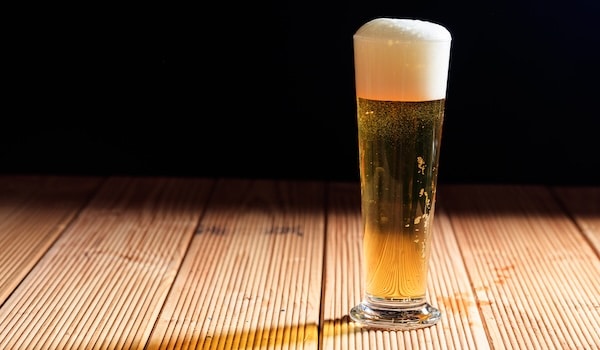
- Serving: Traditional Becher glass (200ml), very fresh
Altbier vs Kölsch: The Great German Rivalry
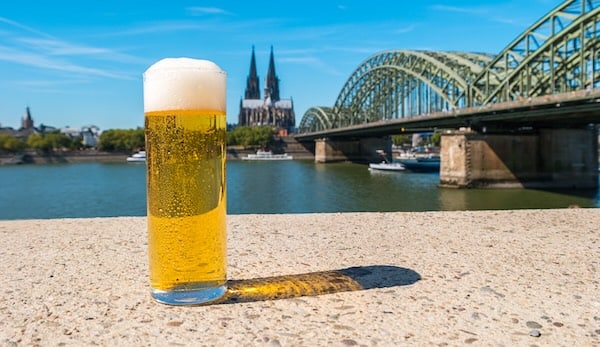
Düsseldorf and Cologne are 45 kilometers apart and have been making fun of each other’s beer for about as long as both cities have existed. Kölsch is Cologne’s ale — light, golden, delicate, barely bitter. Altbier is Düsseldorf’s answer — dark, malty, assertively bitter. Both are German ales cold-conditioned after fermentation. Both are served in small glasses by staff who will quietly replace your empty before you ask. That’s roughly where the similarities end.
Order a Kölsch in Düsseldorf and you’ll get a look. Order an Altbier in Cologne and the same thing happens. This is not mere friendly rivalry — it runs deep, and locals take it seriously. The beers reflect the cities: Cologne is more tourist-friendly, Düsseldorf is more working-class proud. Whether that maps onto the beer is for you to decide.
The Best Altbier Beers to Try
Fresh, draft Altbier poured straight from a tank at one of the Düsseldorf brewpubs is the ideal — nothing comes close. But there are excellent bottled and canned versions to seek out, including solid American interpretations.
- Zum Uerige Altbier — The most famous of the Düsseldorf brewpubs. The beer is copper-brown, very bitter for the style (around 50 IBU), and totally refreshing. If you’re in Germany, you’ll find it in bottles too.
- Füchschen Alt — Another Altstadt classic, slightly less bitter than Uerige with a fuller, rounder malt character. Excellent food beer.
- Diebels Alt — The most widely distributed commercial Altbier, available across Germany and in some US import sections. It’s a softer, more approachable version of the style — less bitter, more mainstream. A good introduction.
- Alaskan Amber — One of the most respected American takes on the Altbier style. Brewed in Juneau, Alaska since 1986. Smooth, caramel-malt forward, with a clean, well-balanced bitterness. Widely available across the US.
- Otter Creek Copper Ale — Vermont’s interpretation, a little lighter in color but still showing that characteristic clean, bitter, malt-driven profile. Worth seeking out if you’re on the East Coast.
If you want to go deeper on how bitterness and malt balance each other in beer, Altbier is one of the most instructive styles to taste. The interplay is unusually clear.
What Food Pairs With Altbier?
The firm bitterness and malt richness make Altbier one of the more food-friendly German beers. It can handle flavors that would overwhelm a delicate lager.
- Sauerbraten — The classic Rhineland pot roast. The vinegar tang and rich gravy meet the malt sweetness and bitterness perfectly.
- Grilled pork or braised meats — The caramelized, savory notes love a firm bitter beer alongside them.
- Strong hard cheeses — Aged Gouda, Gruyère, or even a sharp cheddar work well.
- Dark bread and charcuterie — Simple but excellent. The bready malt and hop bitterness are made for smoked meats and rye.
- Chocolate desserts — The light chocolate note in the beer plays off bittersweet chocolate surprisingly well.
Frequently Asked Questions (FAQ)
What does altbier mean in German?
Altbier means “old beer” in German — specifically referring to the old-style top-fermented brewing method using ale yeast, which predates the lager revolution that swept Germany in the 19th century. Düsseldorf kept the tradition alive while most of the rest of Germany switched to lager production.
Is altbier a lager or ale?
Altbier is technically an ale — it’s fermented with top-fermenting ale yeast, not lager yeast. However, it undergoes cold-conditioning after fermentation, similar to a lager, which gives it an unusually clean and smooth character. It’s often described as a hybrid between ale and lager in terms of its drinking profile.
What is altbier similar to?
Altbier is most similar to Kölsch in that both are German ales cold-conditioned like lagers — but they’re very different beers. Altbier is darker, maltier, and significantly more bitter than the light, delicate Kölsch. It also shares some character with English brown ales and Munich Dunkel, though it’s cleaner and more bitter than both.
Where is altbier brewed?
Altbier is strongly associated with Düsseldorf, Germany, where several historic brewpubs in the Altstadt (old town) have been brewing and serving it for generations. Unlike Kölsch — which has protected geographical designation and can only be called Kölsch if brewed in Cologne — Altbier has no such legal protection, so it’s brewed worldwide. American craft breweries have produced excellent examples.
How bitter is altbier compared to other German beers?
Altbier is noticeably more bitter than most German styles. Its IBU range of 25–50 puts it well above Märzen (18–24 IBU), Helles (16–22 IBU), or Munich Dunkel (16–25 IBU). The bitterness is clean and firm rather than harsh, which is why Altbier drinkers often describe it as refreshing despite the bite.
Join the Craft Beer Me Community
Altbier is one of those styles that sneaks up on you — one sip and you understand why Düsseldorf never switched to lager. If you want more German beer deep dives, check out the German beer types guide to see the full picture. And come join the conversation in our Craft Beer Me Facebook group, where the beer nerds are always talking styles. Sign up for our newsletter at the bottom of the page for more style guides and brewery picks.
Sign Up for Our Newsletter