This article may contain affiliate links. If you click them, we may earn a small commission at no extra cost to you.
Belgian beer is the most diverse brewing tradition in the world — spanning tart lambics, spontaneously fermented gueuze, powerful Trappist quadrupels, and cloudy witbiers. No other country produces such a wide range of distinct styles, each shaped by centuries of monastic brewing, farmhouse tradition, and an obsessive commitment to flavor over simplicity.
Before American craft beer took off, adventurous drinkers had to rely on dusty import bottles and rare draft lines. Guinness and German lagers dominated the shelves. But the real beer nerds knew where to look — those Belgian ales tucked away on the corner shelf were where the most interesting drinking experiences were found. That’s still true today.
With all due respect to Czech and German lagers, the Belgian brewing landscape is far more vibrant. From malty Trappist ales to tart lambics, the flavor range is unlike anything else in beer. The history is equally fascinating — brewers here, many of them clergymen, dug further down the rabbit hole than their European counterparts, using wild yeasts, unusual spice additions, and open fermentation vessels that other traditions never would have allowed. Belgium’s contributions to brewing are so significant they’ve earned UNESCO recognition as part of the country’s cultural heritage.
And while classic Belgian imports are still widely available, finding truly great examples — imported or Belgian-inspired — isn’t always straightforward. If you want practical guidance on the best way to find great-tasting craft beer, including standout Belgian styles, check out this article: The Best Way to Find Great-Tasting Craft Beer.
What Makes Belgian Beer Unique?
Centuries of Brewing History
The people of Flanders and the surrounding region that now make up Belgium have been making beer since the Middle Ages. For much of Belgian brewing history, the industry was dominated by Trappist monks and countryside communities making tiny batches of special beers that reflected their location and culture.
These clergymen were nothing if not dedicated to their craft, as they refined brewing techniques to produce Trappist and abbey ales that were far more nuanced than what was standard at the time. Over the next few centuries, Belgian brewers developed diverse styles like dubbels, tripels, lambics, saisons, and witbiers.
Using unique yeasts and local ingredients banned in other traditions, Belgian brewers embraced creativity and complexity that no other brewing tradition had managed at that point. To some extent, you could say these monks treated beer more like wine.
Traditional Methods and Ingredients
- Bottle conditioning and carbonation: In Trappist ales, dubbels, tripels, and saisons, sugar and yeast are added before bottling to create natural carbonation. This produces finer bubbles and adds aging potential.
- Special yeast strains: Belgian yeasts tend to ferment at warmer temperatures (68–85°F / 20–29°C), which results in fruity esters and spicy phenols. Belgian yeast contributes clove, banana, pepper, and bubblegum flavors, which are hallmarks of Belgian beers.
- Open fermentation: Monks and farmers will utilize wild and airborne yeasts rather than cultivated strains by cooling the wort in open vessels (coolships) to expose it to natural microflora. The beers are then aged in oak barrels (especially Lambic, Gueuze, and Kriek) to take on funky, tart, complex flavors.
- Unique spices and herb additions: While the Germans confined their brewing traditions through their Reinheitsgebot law, Belgian brewers traditionally added ingredients like coriander, orange peel, candi sugar, and herbs to spice things up!
- Addition of candi sugar: Candi sugar (derived from beets) is added to lighten the body while increasing alcohol and maintaining dryness.
- Blending and aging: Because of the yeast strains and alcohol content of certain Belgian beers, you can allow styles like Geuze, Lambic, and Trappist ales to mellow out over time. Some brewers blend fresh and aged beers for added nuance.
Popular Belgian Beer Styles (And What to Expect)
Trappist Ales
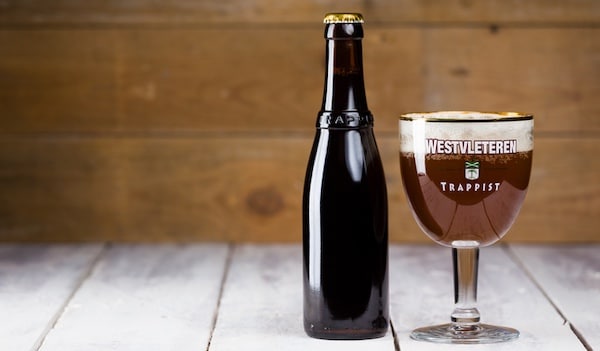
Brewed by monks at monasteries, these ales are typically strong and undergo bottle conditioning. Trappist ales must always follow strict criteria, including being brewed in a monastery under the supervision of monks, and the proceeds must go to charity.
Sub-styles: Dubbel, Tripel, Quadrupel
Characteristics: Malt-forward, spicy, and effervescent, with a range from dry to sweet
ABV: 6%–11.5%
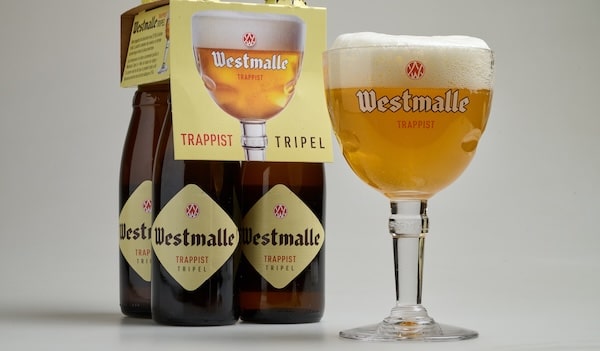
Famous breweries: Westmalle, Chimay
The label carries real legal weight — according to the International Trappist Association, only 15 monasteries worldwide are currently certified to use it, and each brews to an entirely different house style. Westmalle’s Tripel is the blueprint most modern tripels follow; Chimay’s range spans from a soft, approachable dubbel to a deep, complex quad that rewards cellaring. These aren’t marketing terms. They’re protected designations with genuine meaning behind them.
Lambics & Gueuze
These beers are spontaneously fermented in coolship containers with naturally occurring yeast strains unique to the brewery’s location. Many are aged in oak barrels and undergo secondary fermentation.
Sub-styles: Lambic, Kriek, Framboise, Gueuze
Characteristics: Tart, funky, often fruit-infused
ABV Range: 3.5%–6%
Breweries: Cantillon, Boon
Spontaneous fermentation is the key distinction — no cultivated yeast is added at all. The wort is left open overnight in shallow coolships, exposed to wild microorganisms specific to the Senne Valley around Brussels. That’s why authentic Lambic can only be produced in that region, and why it tastes like nothing else in beer. The funk, the tartness, the complexity — it’s all geography.
Saison (Farmhouse Ale)
Saisons are floral, peppery, and fruity with a rustic, sometimes funky character that finishes dry. Some malt sweetness may be present, but expressive yeast strains dominate the flavor.
Breweries: Saison Dupont, Brasserie de Blaugies
ABV: 4.5%–7%
Originally brewed by Belgian farmers during winter for consumption in the summer harvest season, saison was designed for hard-working people in hot conditions — sessionable, thirst-quenching, and complex enough to actually be interesting. The dry, peppery finish is the yeast’s doing, and it pairs brilliantly with food in a way most lagers can’t manage. If you want to brew your own, our saison beer recipe walks you through the full process.
Belgian Blond & Golden Ales
Balanced and light-bodied yet strong in alcohol, these beers feature fruity-spicy yeast character, malt sweetness, and subtle hops. High carbonation is typical.
Try: Leffe Blond, Duvel, Affligem, La Chouffe
ABV Range: 6%–8.5%
The alcohol is deceptive — these beers drink lighter than their ABV suggests, which is exactly the point and exactly the danger. A Belgian Strong Golden Ale like Duval is 8.5% ABV but pours pale gold and goes down like a 5% lager. It’s one of the most technically accomplished beers in the world. La Chouffe adds a honey-spiced twist with its signature gnome branding and slightly sweeter malt profile.
Witbier (White Beer)
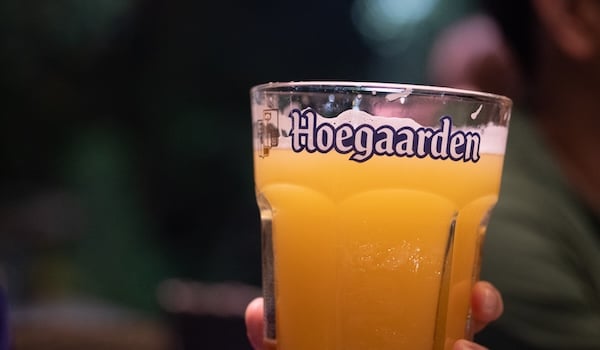
Made with wheat, orange peel, and coriander, Witbier is light, cloudy, and citrusy with subtle spice and little hop bitterness.
Try: Hoegaarden, St. Bernardus Wit, Blanche de Bruxelles
ABV: 4.5%–5.5%
The style nearly died out entirely in the 1950s before Pierre Celis revived it in his garage in Hoegaarden in 1966 — one of the great rescue stories in brewing history. Today it’s one of Belgium’s most exported styles and the natural starting point for most people’s journey into Belgian beer. It’s approachable, food-friendly, and genuinely refreshing in a way that other Belgian styles aren’t always designed to be.
Where to Buy Belgian-Style American Craft Beers
Belgian-style beers brewed by American craft breweries can be surprisingly hard to track down. Many saisons, witbiers, farmhouse ales, and Abbey-inspired beers are released in small batches or seasonally, which means they don’t always make it to standard retail shelves.
Buying direct from the brewery is often the best way to find fresh, Belgian-inspired American beers, but you’re limited by what’s available locally and what’s currently being brewed. Bottle shops offer convenience, but selection and freshness can be inconsistent—especially for yeast-driven or niche styles.
Online Beer Subscriptions
For most drinkers, online craft beer subscriptions are the easiest and most effective way to explore Belgian-style American craft beers. These are the two most popular and best options:
- BeerDrop stands out because it’s fully customizable. You can browse by style, focus on Belgian-inspired beers, and swap out selections you’re not interested in—making it far easier to discover saisons, witbiers, and farmhouse ales without buying blind. Check out current Beer Drop subscription options here and use the Code BEERDROP10 to Save $10 off your first order.
- Original Craft Beer Club is a more traditional option with curated selections sent to you, but it offers less flexibility if you’re specifically trying to explore Belgian-style beers
10 Must-Try Belgian Beer Brands
- Chimay Blue – Rich and dark with plum and caramel hints; one of the most balanced Trappist ales. Brewed at Scourmont Abbey since 1948, it develops beautifully over time — buy two and cellar one for a year to taste the difference.
- Rochefort 10 – A strong (11.3% ABV) winter warmer with notes of raisin, fig, and spice. One of the most complex beers in the world and genuinely hard to find. Worth hunting down every time you see it.
- Saison Dupont – Iconic farmhouse ale with lovely spice, floral notes, and a dry finish. The reference standard for the entire style — most American saisons are trying to be this beer.
- Duvel – A dangerously drinkable golden ale with floral aromas, light bitterness, and a dry finish. At 8.5% ABV it pours like a lager and disappears like one too. You’ve been warned.
- Lindemans Framboise – A tart yet drinkable raspberry lambic. The accessible entry point to the lambic family — sweeter than traditional gueuze and an easy sell for anyone who thinks they don’t like sour beer.
- Orval – Dry, funky, and bitter—an unmistakably unique pale ale. Brewed with Brettanomyces that keeps developing in the bottle, meaning fresh Orval and a three-year-old bottle taste like completely different beers.
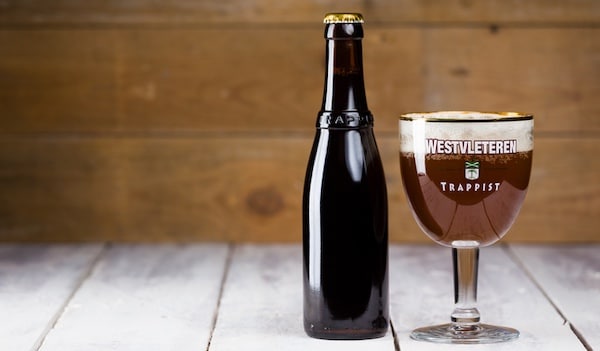
- Westvleteren 12 – Known as one of the world’s best beers, rich, subtle, and nearly mythical in status. Available only from the Saint Sixtus Abbey gift shop or rare online releases. If you find it, buy it without hesitation.
- St. Bernardus Abt 12 – A robust 10% Trappist Quad with spice, malt complexity, and consistent quality. Brewed to the original Westvleteren recipe under license and far easier to find — and arguably just as good.
- Fantôme Saison – Bubbly like champagne but bursting with citrus flavor and aroma. Made by a one-man operation in Soy, Belgium, where every batch varies slightly. That unpredictability is part of the charm.
- Duchesse de Bourgogne – A Flanders red ale matured in oak, offering sour fruit, vinegar, and spice notes. The perfect introduction to Flemish reds — bold enough to be interesting, balanced enough not to scare off newcomers.
Belgian Beer Glassware & How to Drink It
Proper glassware enhances aroma, carbonation, and presentation. Here are the key styles:
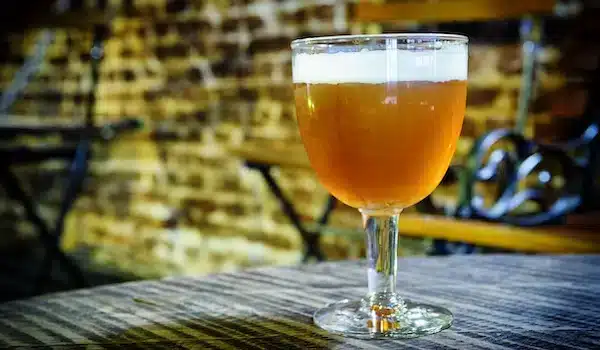
- Tulip Glass: Great for Tripels, Saisons, Blond Ales, and Sours. Captures floral aromas.
- Chalice or Goblet: Perfect for heavy, carbonated Trappist ales. Regal and traditional.
- Flute: Best for Lambics and Gueuze; showcases bubbles and colors.
- Tumbler: Ideal for Witbiers; allows heavy carbonation to settle and aromas to rise.
Belgian Beer and Food Pairings
| Beer Style | Food Pairing |
|---|---|
| Dubbel | Beef stew (Carbonnade Flamande) |
| Witbier | Mussels, goat cheese, citrus salad |
| Saison | Roasted chicken, grilled vegetables |
| Lambic (Kriek) | Chocolate cake, duck breast |
| Tripel | Brie, roast pork, spicy Asian dishes |
FAQs About Belgian Beer
Why is Belgian beer so strong?
It depends on the style. Dubbels, Tripels, and Quads use added sugars and strong yeast strains, often undergoing bottle conditioning. However, many styles like Saison and Lambics are low in alcohol.
What does “Trappist” really mean?
It refers to beer brewed by monks within a Trappist abbey. It must meet legal criteria, including on-site brewing under monastic supervision, and proceeds going to charity.
What’s the difference between dubbel and tripel?
Dubbels are medium-bodied with caramel malts, while Tripels use lighter malts for a lighter body. Both use candi sugar to boost alcohol and create a dry finish.
Can I cellar Belgian beer?
Yes. Styles like Lambic, Gueuze, Flanders Red, and Trappist beers age well and develop complexity over time.
Where can I buy authentic Belgian beer?
Specialty bottle shops or craft beer stores often carry imported Belgian options.
Conclusion
Belgium’s beers are some of, if not the world’s most fascinating. There’s a reason your local craft brewer who churns out IPAs reveres these brands above all others. There’s a lot to explore, so make sure to do your research. Let us know what brands we should be seeking out in the comments—and enjoy these boozy Quads and Tripels responsibly!
Sign Up for Our Newsletter