
Belgian tripel is a pale, bottle-conditioned strong ale brewed primarily by Belgian abbey and Trappist breweries, typically ranging from 7.5–9.5% ABV. It’s golden in color, highly carbonated, and deceptively strong — the sweet, spicy yeast character and soft malt base make it dangerously easy to drink for something that can push 9%. The style is defined by its yeast profile above almost everything else.
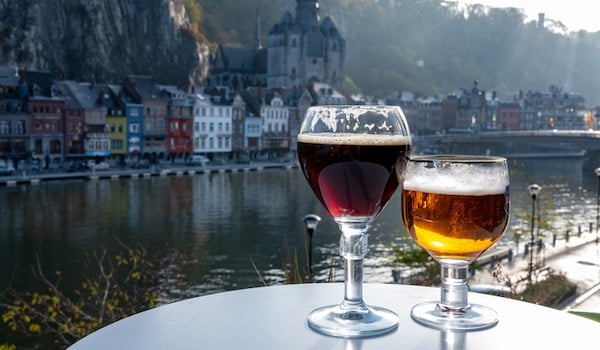
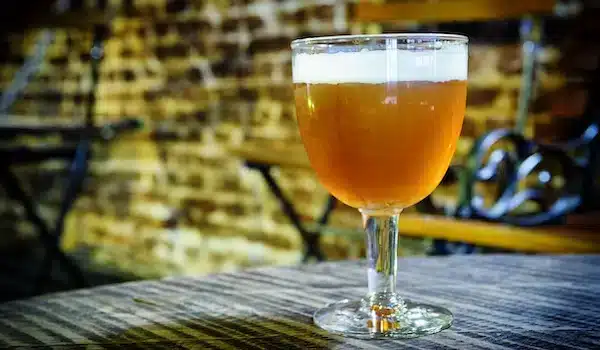
Don’t let the pale color fool you. A tripel isn’t a pale ale or a lager. It’s one of the most complex beer styles in the world, and it rewards slow drinking with food, conversation, and a proper glass — ideally the tulip or chalice the brewery designed specifically for it.
Where Does the Name Come From?
The numbering system — single, dubbel, tripel — originally referred to the strength of the beer, marked on barrels by one, two, or three X’s or crosses. A tripel was simply the strongest version a brewery made. The practice dates back to medieval monastic brewing, though the modern tripel style as we know it was largely defined by Westmalle Abbey in Belgium in the 1930s.
Westmalle Tripel, first produced in its modern form in the 1930s, is the archetype that most other tripels are measured against. Most Belgian and international breweries producing the style are at least partially referencing what Westmalle established. You can taste their influence in almost every tripel brewed today.
What Does a Belgian Tripel Taste Like?
The first thing you notice is the yeast. According to the BJCP Belgian Tripel style guidelines, the defining fermentation character comes from spicy, peppery phenols and citrus esters — and once you know what you’re tasting, you can’t un-hear it. Belgian tripel yeast strains produce a distinctive character — fruity esters (banana, pear, orange peel) alongside spicy phenols (clove, pepper, anise) that make the beer taste almost spiced without any actual spice added. That combination, balanced against a soft, sweet malt backbone and very low bitterness, is what defines the style.
The malt is pale and clean — no dark caramel or toffee notes like you’d find in a dubbel. The sweetness is there but light, often supplemented with candi sugar to boost fermentability without adding body. The result is a beer that’s drier than you’d expect given the sweetness on the nose.
Carbonation is high, which gives the beer a lively, almost champagne-like effervescence. The mouthfeel is medium-bodied — not heavy despite the ABV. And the finish? Clean and dry, with a gentle warmth from the alcohol that develops as it warms in the glass. Sneaky strong doesn’t cover it — a tripel drunk cold from the bottle is a different experience from one served at 50°F in a proper glass.
For context on where tripel sits within the broader Belgian brewing tradition, our guide to Belgian beer styles covers the full picture.
The Best Belgian Tripels to Try
- Westmalle Tripel (Belgium, 9.5%) — The original and, for many, still the best. Fruity and spicy on the nose, complex on the palate, and bone dry on the finish. Bottle-conditioned with a yeast sediment that adds flavor and complexity. If you try one tripel, make it this one.
- Chimay White / Cinq Cents (Belgium, 8.0%) — Brewed by the Chimay Trappist monastery. Slightly lower ABV than Westmalle, with a more approachable character — orange peel, coriander-like spice, and a clean finish. Widely available in the US.
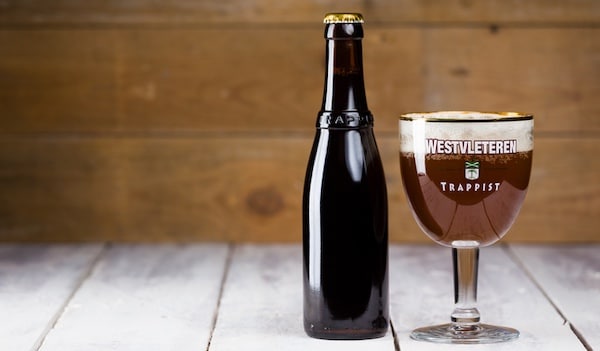
- St. Bernardus Tripel (Belgium, 8.0%) — Brewed by the secular St. Bernardus brewery using the same yeast strain as Westvleteren (one of the rarest beers in the world). Beautifully balanced, with rich fruit and a soft malt character that makes it one of the most drinkable tripels available.
- Unibroue La Fin du Monde (Quebec, 9.0%) — The best North American tripel and one of the best versions of the style produced outside Belgium. Spicy, complex, and genuinely excellent. Widely available across North America and surprisingly easy to find.
- Victory Golden Monkey (Pennsylvania, 9.5%) — A well-made American interpretation. More accessible than the Belgian classics, with a slightly sweeter character that works well for those new to the style.
- Allagash Tripel (Maine, 9.0%) — Another strong American example. Clean, dry, and well-carbonated with good yeast character. Allagash is one of the best Belgian-inspired breweries in the US.
How to Serve a Belgian Tripel
Serving temperature matters more with tripel than almost any other style. Too cold and the complexity disappears — you’re left with boozy carbonation and not much else. The sweet spot is 45–50°F: cold enough to be refreshing, warm enough for the yeast esters and phenols to come through clearly.
Use a chalice, tulip, or the goblet the brewery provides if you have one. These shapes concentrate the aroma and maintain the head, both of which are part of the drinking experience. Don’t use a pint glass.
For bottle-conditioned tripels — most traditional Belgian versions — pour carefully. Leave the last half-inch in the bottle unless you want yeast sediment in your glass. Some drinkers add it deliberately for extra flavor and probiotic character; most don’t. Your call.
Belgian Tripel vs Dubbel: What’s the Difference?
Tripel is pale, dry, and high-ABV — driven by fruity and spicy yeast character over a light malt base. Dubbel is dark brown, richer, and typically lower in ABV (6–8%), with flavors of dark fruit, caramel, chocolate, and a fuller body. Both are Belgian abbey ales brewed with similar yeast strains, but the different malt bills produce completely different results.
If you prefer lighter, drier, more effervescent beers, tripel is the call. If you want something darker, richer, and more warming, go dubbel. Many people eventually love both.
Belgian Tripel FAQ
How strong is a Belgian tripel?
Most Belgian tripels sit between 7.5–9.5% ABV. Westmalle Tripel is 9.5%; Chimay White is 8%; La Fin du Monde is 9%. The style is defined by higher alcohol content, though the clean fermentation and dry finish mean the strength isn’t always obvious until you’ve had a couple of glasses.
What is the difference between a tripel and an IPA?
Completely different styles. A tripel is a Belgian strong ale defined by yeast character — fruity, spicy, dry — with very low hop bitterness. An IPA is defined by hop character — bitter, aromatic, and resinous or tropical, depending on the variety. Similar ABV range, completely different flavor profiles. If you love hoppy beers, a tripel might surprise you with how malt and yeast-forward it is.
Is Belgian tripel the same as a Trappist beer?
Not exactly. Trappist beer refers to beer brewed within the walls of a Trappist monastery under monk supervision — a protected designation. Not all tripels are Trappist; Westmalle and Chimay are, but Unibroue and Victory are not. Tripel is a style; Trappist is an origin designation. Many excellent tripels come from secular breweries.
What food pairs with Belgian tripel?
Tripel pairs well with rich, fatty foods that need something dry and effervescent to cut through them. Mussels in white wine, grilled chicken, soft washed-rind cheeses, and spiced dishes work particularly well. The fruity yeast character also pairs nicely with lighter desserts — fruit tarts and crème brûlée are classic Belgian pairings.
Join the Craft Beer Me Community
Into Belgian ales? Come share your favorites — and argue about whether Westmalle really is the best — in the Craft Beer Me Facebook group. Sign up for the Craft Beer Me newsletter at the bottom of the page for more style guides, picks, and brewing deep dives.
Sign Up for Our Newsletter