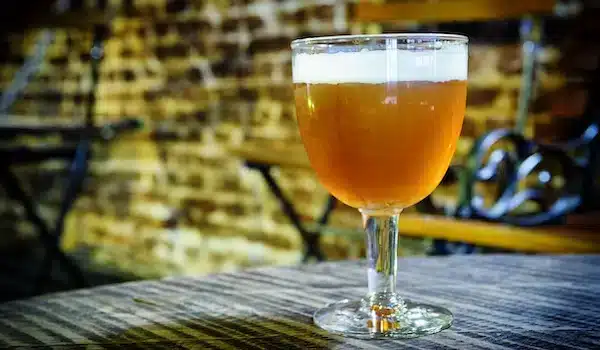
Belgian saison is the beer that professional brewers drink when they want something interesting. It’s dry, it’s spicy, it’s fruity — and for most of its history it was a humble farmhouse ale brewed for agricultural workers to drink during the harvest. Somewhere between that origin and now, it became one of craft beer’s most celebrated and widely imitated styles.
A Belgian saison is a pale to golden, top-fermented farmhouse ale with a distinctively spicy and fruity yeast character, typically finishing dry with moderate to high carbonation. ABV usually ranges from 5–8%, though stronger versions exist. The defining feature isn’t the grain bill or the hops — it’s the yeast. Saison yeast strains produce a complex blend of pepper, citrus, and floral esters that give the style its signature character.
It’s also one of the most flexible styles in craft brewing, which is why modern brewers love it. Saison is a canvas — brewers add spices, fruit, herbs, and unusual hops, and the style absorbs it all. But at its core, a classic Belgian saison is simpler and more specific than it might look. Here’s what you actually need to know.
What Does Saison Beer Taste Like?
Saison has one of the most distinctive flavor profiles in beer — and one of the hardest to describe to someone who hasn’t tried it. The yeast does most of the work, producing a combination of spicy phenols (black pepper, clove) and fruity esters (orange peel, lemon, stone fruit) that you don’t find in most other beer styles. Underneath all that yeast character is a dry, lightly bready malt base and a moderate hop presence that’s often earthy or herbal.
The finish is almost always dry — sometimes intensely so — with high carbonation that adds a lively, prickly quality. It’s not a heavy beer despite all that character. The dryness and carbonation keep it refreshing, which is exactly what you’d want if you were, say, harvesting crops in the Belgian countryside and needed something that wouldn’t put you to sleep.
Typical saison specs:
- ABV: 5–8% (traditional farmhouse versions often 3.5–5%)
- IBU: 20–35
- Color: Pale gold to light amber, often slightly hazy
- Carbonation: High — usually bottle-conditioned
- Yeast character: Spicy, fruity, peppery — very prominent
The History of Saison: From Farmhouse to Craft Beer Darling
Saison — the word means “season” in French — originated in the Wallonia region of southern Belgium, where French is the dominant language. Farmers brewed it in the winter months using whatever grain they had available, then stored it to be served to seasonal farm workers (saisonniers) during the summer harvest. It was practical, thirst-quenching, and low enough in alcohol that workers could drink it through a long day without losing their footing.
The BJCP classifies saison as a pale, highly-attenuated, dry Belgian ale with fruity, spicy yeast character — a definition that captures the essence while leaving plenty of room for the variation you find in the wild. By the mid-20th century, the style had nearly disappeared. The rise of industrial lager production made farmhouse ales seem old-fashioned, and most Belgian breweries producing saison had either closed or shifted to other styles. The exception — and it’s a big one — was Brasserie Dupont. Their Saison Dupont, first brewed in the 1920s, survived and became the benchmark against which every modern saison is measured.
American craft brewers discovered saison in the late 1990s and early 2000s, and the style exploded from there. Today, almost every craft brewery in the US has brewed a saison or farmhouse ale at some point. The broader tradition of Belgian beer that saison comes from has been enormously influential on craft brewing worldwide — saison is just one expression of that influence.
Saison vs. Farmhouse Ale: What’s the Difference?
Technically, “farmhouse ale” is the broader category and “saison” is a specific style within it. In practice, American brewers use the terms interchangeably so often that the distinction has blurred almost completely. If a beer is labeled “farmhouse ale,” assume it’s a saison or something close to it.
The farmhouse umbrella also includes Bière de Garde — a French farmhouse style that tends to be maltier and less dry than Belgian saison — and other regional interpretations. But in a craft beer context, when someone says “farmhouse ale,” they almost certainly mean something in the saison family: pale, dry, yeast-forward, and highly carbonated.
The Best Saison Beers to Try
The range within the saison category is enormous — from restrained Belgian classics to wildly experimental American takes. These are the ones worth finding first.
Saison Dupont
This is the OG — the beer every saison gets measured against. Brewed at Brasserie Dupont in Tourpes, Belgium since 1920, Saison Dupont is everything the style should be: golden, hazy, peppery, citrusy, bone dry, and intensely carbonated. At 6.5% ABV, it has more strength than the old farmhouse versions but carries it well. If you want to understand what saison is supposed to taste like, start here. Full stop.
Birra del Borgo ReAle Extra
An Italian take on the style that’s worth hunting down. ReAle Extra blends American hop character with Belgian saison yeast — citrus and tropical fruit from the hops, spice and earth from the yeast — in a way that shouldn’t work as well as it does. It’s one of those bottles that makes you realize how flexible the saison template really is.
Ommegang Hennepin
Brewery Ommegang in Cooperstown, New York is one of the American breweries that’s always done Belgian styles the right way, and Hennepin is their saison. Dry, spicy, with citrus and a clean bitterness that keeps it from feeling too estery. At 7.7% ABV, it’s on the stronger end, but it drinks lighter than that number suggests — genuinely sneaky strong. Widely available and consistently excellent.
Funkwerks Saison
Fort Collins, Colorado-based Funkwerks built its reputation almost entirely on this one beer, and it’s easy to see why. Their Saison is a near-perfect American interpretation — bright, peppery, tropical-fruity, and dry in the finish. It won a gold medal at the Great American Beer Festival and is one of the most cited examples of American saison done right. If you’re in Colorado, make it a point to visit the taproom.
Boulevard Tank 7 Farmhouse Ale
Kansas City’s Boulevard Brewing produces one of the most popular American farmhouse ales around. Tank 7 is drier and more carbonated than most, with a persistent white head and a yeast character that leans toward grapefruit and pepper. At 8.5% ABV, it’s a genuinely strong saison, but the carbonation and dryness keep it from feeling heavy. A bottle shop staple across most of the US.
If you want to try brewing your own, there’s a solid saison beer recipe on CBM that covers the full process — including yeast selection, which matters more in this style than almost any other. Saison yeast is the beating heart of the beer.
How to Serve Saison Beer
The right glass makes a real difference with saison. A tulip glass — the kind that flares out at the top — concentrates the yeast-driven aromas and holds the carbonation in check. You can also use a goblet or a wide-mouthed chalice. Avoid a standard pint glass; the carbonation will escape too fast, and you’ll miss half the aroma.
Serve at 45–55°F — warmer than you’d serve most beers. Saison’s flavor complexity needs a bit of warmth to fully open up; serving it too cold mutes the yeast character that makes the style interesting. If it comes out of the fridge, let it sit for five minutes before pouring.
For food pairings, saison is genuinely one of the most versatile beers you can put on a table. The dry, spicy, high-carbonation profile makes it excellent with:
- Shellfish and seafood — especially mussels (very traditional Belgian pairing)
- Roast chicken or pork with herbs
- Aged and semi-hard cheeses (Gruyère, aged cheddar, Manchego)
- Spiced dishes — Thai, Indian, North African cuisines all work well
- Light salads with vinaigrette
Saison and mussels is one of those pairings that seems almost too obvious once you’ve tried it. The beer’s carbonation and dryness cut right through the briny, buttery richness of the mussels, and the spice in the yeast echoes any herbs in the broth. Classic for a reason.
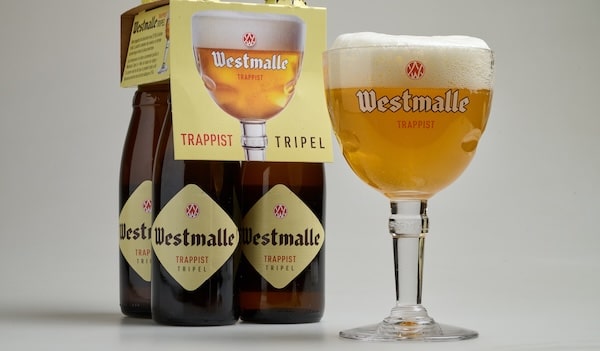
Saison is also closely related to Belgian tripel in terms of its ancestry and yeast character — if you like one, you’ll almost certainly find something to love in the other. Both reward the kind of drinker who wants more from their beer than just cold and wet.
Frequently Asked Questions (FAQ)
What does saison beer taste like?
Saison has a distinctive spicy, fruity character from its Belgian yeast — think black pepper, clove, citrus peel, and sometimes stone fruit. It finishes dry with high carbonation, and the malt base is subtle and lightly bready. It’s complex without being heavy, which is part of why the style has attracted so many fans in the craft beer world.
Is saison an IPA?
No — saison and IPA are completely different styles. IPA is defined by heavy hop character (bitterness, aroma, flavor), while saison’s character comes primarily from its yeast. Saison typically has moderate bitterness, not the aggressive hop presence of an IPA. Both are top-fermented ales, but the similarities end there.
Is saison beer strong?
Traditional farmhouse saisons were low in alcohol — sometimes 3.5–5% — because they were brewed to be consumed by workers during a long harvest day. Modern craft saisons tend to run 5–8% ABV, with some stronger examples (Tank 7, Ommegang Hennepin) pushing 8.5%. The dryness and carbonation often make them drink lighter than their ABV suggests.
What’s the difference between saison and witbier?
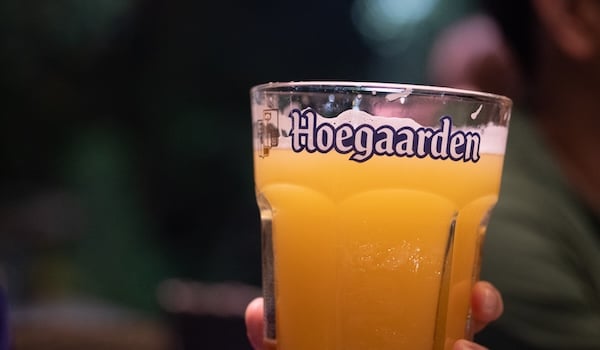
Both are Belgian pale ales with notable yeast character, but they’re distinct styles. Witbier (Belgian white beer) is brewed with a significant wheat addition and is typically spiced with coriander and orange peel — softer, cloudier, and more overtly citrusy. Saison uses predominantly barley malt, is drier and spicier, and gets its fruit and spice from the yeast rather than added ingredients. Hoegaarden is a witbier; Saison Dupont is a saison.
Can you brew saison at home?
Yes — and it’s one of the more forgiving homebrewing styles, partly because saison yeast performs well at higher fermentation temperatures. In fact, letting fermentation run warm (75–85°F) actually enhances the spicy, fruity yeast character. Yeast selection is the single most important decision in a saison recipe. Wyeast 3724 (Belgian Saison) and White Labs WLP565 are both excellent starting points.
Join the Craft Beer Me Community
If saison just made it onto your must-drink list, you’ll fit right in with us. The Craft Beer Me Facebook group is where beer nerds talk styles, swap recommendations, and share what’s in the glass this week. And for the latest guides, brewery profiles, and homebrewing content, sign up for the Craft Beer Me newsletter at the bottom of the page.
Sign Up for Our Newsletter