Golden ale is one of craft beer’s most welcoming styles — pale, clean, easy-drinking, and more interesting than it gets credit for. It sits in that sweet spot between a light lager and a full-flavored pale ale: enough malt character to be satisfying, gentle enough on the hops that it won’t scare off newcomers. If you’ve handed a Kona Big Wave to a macro beer drinker and watched them ask for another, you already know what golden ale is capable of.
At its core, a golden ale is a pale-colored ale brewed with a clean malt base and restrained hopping, typically landing between 4–6% ABV. It’s light in body, bright in appearance, and drinks easily without demanding a lot from the person holding the glass. The style goes by several names — blonde ale, blond ale, golden beer — but they’re all pointing at the same thing: a pale ale made for approachability.
That said, “golden ale” isn’t just one thing. The American blonde, the English golden ale, and the Belgian golden strong are all technically golden ales — and they’re wildly different beers. Here’s what you need to know about all three, plus the best bottles and cans worth tracking down.
What Does Golden Ale Taste Like?
The short answer: think clean malt, light body, and just enough hops to keep things interesting without demanding your full attention. Most golden ales lead with a slightly bready or grainy sweetness from the pale malt, a touch of floral or citrusy hop aroma, and a finish that’s dry rather than lingering. They’re not trying to be complex — that’s the whole point.
American blonde ales tend to be the lightest and most neutral of the bunch, dialing back both malt sweetness and bitterness to produce something approachable almost to a fault. English golden ales add a bit more hop character — often earthy and floral from traditional British varieties — while Belgian golden ales go in a completely different direction: spicy, fruity, and often surprisingly strong. More on that in a moment.
In terms of bitterness, golden ales typically sit between 15–30 IBU — low enough that even people who claim to hate bitter beer rarely have an issue. The color runs from straw to light gold, the carbonation is usually medium-high, and the mouthfeel is light to medium at most. These are warm-weather beers, patio beers, the beers you grab when you just want something cold and good.
The Main Styles of Golden Ale
The umbrella is bigger than most people realize. “Golden ale” covers a range of distinct styles that share a color palette but not much else. Here’s how they break down.
American Blonde Ale
This is what most American craft beer drinkers picture when they hear “golden ale.” The American blonde — sometimes called American golden ale — is clean, light, and built for easy drinking. Pale malt forms the backbone, with minimal specialty grain additions, and the hopping is restrained: just enough for balance, not enough to announce itself. ABV usually falls between 4–5.5%.
It’s one of the most popular gateway styles in craft beer, and for good reason. A well-made American blonde is the bridge between macro lager territory and the broader world of craft ales. As CraftBeer.com describes it, the style is “known for its simplicity” — which is a feature, not a criticism. It rewards the curious without punishing the cautious.
English Golden Ale
English golden ales emerged in the 1980s and 90s as British brewers tried to win back drinkers who’d drifted toward light continental lagers. The BJCP credits Hop Back’s Summer Lightning, first brewed in 1986, with getting the style off the ground — a pale, hop-forward ale built to compete with lager on refreshment while still tasting unmistakably British. Low ABV (often 3.8–4.5%), golden in color, and hopped with earthy, floral, or herbal varieties. Brands like Meantime Brewing and a handful of regional UK breweries still turn out excellent examples.
These are proper pub beers — crisp, refreshing, and built to be drunk in rounds rather than savored one at a time. If you want to understand British beer culture beyond bitter and stout, English golden ale is a great place to start alongside the broader world of ales.
Belgian Golden Strong Ale
Here’s where things get interesting — and sneaky strong. Belgian golden strong ales look innocent: pale, crystal clear, with a big white foam head. What they don’t broadcast is that most of them are 7.5–10%+ ABV, with a complex yeast character that delivers spice, fruit, and a warming alcohol presence you don’t feel coming until it’s too late. Duvel is the benchmark, and it’s earned that reputation.
These aren’t session beers — they’re sipping beers. The Belgian brewing tradition produces golden ales with a completely different goal than their American or English counterparts, and understanding the difference is half the fun of digging into Belgian beer culture. Real heads treat Duvel with the same respect they’d give a fine whisky.
The Best Golden Ales to Try Right Now
The golden ale category rewards exploration. Whether you want something crushable on a hot afternoon or a Belgian bottle that deserves a proper glass and your full attention, there’s a golden ale for that moment. These are the ones worth seeking out.
Kona Big Wave Golden Ale
If golden ale had a poster child, it’d be Kona Big Wave. Brewed in Hawaii (and now widely distributed across the US), Big Wave is the definition of an approachable craft beer: tropical-tinged malt, light citrus aroma, clean finish, and 4.4% ABV that makes it as sessionable as they come. It’s the beer you reach for when the sun is out, and the decisions are easy. You’ll find it almost everywhere, and that’s a good thing.
Firestone Walker 805 Blonde Ale
805 is named after the area code for California’s central coast, and it’s become one of the most popular craft blondes in the country for a reason. It’s light, clean, and slightly fruity — a little more character than Big Wave, but still effortlessly drinkable. At 4.7% ABV, it fits into the category of beers you can have on a Wednesday afternoon and not feel bad about. Wildly popular in California; increasingly available everywhere else.
Duvel Belgian Golden Strong Ale
Duvel is the original Belgian golden strong, and it’s still the best. Pours a brilliant pale gold with a thick rocky head that takes a while to settle — which is by design. The nose is fruity and spicy from the Belgian yeast, with a hint of pear and white pepper. The taste is dry, complex, and deceivingly light for a beer sitting at 8.5% ABV. This is the one that turns people into Belgian beer nerds. Pour it into a Duvel tulip glass if you have one.
Golden Road Brewing Mango Cart Wheat Ale
Technically a wheat ale, but its pale golden color, light body, and seriously approachable character put it firmly in this conversation. Mango Cart leans into real mango flavor in a way that’s refreshing rather than artificial — bright, tropical, and juicy without being sweet. At 4% ABV, it’s one of the more crushable options on this list and a reliable crowd-pleaser if you’re buying for a group with mixed beer preferences.
Goose Island 312 Urban Wheat Ale
Another crossover pick — 312 is a golden wheat ale that punches above its price point. Light and hazy with a slightly spicy, lemony finish, it’s the kind of beer that converts lager drinkers without making a fuss about it. Chicago’s most iconic take-home beer, and one that deserves more credit than it gets from the craft snob crowd.
For a deeper look at how golden ales sit within the broader beer landscape, the complete guide to beer types is a solid next step — or the dedicated rundown of blonde ales specifically if you want to go deeper on the American side of the style.
How to Serve Golden Ale
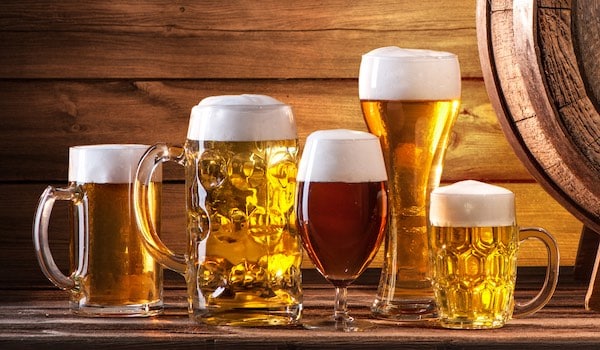
For American blonde and English golden ales, a standard pint glass or tulip works well. Serve cold — around 38–45°F — and pour with a little tilt to keep the carbonation lively without creating a glass full of foam. Belgian golden strongs deserve a wider bowl or tulip glass to open up the aroma, and benefit from being served slightly warmer, around 45–50°F, so the yeast character has room to show itself.
Food pairing is where golden ales really earn their keep. Light malt and low bitterness make them excellent with seafood, mild cheeses, grilled chicken, and anything with lemon or herbs. Duvel and its Belgian relatives can handle richer fare — think mussels, pork dishes, or strong cheese. The common thread is that golden ales rarely overwhelm food, which makes them some of the most kitchen-friendly beers around.
Frequently Asked Questions (FAQ)
What is the difference between golden ale and lager?
The key difference is fermentation. Golden ale is brewed with top-fermenting ale yeast at warmer temperatures, which gives it more complex flavors — even subtle ones — compared to lager. Lagers use bottom-fermenting yeast in the cold, producing a cleaner, crisper profile. Both can look similar in the glass, but they taste distinct once you know what to look for.
Is golden ale sweet or bitter?
Neither, really — which is part of its appeal. Most golden ales are balanced, with a light malt sweetness offset by enough hop bitterness (15–30 IBU) to keep things dry. They’re not hop bombs, and they’re not syrupy, which is why they work so well as a middle ground for drinkers who find IPAs too bitter and standard lagers too thin.
What ABV is a golden ale?
American and English golden ales typically land between 3.8–5.5% ABV — solidly sessionable. Belgian golden strong ales are a different animal: they sit at 7.5–10%+ and are built to be savored, not sunk. If you pick up a bottle without checking the label, that’s the style most likely to surprise you at the end of the night.
What’s the difference between golden ale and blonde ale?
Essentially nothing — they’re the same style with different names. “Blonde ale” is more commonly used in the US craft beer scene, while “golden ale” tends to be the preferred term in the UK and Belgium. Some brewers use both interchangeably on their labels, so don’t get too hung up on the terminology. If it’s pale, clean, and easy-drinking, it’s in the same family.
Is Kona Big Wave a golden ale?
Yes — Kona labels it as a golden ale, and it fits the style well. Light in color, easy-drinking, low bitterness, clean finish, and 4.4% ABV. It’s one of the most widely distributed examples of American golden ale in the country, which is part of why it’s so often used as the reference point for the style.
Join the Craft Beer Me Community
If golden ale just opened a door, there’s a whole world on the other side. Come hang out in the Craft Beer Me Facebook group — it’s where beer nerds swap recommendations, argue about styles, and share what’s in the glass. And if you want style guides, brewery picks, and craft beer deep dives delivered to your inbox, sign up for the Craft Beer Me newsletter at the bottom of the page.
Sign Up for Our Newsletter