
Kriek beer is a Belgian cherry lambic — a wild-fermented wheat beer that has whole sour cherries added during conditioning, triggering a second fermentation that leaves the beer tart, funky, and deeply fruit-forward. It’s pronounced “kreek,” rhymes with creek, and it’s unlike any fruit beer you’ve had before. Real kriek isn’t sweet. It bites back.
Most people’s first encounter with kriek is either revelatory or baffling. You pick it up expecting something like a cherry cider — approachable, maybe a little sweet. What you get instead is a glass of russet-red liquid that smells faintly of a farmyard, tastes of sour cherry and old wood, and finishes dry enough to make your cheeks pull in. That’s the real thing.
Belgium has been making kriek for centuries. It’s part of the lambic family — the oldest surviving beer tradition in Europe, brewed without added yeast, relying instead on wild fermentation from the microflora of Brussels’ Senne valley. If you want to understand Belgian beer, kriek is the style that makes everything else make sense. You can read more about the broader family in our Belgian beer guide.
How Is Kriek Made?
Kriek starts with lambic — a spontaneously fermented wheat beer that ages in oak barrels for one to three years. Traditional lambic producers make their beer using a coolship: a wide, shallow open vessel where hot wort is spread out and exposed to the night air, picking up the wild yeasts and bacteria that will drive fermentation. No yeast is ever pitched. This is fermentation the way it happened before Louis Pasteur explained what was going on.
Once the base lambic is ready, whole cherries are added — traditionally Schaarbeek cherries, a small, intensely sour variety once grown around Brussels. The lambic is poured over the fruit, or the fruit is added directly to the barrel. Fermentation kicks off again as the residual sugars in the cherries get to work. After another few months of conditioning, the cherries are depleted husks, the liquid has taken on deep color and flavor, and the beer is ready to be blended or bottled.
The result has a natural carbonation from bottle conditioning, a complex sourness from multiple years of fermentation, and a dry finish that catches people off guard. This is why real kriek doesn’t taste anything like a cherry-flavored alcopop. The sugar is gone. What’s left is funk, acid, and fruit in the best possible combination. You can read more about the beer fermentation process if you want to understand how wild fermentation differs from conventional brewing.
What Does Kriek Taste Like?
Real kriek is bone dry, bracingly sour, and complex. The cherry character comes through as tart fruit — more like sour cherry candy or cherry pit than anything sweet. Underneath that you’ll find the earthy, barnyard quality that defines all traditional lambic: wild yeast strains that produce flavors ranging from funky to leathery to faintly cheesy. That might sound off-putting on paper. In the glass, it all pulls together into something that tastes unmistakably alive.
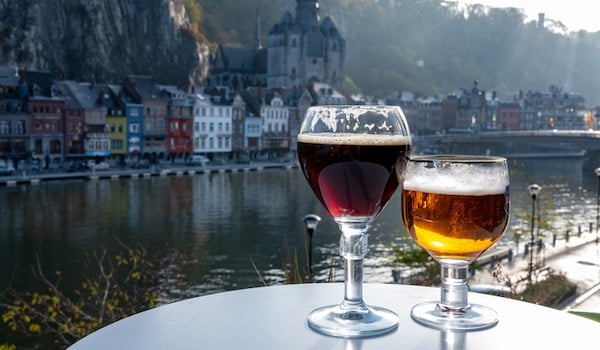
Carbonation tends to be high and fine, giving the beer a champagne-like texture. The color is a striking deep red — sometimes nearly purple — that looks like nothing else in the beer world. Aroma is where you really get the full picture: sour fruit up front, then a wave of oak, earthiness, and something faintly acidic that reminds you this beer spent years in a barrel. ABV typically lands between 5% and 7%.
If you’ve already tried lambic or gueuze, kriek will feel familiar — the same wild, acidic character, but with the cherry adding a fruity layer that makes the sourness feel more approachable. For beer nerds who’ve been chasing sours, this is the original.
Oude Kriek vs. Commercial Kriek
Here’s where things split. “Oude kriek” — old kriek — is the traditional style made with whole cherries and aged lambic. These are the beers from producers like Cantillon, 3 Fonteinen, and Boon. Dry, complex, unfiltered, and often expensive. You’ll find them at specialist bottle shops rather than supermarkets. They don’t travel in six-packs.
Commercial kriek is a different animal. Producers like Lindemans, Belle-Vue, and Mort Subite make sweetened, filtered versions using cherry juice or concentrate rather than whole fruit, and often blending with young lambic or even non-lambic beer. These are the bottles you’re most likely to find on import shelves worldwide. They’re sweeter, softer, and far less acidic. Perfectly enjoyable as a fruit beer — but they’re a simplified version of what kriek is supposed to be.
Neither is wrong to drink. But they’re genuinely different products. If you’re curious about kriek as a traditional Belgian style, you want the oude kriek. If you’re after something more accessible and fruit-forward, the commercial versions serve that purpose. Our guide to fruit beers covers the wider category if you want more context.
The Schaarbeek Cherry: Belgium’s Sour Secret
Traditional kriek is made with Schaarbeek cherries — a small, dark, intensely sour variety that was once grown in abundance around Brussels. CraftBeer.com’s fruit lambic style guide notes that this variety contributes intense tartness and deep color that define authentic kriek. They’re not eating cherries. They’re not sweet Bing or Rainier. They’re astringent, bitter-edged, and barely palatable straight off the tree. Which makes them perfect for kriek: the sourness and tannins from the pit complement the lambic’s acidity rather than competing with it.
The problem is that Schaarbeek cherries are now rare. Urban development ate up most of the orchards around Brussels over the twentieth century, and the variety fell out of commercial production. A handful of producers still source them from a shrinking number of private growers, but the supply is limited enough that most traditional kriek brewers now supplement with other sour cherry varieties from Belgium, Poland, or elsewhere. Cantillon is one of the few still committed to Schaarbeek when they can get them.
Best Krieks to Try
Start here if you want to understand what the style can do at its best.
Cantillon Kriek 100% Lambic — Brussels, founded 1900. The benchmark. Made with Schaarbeek cherries, aged lambic, zero sugar added. Nose of sour cherry and horse blanket, palate of bright acid and stone fruit, finish of extraordinary length. If you find a bottle, buy it. Don’t think about it.
3 Fonteinen Kriek — Beersel. One of the most celebrated lambic blenders in Belgium. Their kriek uses whole sour cherries and aged gueuze-quality lambic. Complex, refined, and dangerously drinkable at around 6% ABV. This one regularly sells out on release.
Boon Oude Kriek — Lembeek. Frank Boon helped revive traditional lambic production in the 1970s, and his kriek is a textbook example of the style. More approachable than Cantillon, still fully dry and sour. Easier to find internationally — a good entry point.
Lindemans Kriek — Vlezenbeek, family-owned since 1822. This is the commercial version done well. Sweeter, softer, and genuinely pleasant. If you want to introduce someone to Belgian cherry beer without hitting them with full-throttle lambic sourness, Lindemans is the right pick. Widely available, good value.
Tilquin Oude Kriek à l’Ancienne — Brussels. A younger producer (founded 2009) who sources lambic from some of the best traditional producers and blends it himself. The kriek is made the old way — whole cherries, aged lambic, bone dry. Exceptional quality and well worth seeking out.
Frequently Asked Questions (FAQ)
What does kriek mean in Belgian?
Kriek is the Flemish word for cherry — specifically for sour cherries, rather than the sweet varieties most people eat fresh. The word comes from Dutch, and it’s used throughout Belgium and the Netherlands. So when you order a kriek, you’re literally ordering a cherry beer. The name is that straightforward; the beer is considerably more complex.
Is kriek a sour beer?
Yes — traditional kriek is unambiguously sour. It’s made from lambic, which is fermented by wild yeast and bacteria including Lactobacillus and Pediococcus strains that produce lactic acid. That’s the same souring process used in many modern craft sour beers, but lambic producers have been doing it for centuries without any laboratory cultures. Commercial krieks are much sweeter and lower in acidity — they use the kriek name but represent a very different experience.
How do you drink kriek beer?
Cold but not freezing — around 45–50°F (7–10°C). Traditional kriek is served in a tulip glass or a wide-brimmed goblet that opens up the aroma. Pour slowly: bottle-conditioned krieks can be lively and will foam if you tip them too fast. Some producers leave a thin layer of yeast sediment in the bottle — you can leave it or swirl it in, though most people leave it. Drink it fresh once opened; these beers don’t improve once the seal is broken.
Is kriek gluten-free?
No. Kriek is made from a wheat and barley malt mash — the lambic base contains both grains, which means it contains gluten. The cherry addition doesn’t change that. If you need gluten-free options, check out our guide to gluten-free beers for alternatives.
What’s the difference between kriek and framboise?
Both are lambic-based fruit beers, but framboise uses raspberries instead of cherries. The production method is identical — whole fruit added to aged lambic for a secondary fermentation. Framboise tends to be slightly less tannic and a touch softer on the palate, since raspberries don’t have the astringent pit that sour cherries bring. Both styles come in traditional (dry, sour) and commercial (sweetened) versions, and the same producers make both.
Join the Craft Beer Me Community
If kriek has you down a Belgian beer rabbit hole, you’re in good company. Sign up for the Craft Beer Me newsletter for new style guides, brewery profiles, and homebrewing deep-dives every week. And if you want to talk kriek, lambic, and all things sour with other craft beer fans, come join the Craft Beer Me community — it’s free.
Sign Up for Our Newsletter