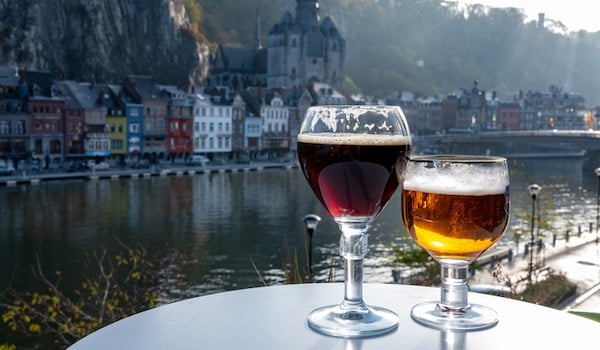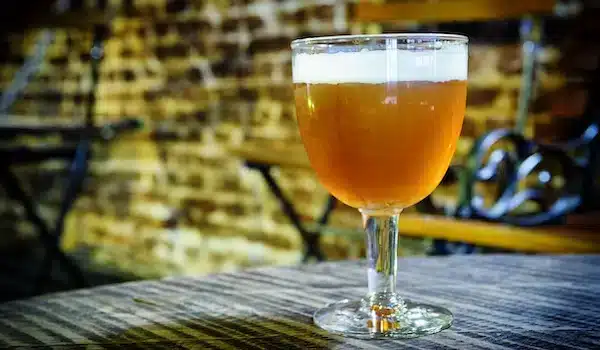

Belgian dubbel is a dark abbey-style ale — typically 6–8% ABV, deep amber to brown in color, with a rich malt character built around dark fruit, caramel, and gentle spice. It’s one of the oldest styles in the Belgian Trappist tradition: complex enough to drink slowly, smooth enough that you don’t need to. Westmalle Trappist Brewery codified the modern version in the 1920s, and the style has barely changed since.
If you’ve spent any time around Belgian beer, you’ve probably already had a dubbel without knowing exactly what it was. Chimay Rouge (the red label), Leffe Brune, Rochefort 6 — these are all dubbels or close relatives. The style has a presence on tap lists and bottle shop shelves that far exceeds how well-known it is by name. Most people know the taste long before they know the style.
Our Belgian beer guide covers the full range of Belgian styles. This article goes deep on the dubbel specifically — how it’s made, what it tastes like, and where to start if you want to drink your way through the best examples available.
How Is a Belgian Dubbel Made?
The malt bill is where a dubbel gets its identity. Pale Belgian pilsner malt forms the base, but the color and flavor come from Special B malt — a highly roasted Belgian malt that produces intense dark fruit, raisin, and toffee notes — along with chocolate malt and caramel malts in varying proportions. Unlike a stout, which gets its darkness from roasted barley, a dubbel’s dark character is all caramel and dried fruit. There’s no coffee, no sharp bitterness, no roasted edge.
Dark candi sugar is added during the boil — either syrup or solid rock form — which boosts ABV without adding heaviness and contributes additional caramel, fig, and molasses notes. This is standard practice in Belgian brewing; the goal is a beer that’s stronger than it tastes, with a dry finish rather than a thick, sweet one.
Hops are restrained — typically 15–25 IBU — using continental varieties like Styrian Golding or Hallertau. The bitterness is there for balance, not for flavor. Belgian ale yeast drives the aroma, producing fruity esters (banana, cherry, plum) and peppery phenols that add another layer of complexity on top of the malt. The whole thing is bottle-conditioned, giving the beer a fine carbonation that lightens what would otherwise be a very rich package.
What Does a Belgian Dubbel Taste Like?
Rich and dark-fruity, with a warmth that builds slowly. The first sip is all caramel malt and dried fruit — raisin, fig, sometimes a faint prune quality — followed by a gentle yeast spice (pepper, clove) and a warm alcoholic finish that’s smooth rather than hot. The malt sweetness is real, but the finish dries out more than you’d expect, leaving you wanting another sip rather than feeling heavy.
The color ranges from deep copper to dark brown, with a persistent off-white to tan head. Carbonation is moderate to high from bottle conditioning. The aroma is one of the best things about a great dubbel: dark malt, dried fruit, yeast spice, and a warmth from the alcohol that smells genuinely inviting rather than aggressive.
If you’re used to dark beers like stout or porter, the dubbel will feel lighter and fruitier — less roasted, more complex. If you’ve mostly drunk pale ales and lagers, the malt richness will feel like a different category of beer entirely. It’s neither as heavy as a stout nor as light as a lager, and it occupies that middle ground very comfortably. You can compare notes with our guide to porter beer to understand how the dark malt character differs.
Abbey Dubbel vs. Trappist Dubbel: What’s the Difference?
Trappist dubbels are brewed by or under the direct supervision of Trappist monks in a Trappist monastery. There are only 14 recognized Trappist breweries in the world, six of which are in Belgium. These are Westvleteren, Westmalle, Chimay, Rochefort, Achel, and Orval — each producing beers that carry the Authentic Trappist Product (ATP) seal — a label awarded by the International Trappist Association under strict criteria covering where the beer is made and who supervises production. Westmalle Dubbel is considered the template for the style globally.
Abbey dubbels are made by commercial breweries using monastic branding or brewing traditions — Leffe Brune (AB InBev), Grimbergen Double (Carlsberg), and dozens of smaller Belgian craft breweries that style their dark ales after the Trappist tradition. These can be excellent, and several are as good as anything from the monasteries. But they don’t carry the ATP seal and can’t be labeled Trappist. The difference matters to some people more than others. Whether you insist on the ATP seal or not, the style itself tastes the same.
Best Belgian Dubbels to Try
These are the bottles that define the style — and the ones worth seeking out if you’re building a proper Belgian beer education.
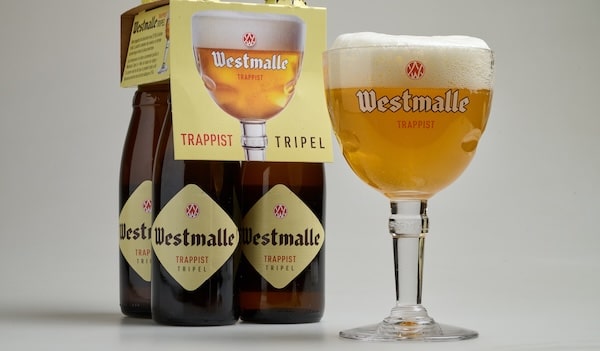
Westmalle Dubbel — Westmalle, 7% ABV. The benchmark. Brewed by Trappist monks at the Abbey of Our Lady of the Sacred Heart since 1856. Dark ruby-brown, rich dark fruit and caramel, yeast spice, long dry finish. If you only try one dubbel, it should be this one. Widely available internationally.
Chimay Rouge (Première) — Chimay, 7% ABV. One of the most recognized Belgian Trappist beers in the world. Slightly fruitier than Westmalle — cherry and fresh fig on the nose, caramel and dark malt on the palate. Approachable for newcomers to the style. Also comes in a larger 75cl bottle labeled “Chimay Red” for serious drinking sessions.
St. Bernardus Prior 8 — Watou, 8% ABV. Not technically Trappist (the brewery is secular) but historically significant — St. Bernardus brewed Westvleteren’s beers under license for decades. The Prior 8 is extraordinarily rich and complex, arguably the finest example of the style available to buy commercially. It regularly beats out the Trappist versions in blind tastings. Don’t miss it.
Rochefort 6 — Rochefort Abbey, 7.5% ABV. The lesser-known sibling of the famous Rochefort 8 and 10. A genuine dubbel with deep malt complexity, dried fruit, and the yeast character that Rochefort does better than almost anyone. Harder to find than Chimay or Westmalle, but worth tracking down.
Leffe Brune — AB InBev, 6.5% ABV. The accessible entry point. You’ll find this on tap in bars across Belgium and Europe, and at bottle shops worldwide. Lighter in complexity than the Trappist versions but honest and enjoyable — a decent way to test whether you like the style before investing in harder-to-find bottles.
Frequently Asked Questions (FAQ)
What does dubbel mean in Belgian beer?
Dubbel is the Dutch word for “double.” The name comes from the historical Trappist brewing tradition of marking beer strength on casks — a single mark for the everyday drinking ale, a double mark for the stronger, darker version. The naming convention stuck, and now dubbel (or double) simply refers to the style: a dark, moderately strong Belgian abbey ale. A tripel follows the same logic but is pale and stronger; a quadrupel is darker and stronger still.
Is Belgian dubbel the same as a dark ale?
Belgian dubbel is a type of dark ale, but “dark ale” is a broad category that includes everything from English milds to American brown ales to stouts. Dubbel is specifically a Belgian abbey-style dark ale with its own distinct characteristics: dark fruit and caramel malt, Belgian yeast spice, moderate-high ABV, and a dry finish. The comparison to other dark styles like porter or stout is useful for color reference, but the flavor profiles are quite different. Dubbel is fruitier, spicier, and more complex than most dark ales from other brewing traditions.
How do you serve a Belgian dubbel?
Serve slightly warmer than you’d serve a lager — around 50–55°F (10–13°C). Too cold and the malt complexity flattens out; too warm and the alcohol becomes more apparent. A tulip glass or abbey goblet is ideal, giving the beer room to open up aromatically. Pour gently to preserve the carbonation. If the bottle has sediment from bottle conditioning, you can leave it in the bottle or pour it in — most traditionalists leave it, though some prefer the slight haziness it adds.
What food pairs with Belgian dubbel?
Belgian dubbel is excellent with rich, slow-cooked meat dishes — beef stew cooked in the beer itself (carbonnade flamande) is the classic pairing. Game meats like venison and duck work beautifully, as does roasted pork with caramelized fruit. Hard aged cheeses complement the malt richness. The style also pairs surprisingly well with dark chocolate desserts — the dried fruit notes in the beer echo similar flavors in a 70%+ cacao chocolate. Avoid very spicy food, which competes with the yeast spice character rather than complementing it.
How does Belgian dubbel compare to a Belgian tripel?
Dubbel and tripel are related styles from the same abbey brewing tradition, but they’re genuinely different beers. The dubbel is dark (amber to brown), rich, fruit-forward, and moderately strong at 6–8% ABV. The tripel is pale golden, drier, more strongly yeast-forward, and higher in ABV at 7.5–9.5%. Think of it as two different expressions of Belgian ale craft — the dubbel is the warm, malty, contemplative sibling; the tripel is the bright, energetic, dangerously drinkable one. Both worth trying. Our Belgian strong golden ale guide covers how the tripel and its relatives differ from the golden ales.
Join the Craft Beer Me Community
Belgian dubbel is the kind of style that opens doors. Once you’ve had a Westmalle or a St. Bernardus Prior 8, you start looking at the entire Belgian tradition differently. Sign up for the Craft Beer Me newsletter for weekly style guides and brewery deep-dives. And join the Craft Beer Me community to share your Trappist discoveries — it’s free.
Sign Up for Our Newsletter