
German beer is one of the most diverse and rigorously brewed traditions in the world — spanning crisp pale Helles lagers, malt-rich Märzen, spontaneous wheat ales, and centuries-old regional specialties like Rauchbier and Altbier. What ties it all together is the Reinheitsgebot, a brewing purity law dating to 1516 that shaped everything Germany pours.
It’s no secret that Germans love their beer, but the country’s favorite beverage is so ingrained in their culture that it’s hard for foreigners to fully wrap their minds around. And while easy-drinking lagers are ubiquitous in Germany, there’s a surprising variety of beer styles and variations throughout the country. It feels like just about every town has its own specialty.
Whether you’re planning a trip to Germany or just want to find out more about the German beers on the shelf, there’s a lot to know. Here’s everything you need to know about German beer and the styles that define it:
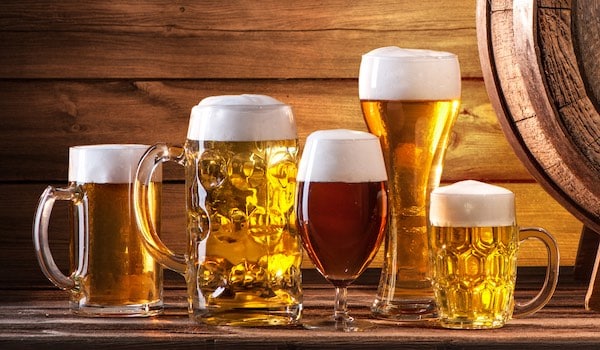
How it all started
While the Germans are indeed an authority when it comes to beer, they certainly weren’t the inventors. Our understanding of beer’s earliest days dates back to between 3500 and 3100 BC in the Middle East, quite a distance from modern-day Berlin. Still, the people of Germany have been drinking beer for as long as other Europeans and have been producing it in mass since the end of the first millennium. This is when monasteries, some of which are still in operation today, such as Weihenstephan, Kloster Andechs, Weltenburg, and St. Gallen, brewed for their communities.
Beer was a staple and vital to sustaining life, as it was the safest way to drink water and nutritious. Even children were allowed to drink beer, as it was considered a valuable source of sustenance. Beer was so important to German culture and commerce that even royals and officials took great interest in the beverage. The ‘Reinheitsgebot’ law was implemented in Bavaria, and Germany as a whole adopted some of the most advanced brewing and quality control methods in the world.
Germany was on the cutting edge of brewing, as it was an early adopter of the use of hops to flavor beer. They were also the first producers to standardize barrel sizes, enabling them to industrialize and begin exporting their beers. A few things have changed over the centuries, as Germany’s brewing industry is now dominated by larger brands that market their brews nationally and internationally. There is still a varied beer landscape, where regionality significantly impacts the type of beer served.
The Reinheitsgebot (Beer Purity Law)
Leave it to the Germans to apply their strict and methodical approach to their favorite beverage. To ensure product quality, Bavarian Duke Wilhelm IV implemented the Beer Purity Law of 1516, which limited the ingredients to water, barley, hops (specifically those from Hallertau), and yeast. This was to protect drinkers from lower-quality barley, rye, spelt, emmer wheat, semolina wheat, or rice and forced producers to keep their quality standards as high as possible. It’s still technically in place to this day.
The Reinheitsgebot is why German beer tastes the way it does. No adjuncts, no corn syrup, no rice — just grain, hops, water, and yeast. It’s the reason the mass-produced German Pilsners and Helles lagers you find on tap in Munich taste noticeably fuller and cleaner than their international commercial counterparts, which typically cut corners with cheaper ingredients. For centuries it was also the reason Germany couldn’t make sour beers or wheat ales with specialty spices — those required ingredients the law didn’t allow. Some regional exceptions, like Gose and Berliner Weisse, eventually survived through cultural tolerance rather than legal permission.
Traditional German Brewing Techniques
German breweries tend to focus on approachable and lighter beer styles, such as lager, but they still employ highly complex and advanced techniques, driven by their relentless pursuit of perfection.
- Decoction mashing is one of the most common German brewing techniques, resulting in the cleanest and easiest-drinking lagers possible. It involves highly controlled boiling temperatures by removing portions of the mash during the boil. This helps brewers extract more sugars from the grains and provides highly distinct malty characteristics. The best European lagers owe their distinctive bready flavors to decoction.
- Most German brewers rely on standard fermentation processes, such as top-fermentation (for ales) or bottom-fermentation (for lagers). A few niche producers will practice open fermentation, often found in Belgium, to incorporate highly localized airborne yeast strains that reflect the terroir and location of the brewery.
- One of the more modern developments in brewing is the advent of cold storage. Traditionally, beer was stored underground in a cellar, also known as a bierkeller. German brewers implemented refrigerated facilities in their supply chain to create the ideal conditions for storage and transportation. The beer could be crafted by the best brewer in the universe, but if it’s not handled correctly, it won’t taste great once it reaches your glass.
German Lagers
You likely associate German beer with the crisp and clean-drinking lager or Pilsner. These bottom-fermenting beers are the most common styles brewed and consumed in Germany, and have dominated the market for centuries. Here are a few subcategories you’ll find in Deutschland:
Pilsner (Pils)
With origins in the Czech town of Plzen, this pale lager is by far the hoppiest traditional German beer style. And yet, the 4.5–5% ABV makes Pilsners drinkable and crisp, with a dry finish and subtle bitterness. There’s a reason why massive brands like Bitburger, Jever, König, and Krombacher are so popular.
German Pils is drier and more bitter than the Czech original — less malt roundness, more hop snap. Jever is the most hop-forward of the major German brands (around 35 IBU), while Bitburger is the most widely exported. If you want to go deeper on the style, the history, and how to brew one at home, the German Pilsner guide covers all of it.
Helles
The most common beer style in Germany originates from Munich and is characterized by its lighter body and bright, straw-colored appearance. Look for distinct Hallertau hop flavors and a nice breadiness. This is your ideal beverage to pair with a pretzel, and you’ll be able to have a few.
Helles (meaning “bright” or “pale”) was Munich’s response to the Czech Pilsner craze of the late 1800s — same pale color, but softer, maltier, and less bitter. ABV runs 4.7–5.4%. Augustiner Helles is the Munich local’s choice and widely considered the benchmark — if you ever spot it imported, don’t pass it up. For the full flavor breakdown and best brands, see the German Helles guide.
Dunkel
The name stands for “dark” and is highly apt, as Dunkel is more or less a blanket term for any dark lager. Expect light bitterness, playing with pronounced sweetness from the malt.
Munich Dunkel runs 4.5–5.6% ABV and is built around Munich malt — toasty, bready, with hints of caramel and a faint chocolate note. Despite the dark color, it’s not heavy or roasty like a stout. Think of it as the dark lager equivalent of a Helles: sessionable, food-friendly, and quietly excellent. Ayinger Altbairisch Dunkel and Hofbräu Dunkel are the two to seek out first. See the full Dunkel beer guide for more.
Bock
One of the most substantial styles of beer brewed in Germany, this dark lager comes in several variations. Maibock, brewed in spring, is lighter. Heller Bock is only a little maltier and sweeter than a Helles lager. Doppelbock (or “Double Bock”) is where things get heavy. Eisbock (Ice Bock) is quite boozy, as parts of the beer are frozen during fermentation to concentrate the alcohol content. Weizenbock is made with wheat and combines sweeter notes with the traditional banana flavor typically found in a Weissbier.
Traditional Bock runs 6.3–7.2% ABV; Doppelbock goes 7.0–10.0% and is the style behind the monks’ “liquid bread” tradition — Paulaner Salvator and Ayinger Celebrator are the benchmarks. Eisbock starts around 9% and goes higher. All of them are winter and spring releases worth tracking down seasonally. The German Bock guide covers the full family and the best examples to try.
Märzen
This malty lager is most famous for being the beer served at Oktoberfest. Expect a drinkable yet more flavorful experience that’s ideal for putting back a few.
Märzen (meaning “March”) was traditionally brewed in spring, lagered cold through summer in Alpine caves, and brought out at Oktoberfest in the fall — the extended cold storage giving it its smooth, clean character. ABV runs 5.8–6.3%, with a rich copper-amber color and toasted Munich malt at the center of the flavor. One thing worth knowing: what’s served in most modern Oktoberfest tents has shifted to a lighter golden Festbier. Märzen is the traditional version, and it’s better. Paulaner, Ayinger, and Spaten all make excellent examples. Go deeper with the Märzen style guide.
Kellerbier / Zwickelbier
Perhaps the most flavorful German beer style, this unfiltered lager gets a flavor boost from suspended yeast left in the beer. It’s somewhat of an event as Kellerbier is traditionally served directly from the barrel to the beer garden.
Schlenkerla in Bamberg serves a Kellerbier straight from the cask that’s a genuine revelation — yeasty, slightly hazy, with that fresh-from-the-tank character that no filtered lager can replicate. Never miss your chance to try one on draft when you find it.
Schwarzbier
Brewers use darker malts to create this pitch-black lager, giving it coffee and chocolate flavors along with a lightly bitter finish. Despite the hefty flavors, it’s still quite drinkable!
Schwarzbier is one of the most misunderstood German styles — the near-black color makes people expect something heavy and bitter like a stout, but it’s nothing of the sort. ABV sits at 4.4–5.4%, the body is light to medium, and the roasted character is gentle rather than aggressive. Think coffee and dark chocolate in the background, clean lager character in the foreground. Köstritzer Schwarzbier from Thuringia is the benchmark — widely available in the US and a reliable way to show stout-skeptics that dark doesn’t mean heavy.
German Ales
Their calling card might be lager, but Germany’s breweries have been putting out superb top-fermented beers for centuries. Ales are where you’ll find the diversity in German beer. Here are a few of the most notable:
Kölsch
The residents of Cologne are known for their welcoming demeanor and their favorite beverage. This ale drinks like a lager, but it has been top-fermented with a conditioning treatment similar to that of lagers. Kölsch is traditionally served in small cylindrical glasses called “Stange,” and servers will keep them coming until you cover your glass to tell them you’ve had enough. These are only 6-ounce servings, but you can really put a few of these away.
Kölsch is also protected by a geographical convention — only breweries within the Cologne metropolitan area can legally use the name. ABV sits at 4.4–5.2%, with a delicate pale golden color, gentle noble hop character, and a trace of fruity ale esters that cold-conditioning keeps subtle. Reissdorf and Gaffel are the two most widely exported versions. There’s also a great homebrew-friendly recipe if you want to try making it yourself — the Kölsch recipe walks through the full process. For the complete style breakdown, see the Kölsch beer guide.
Altbier
This ale is brewed in Düsseldorf and is a direct response to its neighbor Cologne’s Kölsch. It’s much darker and maltier, but still boasts impressive drinkability.
“Alt” means “old” — this is Düsseldorf’s centuries-old top-fermented ale style, kept alive while the rest of Germany switched to lager. ABV runs 4.3–5.5%, with a deep copper-brown color, toasted malt, and a notably firm bitterness (25–50 IBU) that surprises people expecting a smooth dark beer. Like Kölsch, it’s cold-conditioned after fermentation, which keeps the profile clean despite being an ale. The four classic Altstadt brewpubs — Zum Uerige, Im Füchschen, Schumacher, and Zum Schlüssel — have been serving it straight from copper tanks for generations. The full story and best brands are in the Altbier style guide.
Berliner Weisse
This summer sipper is crafted with wheat and specialized yeast, resulting in a highly acidic and tart flavor. The low alcohol content and citrus fruit flavors make Berliner Weisse ideal for patio drinking or even the beach.
ABV is typically just 2.8–3.8%, making it one of the lowest-alcohol beers in the German repertoire — Napoleon allegedly called it “the Champagne of the North,” which gives you an idea of how it was regarded. The sourness comes from lactobacillus bacteria fermenting alongside the yeast, producing a sharp lactic tartness. Traditionally served with a shot of sweet raspberry (himbeer) or woodruff (waldmeister) syrup to balance the acidity — don’t skip it on your first try. American craft breweries have run wild with the style in recent years, often pushing ABV much higher and adding all manner of fruit, but the traditional German version is its own thing entirely.
Gose
Another sour beer, this Leipzig specialty utilizes (Reinheitsgebot-banned) ingredients like salt, fruit syrups, and coriander to achieve ample flavor.
Gose (pronounced “go-zuh”) originated in the town of Goslar and became synonymous with Leipzig, where it was the dominant local beer style for centuries before nearly dying out completely in the 20th century. ABV runs 4.2–4.8%, and the flavor is a fascinating three-way combination: lactic tartness from the souring process, a subtle mineral saltiness that makes it surprisingly thirst-quenching rather than actually salty, and a gentle herbal note from coriander. It was revived in Leipzig in the 1980s and has since become one of the most widely brewed sour styles in American craft beer. Döllnitzer Ritterguts Gose is the most authentic traditional version to seek out — Anderson Valley and Westbrook both make excellent American takes if imports aren’t available.
Wheat Beers (Weißbier / Weizenbier):
Even with Reinheitsgebot, German brewers have been brewing with wheat for centuries. These top-fermenting ales are a vital piece of Germany’s beer traditions and are perfect for afternoons at the beer garden.
Hefeweizen
Also known as Weißbier, this ale is brewed with wheat and pale air-dried malt to deliver the smoothest drinking experience you’ll find anywhere. With origins in Bavaria, brewers use a specific yeast strain that lends the beer aromas of banana and clove.
ABV runs 4.9–5.6%, making it sessionable despite the full, cloudy pour. It’s the quintessential beer garden style — best served cold in a tall 500ml Weizen glass that captures the fluffy white head. Weihenstephaner Hefeweissbier is the benchmark, clean and perfectly balanced. Paulaner and Franziskaner are the brands you’re most likely to find on the shelf at your local bottle shop. Go deeper with the complete Hefeweizen guide.
Kristallweizen
This style of wheat ale goes through filtration that others don’t, and is a specialty of Southern Germany. The result is a clear beer that won’t have the cloudiness or chewy mouthfeel, but it’s perfect for drinking a few in the sun, as it’s pretty approachable. See the full Kristallweizen guide if you want to know more.
Dunkelweizen
This dark wheat ale combines chocolatey malt flavors with the distinctive banana and clove aromas characteristic of other weizen beers.
At 4.3–5.6% ABV, it looks heavier than it tastes — the dark color comes from Munich and caramel malts, not roasted barley, so it stays smooth rather than bitter. Erdinger Dunkel is the easiest to find in the US. If you want the best one, track down Ayinger Dunkel-Weisse. See the Dunkelweizen style guide for more.
Weizenbock
One of the most complex German beers, the Weizenbock seamlessly blends the Bock and Weissbier styles to achieve a rich profile of dark fruit flavors, including plum, raisin, and grape, complemented by bready malts and banana-like wheat aromas. Weizenbock is essentially the Grapenuts cereal in a glass. Go deeper with the Weizenbock guide.
Regional Specialties and Rare German Beer Styles
Rauchbier
This smoked beer is a specialty from the town of Bamberg in Upper Franconia. The malts are dried over open flames, imparting smoky, almost barbecue-esque flavors. Schlenkerla Märzen is the most famous example — polarizing on first sip, unforgettable by the second pint.
Steinbier
“Stone beer” is a historic beer style that has been largely abandoned in the last century but can still be found in various communities in southwestern Germany. It’s named for the use of hot stones that heated the mash in wooden tubs, giving the beer a caramel-forward and earthy flavor.
Zoigl
This Bavarian concoction utilizes wood-fired heat in the boil and is lagered and fermented at specific pubs, as opposed to the brewery.
German Beer Festivals and Serving Traditions
Oktoberfest is held in Munich every year from late September to the first Sunday in October and is one of the largest festivals in the world. The Märzen lager served during the event is drinkable and has a nice malt backbone. All of Munich’s breweries (Löwenbräu, Hofbräuhaus, Augustinerbräu, Paulaner, Hacker-Pschorr, and Spaten) brew a Märzen for the event, and it’s also called Festbier or Wiesn.
The event is hardly specific to Munich at this point. You’ll find Oktoberfest celebrations throughout the world, particularly in areas where German immigrants have settled. The largest by far is still the one in Munich, but you can attend epic Oktoberfest parties in places like Milwaukee and Buenos Aires.
German Beer Glassware
- Stein: These pewter or glass mugs are decorated with ornate artwork and often depict beer gardens or special events, such as weddings. There are smaller and more practical biersteins that you can actually drink out of, along with highly ornamental ones that are too large or unwieldy to use but make for amazing gifts or decor. This is the perfect gift for the beer lover in your life!
- Maß: The ubiquitous glass mug holds exactly 1 liter of beer and is served in beer gardens all over Germany.
- Stange: These thin glasses, which hold about 6 ounces of beer, are designed to preserve the carbonation of a beer like Kolsch and are commonly found in Cologne beer halls. These beers are transported in a Kranz tray filled with kolsches and are served to your table automatically. Just down the river in Dusseldorf, Altbier is also served in a Stange.
Beer gardens and communal culture
Because beer is so important to German dining and social culture, it’s unsurprising that communal spaces and traditions often revolve around beer. Similar to traditional pubs in the UK and Ireland, German beer gardens and beer halls are where neighbors and families gather after work or on weekends. It’s that “third space” between work and home that just so happens to have liters of delicious beer. The traditional German beer garden will have long picnic tables and ample greenery to provide shade. Fun fact: beer gardens were invented in Bavaria!
Frequently Asked Questions (FAQ)
What is the most popular type of German beer?
Helles lager is the most popular style in Germany today, particularly in Bavaria — it’s the everyday house beer at most Munich beer halls and beer gardens. Hefeweizen is the most popular wheat beer style. Globally, German-style Pilsner is the most widely consumed, as it formed the template for most of the world’s mass-market lagers. For craft beer enthusiasts, styles like Märzen, Altbier, and Kölsch have the most devoted followings.
What is the Reinheitsgebot and why does it matter?
The Reinheitsgebot is Germany’s Beer Purity Law, first enacted in Bavaria in 1516. It originally limited beer ingredients to water, barley, and hops (yeast was added later once its role in fermentation was understood). The law is still technically in effect for German beers sold domestically, and it’s the main reason German beer tastes fuller and cleaner than most commercial international lagers — no corn, no rice, no cheap adjuncts.
What beer is served at Oktoberfest?
For most of Oktoberfest’s history, Märzen was the official festival beer — a rich, amber lager brewed in spring and lagered through summer. Since the 1990s, most of the big Munich tent breweries have switched to a lighter golden lager called Festbier (or Wiesn), which is easier to drink in large volume. Both are exclusively produced by the six official Munich breweries: Paulaner, Spaten, Augustiner, Hacker-Pschorr, Hofbräu, and Löwenbräu.
What is the difference between Helles and Pilsner?
Both are pale German lagers, but they drink differently. Helles is softer and more malt-forward — the Munich malt sweetness leads, and the hop bitterness is restrained (16–22 IBU). Pilsner is drier, crisper, and noticeably more bitter (25–40 IBU), with a leaner malt backbone and a more pronounced hop character. Helles is Munich’s everyday house beer; Pilsner is more associated with northern Germany and the broader commercial lager tradition.
Is Kölsch a lager or an ale?
Kölsch is technically an ale — brewed with top-fermenting ale yeast. But after primary fermentation, it’s cold-conditioned like a lager for several weeks, which gives it a clean, crisp character that most people associate with lager. It’s often called a hybrid beer for this reason. The same applies to Altbier from Düsseldorf — both are German ales that go through a cold-conditioning phase, producing a far cleaner result than a typical ale.
Join the Craft Beer Me Community
Germany boasts one of the world’s most vibrant drinking cultures — from lighter Helles lagers to sour Goses and pitch-black Schwarzbier, there’s a German beer for every type of drinker. Come join our Craft Beer Me Facebook group to swap notes with beer nerds who take German lagers just as seriously as IPAs — and sign up for our newsletter at the bottom of the page for more style guides all year round.
Sign Up for Our Newsletter