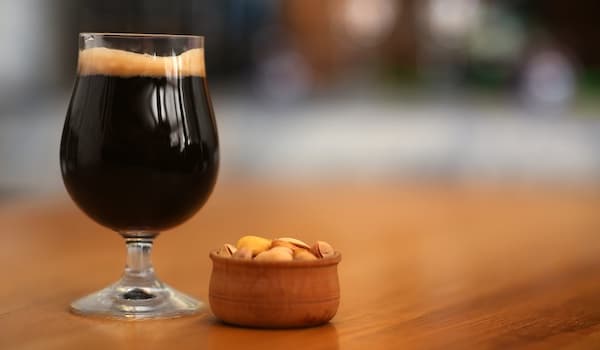

Imperial stout is a big, intensely dark ale brewed with huge amounts of roasted malt, pushing alcohol levels to 8–12% ABV and producing flavors of dark chocolate, espresso, dried fruit, and warming booze. It’s one of the most complex styles in all of craft beer — closer to a dessert or a digestif than a session drink. Sip it slowly; it demands and rewards attention.
The history behind imperial stout is genuinely interesting. In the 18th century, British brewers produced extra-strong, heavily hopped porter to survive the long sea voyage to the Russian Imperial Court. Catherine the Great was famously a fan — VinePair digs into the full history of how the style got its imperial name. The style became known as Russian Imperial Stout — today often shortened to just “imperial stout” — and it’s the style that kick-started craft beer’s obsession with high-alcohol, complex dark ales.
Modern American craft brewers have pushed the style even further. Barrel-aged imperial stouts — finished in bourbon, rye, or rum casks — have become some of the most coveted bottles in the entire beer world. People line up for limited releases of beers like Goose Island Bourbon County Stout the way vinyl collectors queue for record store day. That’s what imperial stout does to people.
What Makes Imperial Stout Different From Regular Stout?
Scale. Imperial stout takes everything a standard stout does and multiplies it. Where an Irish dry stout might have a modest grain bill and a clean, dry finish, imperial stout uses enormous amounts of grain to build body, color, and alcohol. We’re talking about beers where 30–40% of the grain bill might be specialty roasted malts — chocolate malt, black patent malt, roasted barley — layered on top of a massive base malt foundation.
The fermentation creates significant alcohol, but the body — thick and full, almost chewy — absorbs it. A 10% imperial stout doesn’t drink like a 10% beer. It drinks like something between a beer and a spirit. That’s the appeal and the danger in equal measure. Sneaky strong is the term that applies, and it applies hard to this style.
Bitterness can be high (50–90 IBUs) to balance the intense malt sweetness, but you often won’t notice it because the residual sugar masks the perception of bitterness. The overall impression is rich, warming, and complex — not bitter or harsh, even at the IBU numbers that would be face-puckering in a lighter beer.
What Does Imperial Stout Taste Like?
Dark chocolate and espresso are usually the first things that hit. Behind that, you’ll often find dried fruit — raisins, plums, dark cherries — plus molasses, vanilla, and a warming alcohol presence that spreads through your chest. Some versions lean into one flavor and build around it; others are kaleidoscopic, throwing flavors at you in waves.
Barrel-aged versions add another dimension entirely. Bourbon barrels contribute vanilla, caramel, and coconut notes. Rye whiskey barrels add spice. Rum barrels push the fruit character forward. The best barrel-aged imperial stouts are legitimately multi-layered tasting experiences — beer nerds use tasting notes that sound more appropriate for a $200 bottle of whiskey, and they’re not wrong to do it.
A small pour is all you need. Four to six ounces in a proper snifter, served at around 50–55°F, will show you more than a full pint could. Let it warm in your hands. Let it breathe. The aromatics open up and the flavors shift as the temperature rises.
Best Imperial Stouts to Try
These are the bottles that define what the style can do at its best.
North Coast Old Rasputin Russian Imperial Stout — The most widely available American imperial stout and the perfect place to start. Rich with dark chocolate, coffee, and a warming boozy finish. At 9% ABV it’s big without being overwhelming, and it shows up in bottle shops and grocery stores across the country. If you only try one imperial stout this year, make it Old Rasputin.
Founders KBS (Kentucky Breakfast Stout) — One of the most anticipated beer releases in American craft brewing every spring. KBS is an imperial stout brewed with chocolate and coffee and aged in bourbon barrels for a year. The result is extraordinary — vanilla, coconut, dark chocolate, espresso, bourbon warmth, all woven together with genuine precision. At 12.2% ABV it’s a nightcap in a bottle. It sells out fast.
Goose Island Bourbon County Brand Stout — The original American bourbon barrel-aged stout and still the standard against which all others are measured. Released every Black Friday, it’s one of the most significant beers in American craft history. Massive, complex, and genuinely extraordinary. If you can find a bottle, it deserves a proper occasion.
Oskar Blues Ten Fidy Imperial Stout — Ten Fidy is what happens when a brewery decides subtlety is overrated. 10.5% ABV in a can, with a near-syrupy body and flavors of dark chocolate, motor oil (in the best possible way), and espresso. It’s an experience, not a session beer. Drink it with dessert or after dinner when you want something serious.
Deschutes The Abyss — Oregon’s Deschutes releases this once a year and it’s worth the hunt. Aged in bourbon, wine, and other barrels, The Abyss is complex and nuanced in a way that most imperial stouts don’t manage — it has a kind of restraint and balance that makes you appreciate how carefully it’s been put together. A benchmark of American barrel-aged stout. Take a look at our guide to high alcohol beers if you’re ready to go further down this particular road.
Can You Age Imperial Stout?
Yes — and many of them improve significantly with time. The high alcohol acts as a natural preservative, and the roasted malt character mellows and integrates over months or years. Bourbon barrel versions in particular develop new complexity as the barrel-derived flavors marry with the base beer. A Goose Island Bourbon County Stout from two or three years ago often tastes markedly different from the current release — more rounded, less sharp on the edges, deeper.
If you want to try vertical comparisons — drinking the same beer from multiple years side by side — imperial stout is one of the best styles to do it with. You can lay down a couple of bottles each year and open them over time. Just store them upright in a cool, dark location. The cellar crowd takes this seriously, and they have good reason to.
Frequently Asked Questions (FAQ)
How strong is imperial stout?
Imperial stout typically runs 8–12% ABV, though some versions reach 14% or higher. Despite the high alcohol content, the thick, full body of the beer often masks the strength — it’s a style that can be deceptively drinkable. Treat it like a spirit: small pours, sipped slowly, especially when you’re trying it for the first time.
What is the difference between a stout and an imperial stout?
Imperial stout is a much bigger, stronger version of a standard stout. Where a regular stout might be 4–6% ABV with a medium body, imperial stout pushes to 8–12% ABV with a full, chewy body and far more intense flavors. Imperial stout is generally regarded as a sipping beer rather than a session drink — it’s meant to be savored, not knocked back.
What is bourbon barrel imperial stout?
Bourbon barrel imperial stout is an imperial stout that’s been aged inside used bourbon whiskey barrels, typically for several months to a year. During aging, the beer absorbs vanilla, caramel, coconut, and whiskey flavors from the wood, while the alcohol softens and the flavors integrate. Beers like Goose Island Bourbon County Stout and Founders KBS are the most famous examples.
Sign Up for Our Newsletter