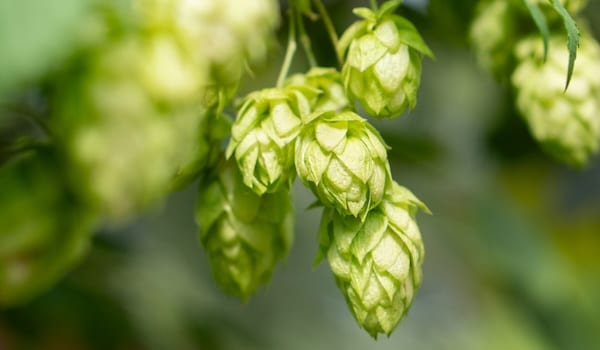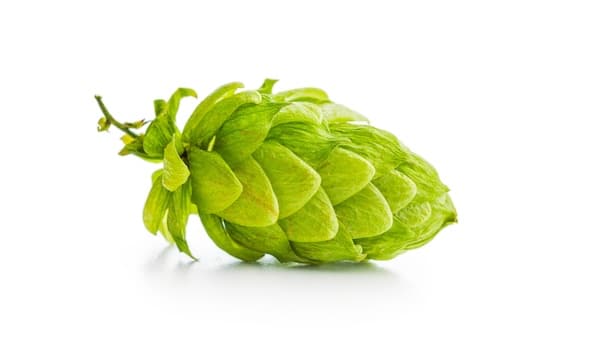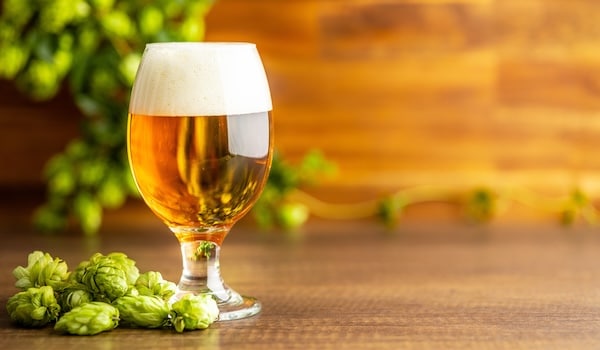

The best hops for lager are not the ones in your NEIPA. Lager is a style defined by balance, clarity, and precision — and the hops need to serve the beer rather than dominate it. That means low alpha acids, subtle aromatics, and the kind of clean, well-integrated bitterness that lets the malt character of the beer come through. For most traditional lager styles, that points directly to the noble hops of central Europe.
But there’s a growing world of craft lagers that push the hop character harder — modern Pilsners with more aroma than their German and Czech predecessors, hop-forward American lagers, Italian Pilsners with bold late hop additions. For those, the approach changes significantly. Here’s how to pick the right hop for the lager you’re making.
Best Hops for Czech Pilsner
This one’s not really a debate. Czech pilsner is a Saaz beer. Using any other hop variety — even a closely related one — produces something that isn’t quite right. The spicy, herbal, earthy Saaz character is inseparable from what a Czech pilsner is. Pilsner Urquell, Budvar, and the rest of the Czech classics are built on it — CraftBeer.com’s history of the pilsner covers how this style went on to influence beer worldwide. There’s no substitute that gets you there the same way.
- Saaz (Žatec) — The only real choice for authentic Czech pilsner. Use generously — Czech pilsners are heavily hopped by traditional lager standards, typically 35–45 IBU with multiple Saaz additions. First wort hopping, 60-minute bittering, and late flameout additions all together. The spicy, herbal character should be prominent and recognizable.
- Tettnanger — The best substitute when authentic Czech Saaz isn’t available. Very similar spicy-herbal character, slightly more floral. Not identical, but close enough for most palates.
Best Hops for German Pilsner
German Pils is drier, crisper, and slightly less hop-prominent than Czech pilsner. The hop character is there — firm, clean bitterness in the 25–45 IBU range — but it’s used to balance the dry finish rather than to deliver an obviously hoppy beer. Traditional German varieties are the right call.
- Hallertau Mittelfrüh — Soft, floral, mild. The traditional German Pils hop. Harder to source than other varieties (limited crop yields and disease susceptibility), but when you get it, there’s nothing quite like it in a German lager context.
- Hallertau Tradition — A modern Hallertau variety bred specifically for disease resistance while maintaining the floral, clean character of Mittelfrüh. Easier to source, nearly as good for the purpose. Many commercial German lagers now use Tradition where they previously used Mittelfrüh.
- Spalt / Spalter Select — Another traditional German variety with mild, herbal character. Spalter Select is more available than original Spalt and produces excellent results in German Pils and Kölsch.
- Perle — A moderately high-alpha German variety (7–9%) useful for bittering in German lagers where efficiency matters. Mild herbal character that doesn’t fight with traditional malt character.
Best Hops for Munich Helles
Helles is a malt-forward lager where the hops play a supporting role — 15–20 IBU of clean, barely noticeable bitterness. You’re balancing the sweetness of the Munich malt, not creating a hoppy beer. Subtlety is everything here.
- Hallertau Mittelfrüh — The traditional choice for Helles. Used at such low rates that the aroma barely registers — the impact is purely bitterness balance. If you use too much, the hop character becomes more prominent than the style calls for.
- Tettnanger — Works equally well for Helles bitterness. Clean and subtle.
- Liberty — An American Hallertau derivative that approximates the floral, mild character at a more accessible price point. Reasonable for homebrewers who want the Hallertau character without paying for imported Mittelfrüh.
Best Hops for Märzen and Oktoberfest
Märzen is toasty, amber, and malt-forward. The hops sit somewhere around 18–25 IBU and should have enough herbal character to balance the caramel-toasty malt without overwhelming it. Hallertau varieties have been the traditional choice for over 150 years.
- Hallertau Mittelfrüh / Tradition — The classic choices. A small flameout addition of Hallertau can add a mild, pleasant floral note alongside the bittering addition without pulling attention away from the malt.
- Tettnanger — Works as well as Hallertau in Märzen — the spicy herbal character plays nicely against the toasty malt.
- Perle — A common bittering hop in commercial Märzen where alpha acid efficiency matters at production scale.
Best Hops for Craft and Italian Pilsner
The Italian Pilsner — and the broader category of modern hop-forward lagers — takes the traditional pilsner template and cranks the hop aroma to levels that would horrify German brewmasters. Large late hop additions and dry hopping with modern aroma varieties. The result is something that has the clean, crisp body of a lager with the hop aroma intensity of a pale ale. CraftBeer.com traces how the Italian Pilsner sparked a wave of American craft lagers built on exactly this approach.
- Hallertau Blanc — A modern German variety bred from Hallertau genetics with an unusual white wine and passion fruit character. Excellent for modern Pils and Italian Pilsner — bridges the gap between noble tradition and modern aroma character. Loral (USA) is a good substitute.
- Mandarina Bavaria — Another modern German variety with tangerine and citrus character. Exceptional in late additions for hop-forward lagers, particularly Italian Pilsner.
- Huell Melon — German variety with honeydew melon and strawberry character. Soft and fruity in a way that works well with the clean lager base.
- Cascade / Centennial — American craft lager territory. Some US craft breweries use American citrus-resinous varieties in their lagers for an explicitly American take on the style. New Belgium Brewing’s various lagers and a number of regional American craft lagers fall into this category.
- Saaz + Citra — An unusual but increasingly popular combination for craft pilsner — traditional Saaz spice for authenticity, a small Citra dry hop for tropical accent. Several well-regarded craft pilsners use this approach.
Quick Reference: Hops by Lager Style
| Style | IBU Range | Recommended Hops |
|---|---|---|
| Czech Pilsner | 35–45 | Saaz (only) |
| German Pilsner | 25–40 | Hallertau Mittelfrüh, Tradition, Spalt |
| Munich Helles | 15–22 | Hallertau Mittelfrüh, Tettnanger, Liberty |
| Märzen / Oktoberfest | 18–25 | Hallertau, Tettnanger, Perle |
| Vienna Lager | 18–30 | Saaz, Hallertau, Styrian Goldings |
| Schwarzbier | 25–35 | Perle, Tettnanger, Saaz |
| Italian / Craft Pilsner | 25–40 | Hallertau Blanc, Mandarina Bavaria, Saaz + Citra |
| American Lager (Craft) | 10–20 | Saaz, Centennial, Cluster |
If you’re looking at the full lager style spectrum, our complete guide to lager beer covers every sub-style in detail. And for a full look at how noble hops fit into the broader world of hop varieties, our types of hops guide is the best place to start.
Best Hops for Lager FAQ
What hops are used in lager beer?
Traditional lager styles use noble hop varieties — Saaz (for Czech pilsner), Hallertau Mittelfrüh and Tradition (for German lagers), Tettnanger (for German Pils and Kölsch), and Spalt (for Franconian lagers). These varieties share low alpha acids, low cohumulone, and subtle spicy-herbal character that complements rather than dominates the malt. Modern craft lagers sometimes use American or modern German varieties for more pronounced aroma.
What hops are used in Budweiser?
Budweiser uses Cluster and Hallertau hops (among others) in its brewing process. The hop rate is very low — Budweiser is a light lager with minimal bitterness, typically under 12 IBU. Anheuser-Busch doesn’t publicly disclose the full hop bill, but the beer is known to use a blend of American and imported hops, with bitterness as the primary function rather than aroma.
Can you use Saaz hops for any lager?
Saaz works well in most traditional lager styles — not just Czech pilsner. It’s appropriate for German Pilsner, Munich Helles (at low rates), Vienna Lager, and Schwarzbier, where its spicy herbal character adds authenticity. For darker, more malt-forward lagers like Märzen or Bock, Hallertau varieties are more traditional, but Saaz is still a reasonable choice.
What makes lager hops different from IPA hops?
Lager hops (noble varieties) have low alpha acids (2–6%), low cohumulone, and subtle spicy-herbal character. IPA hops (modern American and Southern Hemisphere varieties) have high alpha acids (10–16%), intense tropical and citrus aroma, and are used in much larger quantities. Lager hops support the malt without dominating the beer; IPA hops are the featured ingredient. Using IPA hops in a traditional lager produces beer that doesn’t fit the style.
How do you dry hop a lager?
Dry hopping a lager is done after primary fermentation and before cold conditioning (lagering). Add 0.5–1 oz of aroma hops per 5 gallons to the fermenter after primary fermentation is complete, at around 50–60°F. Let contact time run for 4–7 days (longer than ale dry hopping due to lower temperatures), then transfer to cold conditioning. Italian Pilsner and modern craft lagers use this technique regularly; traditional styles typically don’t dry hop.
Sign Up for Our Newsletter