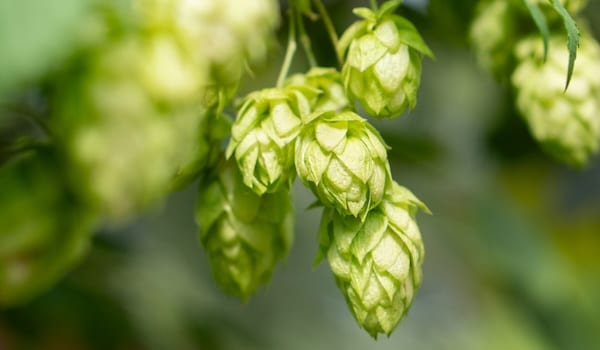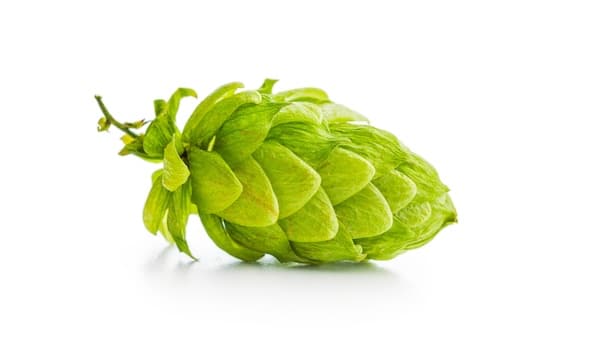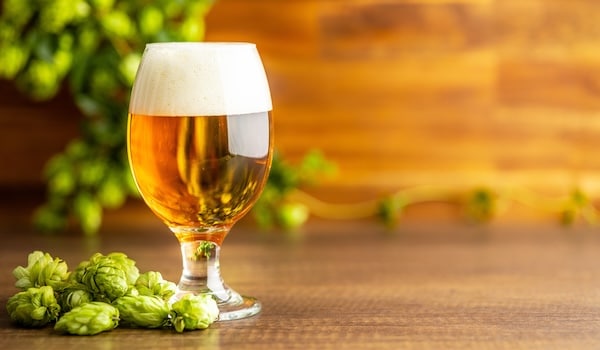

The best hops for pale ale depend almost entirely on the style you’re making. An American pale ale built around Cascade and Centennial is going to be a completely different beer than an English bitter using East Kent Goldings, or a hazy pale ale loaded with Citra and Galaxy. The hop variety shapes everything — the aroma, the bitterness quality, the perceived body, and ultimately what style the beer belongs to.
Pale ale is one of the most versatile categories in brewing. At its most basic, it’s a well-hopped ale with moderate malt and moderate to assertive bitterness — but within that, there’s room for wildly different hop choices. Here’s how to pick the right variety for the pale ale you actually want to make, with notes on the commercial beers that do it best.
Best Hops for American Pale Ale
The American pale ale style was basically invented by Sierra Nevada in 1980 using Cascade. That’s the template — grapefruit, pine, floral character, firm bitterness, clean finish. If you’re making a traditional American pale ale, these are the varieties to reach for first.
- Cascade — Still the go-to after four decades. Grapefruit and floral character at 4.5–8.9% alpha acids, moderate cohumulone (33–40%), perfect for bittering and late additions. Sierra Nevada Pale Ale is the benchmark. Use 1–1.5 oz at 60 minutes plus 1 oz at flameout in a 5-gallon batch.
- Centennial — Often called “Super Cascade” for good reason. Higher alpha acids (9–11.5%), more intense citrus-pine character. Use it for bittering when you want Cascade-adjacent bitterness with better efficiency. Founders Centennial IPA bridges the pale ale/IPA line beautifully.
- Chinook — Piney and grapefruit-forward with high alpha acids (12–14%). Pairs perfectly with Cascade in classic American pale ales. Adds the resinous, piney dimension that Cascade alone sometimes lacks.
- Amarillo — Orange, tangerine, and floral. A softer American pale ale option that produces something brighter and more fruit-forward than the Cascade/Centennial/Chinook combination. Odell Brewing’s Rupture is a good commercial reference.
Best Hops for English Pale Ale and Bitter
English pale ales — bitters, ESBs, English IPAs — call for a completely different approach. The hop character in these beers is earthy, floral, and tea-like rather than citrusy and resinous — and as VinePair’s breakdown of Old World vs. New World hops explains, the two traditions are fundamentally different tools. Using American hops in an English bitter is the surest way to end up with a confused beer that belongs to neither tradition.
- East Kent Goldings (EKG) — The quintessential English hop. Earthy, floral, subtly spicy — the hop behind Fuller’s London Pride, Harvey’s Best Bitter, and much of the traditional English cask ale world. Low alpha acids (4–6%), so you’ll need more weight to hit bitterness targets. The character is incomparable.
- Fuggles — Softer and earthier than Goldings, with a mild woodsy quality. A traditional English bittering hop that produces some of the smoothest bitterness in the category. Often blended with Goldings for complexity.
- Challenger — A slightly more modern English variety with higher alpha acids (6–9%) and a clean, slightly spicy character. Makes a good bittering hop for English ales where you want efficiency without losing the earthy English character.
- Target — High alpha (10–13%) English variety, good for bittering. Less aromatic than EKG or Fuggles, but the character remains recognizably English and the efficiency is a practical benefit.
Best Hops for Hazy Pale Ale
A hazy pale ale is essentially a NEIPA with lower ABV and a softer malt presence — the hop philosophy is the same: heavy dry hopping, tropical aroma, very soft perceived bitterness. The modern high-oil American and Southern Hemisphere varieties rule this space.
- Citra — The tropical citrus benchmark. Intensely aromatic, produces incredible dry hop character in hazy pale ales at 0.5–1.5 oz per 5-gallon batch. Almost every commercially successful hazy pale ale uses Citra as a primary or featured variety.
- Galaxy — Passion fruit and peach, softer and more stone-fruit-forward than Citra. Pairs beautifully with Citra in hazy pale ales — Citra brings the sharp tropical, Galaxy brings the peach depth. Together they produce something genuinely outstanding.
- Mosaic — Mango, blueberry, tropical complexity. Adds layered fruit character that single-variety dry hops can’t match. Use alongside Citra and/or Galaxy for maximum complexity, but keep the solo rate below 2 oz per 5 gallons.
- Amarillo — Orange and tangerine character that’s softer than Citra. A great option if you want a hazy pale ale with citrus aroma that isn’t as sharp or intense as a Citra-heavy beer.
Best Pale Ale Hop Combinations
Single-hop pale ales can be great showcases for a specific variety, but blends produce more complexity and are often better beers overall. Here are the pairings worth knowing.
| Style | Combination | Character |
|---|---|---|
| American Pale Ale | Cascade + Centennial | Classic grapefruit-pine, balanced bitterness |
| American Pale Ale | Cascade + Chinook | More resinous and piney than above |
| American Pale Ale | Amarillo + Cascade | Brighter citrus, floral and fruity |
| English Bitter | East Kent Goldings + Fuggles | Earthy, floral, deeply English |
| Hazy Pale Ale | Citra + Galaxy | Tropical citrus + stone fruit depth |
| Hazy Pale Ale | Citra + Mosaic + Galaxy | Complex, layered tropical — the NEIPA trio |
| Modern Pale Ale | Simcoe + Mosaic | Piney dankness with mango and tropical fruit |
Top Commercial Pale Ales and Their Hop Bills
- Sierra Nevada Pale Ale — Sierra Nevada Brewing (California) — Cascade. The original. The benchmark against which every American pale ale is measured. Simple, executed perfectly.
- Odell Brewing Easy Street Wheat — Odell Brewing (Colorado) — A Cascade-forward wheat-pale hybrid that shows what the variety can do in a lighter-bodied format. Not a pale ale in the strict BJCP sense, but a great reference for Cascade in a softer context.
- Fuller’s London Pride — Fuller’s Brewery (London, UK) — East Kent Goldings and Challenger working together in a classic ESB. The earthy, floral English hop character alongside caramel malt is one of the great flavor combinations in British brewing.
- Firestone Walker 805 — Firestone Walker Brewing (California) — A lighter American pale ale that uses a blend including Cascade and Centennial for balanced citrus-floral character at lower ABV. One of the best-selling craft pale ales in the US for a reason.
- Trillium Vicinity — Trillium Brewing (Massachusetts) — A benchmark hazy pale ale from one of the most respected NEIPA breweries in America. Citra and Galaxy together, beautifully integrated. Worth tracking down if you’re in New England.
Pale Ale Hop Rates: Quick Reference
Total hop quantities in a 5-gallon pale ale batch vary by style. These are practical starting points:
- English Bitter / Best Bitter: 2–3 oz total (heavy bittering, minimal late additions, some dry hop or none)
- American Pale Ale: 3–5 oz total (bittering + late additions + 0.5–1 oz dry hop)
- Modern American Pale Ale: 4–6 oz total (smaller bittering charge, heavier late additions and dry hop)
- Hazy Pale Ale: 5–8 oz total (minimal bittering, heavy whirlpool additions, 2–4 oz dry hop)
For the complete picture on hop varieties and how they work across all brewing stages, our types of hops guide covers the full spectrum. And for hop aroma specifically, our guide to beer hoppiness explains how bitterness and aroma interact in the finished glass.
Best Hops for Pale Ale FAQ
What hops are best for American pale ale?
The best hops for American pale ale are Cascade, Centennial, Chinook, and Amarillo. Cascade is the classic choice — it defines the American pale ale style with its grapefruit and floral character. Centennial adds more intensity, Chinook adds pine and resin, and Amarillo brings brighter orange-citrus character. Many great American pale ales blend two or three of these varieties for more complexity.
What hops does Sierra Nevada Pale Ale use?
Sierra Nevada Pale Ale uses Cascade hops exclusively — for bittering, flavor, and aroma additions. When the beer launched in 1980, Cascade was a new and underappreciated variety. Sierra Nevada’s decision to use it heavily for aroma introduced American drinkers to what hop-forward pale ale could taste like, launching the American craft beer movement.
What are the best hops for a hazy pale ale?
The best hops for hazy pale ale are Citra, Galaxy, Mosaic, and Amarillo. These high-oil varieties produce the intense tropical and citrus aroma that defines the style. Most commercial hazy pale ales use 2–3 of these varieties together in dry hop blends. Citra + Galaxy is the classic pairing; adding Mosaic creates even more fruit complexity.
How many hops should I use for a pale ale?
For a 5-gallon batch, a standard American pale ale uses 3–5 oz of hops total, divided between bittering additions, late boil additions, and a dry hop. English pale ales use 2–3 oz with more emphasis on bittering. Hazy pale ales use 5–8 oz, with minimal bittering additions and heavy dry hopping (2–4 oz in the fermenter). These are starting points — adjust based on hop alpha acid content and desired bitterness.
Can I use Citra hops in a pale ale?
Absolutely. Citra is excellent in pale ales, particularly modern and hazy styles where tropical aroma is the goal. In a traditional American pale ale, use Citra as a late addition or dry hop alongside a bittering charge of Centennial or Columbus. For a hazy pale ale, Citra is often the primary dry hop variety. Just keep the bittering additions light — Citra’s intensity can become unbalanced in malt-forward pale ales when used heavily at 60 minutes.
Sign Up for Our Newsletter