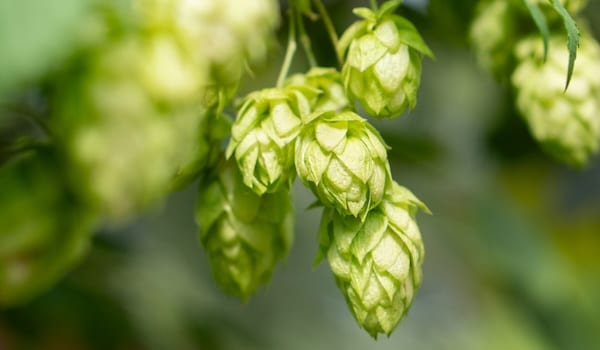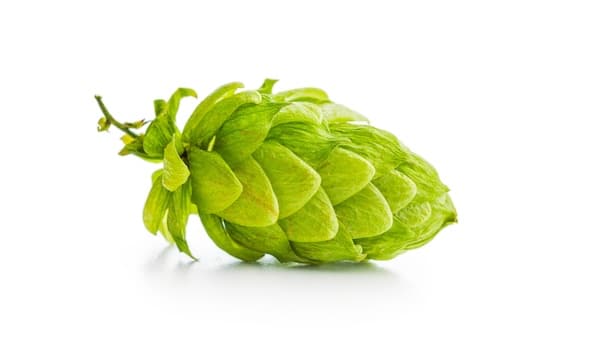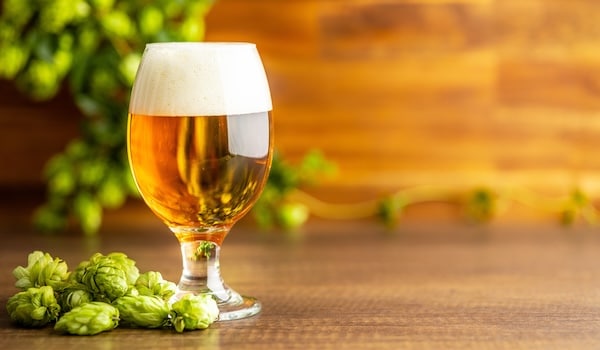

Mosaic hops are an American aroma variety known for an unusually complex flavor profile — mango, blueberry, tropical fruit, pine, and earthy notes that shift and layer depending on how the hop is used in the brewing process. Released in 2012 by Hop Breeding Company, Mosaic quickly became one of the most widely used hops in modern craft beer, particularly in NEIPAs and West Coast IPAs where complexity is the point.
What makes Mosaic different from most hops is that the flavor description keeps changing as you dig deeper into a glass. Other hops have a signature note — Citra’s citrus, Cascade’s grapefruit — and then some supporting character. Mosaic gives you something different with every sip, which is either the best or most frustrating thing about it depending on who you ask. Beer nerds love it. That complexity is exactly the point.
What Are Mosaic Hops?
Mosaic is a proprietary variety developed by Hop Breeding Company (HBC), a joint venture between Yakima Chief Hops and John I. Haas. It was released in 2012 as HBC 369, with Simcoe as one of its parent varieties — which explains the earthy dankness that shows up in Mosaic alongside its tropical fruit character. It’s grown in the Pacific Northwest, primarily in Washington State’s Yakima Valley.
From the moment Mosaic hit the market, brewers recognized what they had. The complexity of its aroma profile — the fact that it can deliver mango and blueberry and tropical fruit and earthiness and pine all at once — made it incredibly versatile. It works in dry hops, whirlpool additions, and even as a bittering hop, though most brewers reserve it for aroma work where its character shines.
The name “Mosaic” captures the hop’s defining quality: you get a mosaic of flavors rather than a single dominant note. It’s an appropriate name for a hop that’s become one of the building blocks of the modern IPA revolution.
Mosaic Hop Flavor and Aroma Profile
Mango is usually what leads when you pour a Mosaic-forward beer. Ripe, fresh mango — not candy mango, actual fruit. Behind that comes blueberry, then a citrusy lime and tropical fruit layer, then sometimes a faint earthiness that you catch on the finish. If the beer has been dry hopped during active fermentation, there may be a peach or apricot note from biotransformation. It’s a lot happening at once, and that’s exactly the idea.
Mosaic shares some of Simcoe’s earthy quality (not surprising, given the parentage), but where Simcoe skews piney and dank, Mosaic stays more fruit-forward. The earth in Mosaic is more of a background note — a complexity rather than a dominant character. When you use them together, the fruit leads and the earth provides depth without taking over.
Used solo as a dry hop, Mosaic can sometimes produce a herbal or catty note that some drinkers find off-putting. This is a known quirk of the variety and usually appears when it’s used in very large quantities without other hops to balance it. The solution is simple: pair it. Mosaic plays incredibly well with Citra (more citrus), Galaxy (more stone fruit), and Simcoe (earthier depth). Most commercial NEIPAs that use Mosaic use it as part of a blend rather than the sole hop.
Mosaic Hops Brewing Stats
| Stat | Value |
|---|---|
| Alpha Acids | 11.5–13.5% |
| Beta Acids | 3.2–3.9% |
| Total Oil Content | 1–3 mL/100g |
| Myrcene | 47–55% of total oil |
| Farnesene | 0.4–1% |
| Cohumulone | 24–26% of alpha acids |
| Origin | USA (Yakima Valley, Washington) |
| Type | Dual-purpose |
The moderate cohumulone percentage (24–26%) produces smooth, clean bitterness at bittering additions — softer than Cascade or Simcoe. Total oil content varies quite a bit (1–3 mL/100g), which means year-to-year crop variation can affect aroma intensity. If you’re working with a new crop year, check the oil analysis on your supplier’s product listing before scaling up your dry hop rates.
Best Beer Styles for Mosaic Hops
- New England IPA (NEIPA) — The style Mosaic was almost made for. The mango, tropical, and berry notes are ideal for hazy IPAs, and biotransformation during active fermentation amplifies the fruit character even further.
- West Coast IPA — Mosaic brings tropical depth to West Coast IPAs without the soft body of a NEIPA. Paired with Simcoe or Columbus for bittering, Mosaic provides the aroma complexity that elevates a WC IPA above the straightforward pine-and-grapefruit baseline.
- Double IPA — The high alpha acids and complex aroma make Mosaic an excellent DIPA hop. The fruit intensity holds up against the bigger malt presence in high-gravity beers.
- Hazy Pale Ale — A lighter-bodied application that lets Mosaic’s complexity shine without IPA-level bitterness or alcohol. 0.5–1 oz as a dry hop in a 5-gallon batch produces a pale ale with genuine tropical character.
- Berliner Weisse / Fruit Sour — Mosaic in small amounts as a dry hop in a sour beer amplifies the fruit character beautifully, particularly in beers with mango or blueberry fruit additions.
Top Commercial Beers Brewed With Mosaic Hops
- Pliny the Elder — Russian River Brewing (California) — The benchmark double IPA uses Mosaic as part of its hop bill. A great example of how Mosaic adds tropical complexity to a West Coast IPA without pulling it in a hazy direction.
- Julius — Tree House Brewing (Massachusetts) — A legendary NEIPA where Mosaic is a key component. The combination of Mosaic, Citra, and Columbus creates layers of mango, citrus, and tropical fruit that have made this one of the most praised IPAs in the country.
- Lee Hill Vol. 5: Mosaic Single Hop — Crooked Stave Artisan Beer Project (Colorado) — A rare single-hop Mosaic showcase that demonstrates exactly what the variety can do when it’s the only hop in the beer.
- Luponic Distortion — Firestone Walker Brewing (California) — Mosaic features prominently in this rotating IPA series from one of California’s most respected breweries. The series is designed specifically to highlight different hop varieties and combinations.
How to Brew With Mosaic Hops
Mosaic rewards a thoughtful approach. Here’s how to get the most out of it while avoiding the herbal note that can emerge with heavy solo usage.
As a bittering hop: Mosaic’s 11.5–13.5% alpha acids and moderate cohumulone produce clean, smooth bitterness. Use 0.5–0.75 oz at 60 minutes in a 5-gallon IPA and the bitterness will be solid without being aggressive. That said, given the price of Mosaic, you’ll often use a cheaper high-alpha variety for bittering and save Mosaic for late additions.
As an aroma hop (late additions): Add 1–2 oz at flameout or in the whirlpool at 160–170°F. The tropical and berry notes come through best at these temperatures — the mango in particular is at its clearest in flameout additions. Whirlpool additions also allow biotransformation potential if you add them when the wort is above yeast pitching temperature.
Dry hopping: 1–2 oz per 5-gallon batch is a good starting point. Dry hop during active fermentation for maximum biotransformation and fruit expression, or after fermentation for a cleaner but still complex aroma. Don’t go much above 2 oz solo — that’s where the herbal/catty note can emerge. Pair with Citra, Galaxy, or Simcoe for more complexity. Our guide to dry hopping covers timing and technique in detail.
Classic combinations: Mosaic + Citra is the gold standard for tropical NEIPA — VinePair has called them the beer industry’s power couple — mango, citrus, and tropical fruit stacked on top of each other. Mosaic + Galaxy brings stone fruit alongside the mango for incredible depth. Mosaic + Simcoe adds earthy dankness to keep the beer from being all-fruit. For a full picture of how these varieties interact, our types of hops guide is the place to start.
Mosaic Hop Substitutes
- Citra — Shares the tropical intensity. More citrusy, less mango and berry. The most common Mosaic substitute in NEIPA recipes.
- Galaxy — Stone fruit and tropical, less berry. A good substitute that maintains the soft, fruit-forward character.
- Simcoe — Shares the earthy complexity and high alpha acids. Less fruit-forward, more piney and dank. Good substitute when you want Mosaic’s depth without the tropical sweetness.
- Idaho 7 — Tropical and stone fruit, with a red grapefruit note. A newer variety that shares some of Mosaic’s complexity and works well as a substitute in NEIPAs.
Mosaic Hops FAQ
What does Mosaic hops taste like?
Mosaic hops taste primarily of mango and tropical fruit, with blueberry, lime, and a faint earthy complexity. It’s one of the most multi-dimensional hop varieties available — the flavor profile shifts and layers, which is why it’s called “Mosaic.” At high dry hop rates, a herbal note can emerge, so it’s usually best used in combination with other varieties.
What beers are made with Mosaic hops?
Notable beers brewed with Mosaic hops include Julius (Tree House Brewing), Pliny the Elder (Russian River Brewing), and countless modern NEIPAs and West Coast IPAs. Mosaic has become one of the most widely used hops in craft brewing since its release in 2012 and appears in the hop bill of many award-winning American IPAs.
Are Mosaic hops the same as Citra?
No. Both are modern American proprietary varieties, but Mosaic and Citra have distinct profiles. Mosaic leads with mango and berry alongside earthy complexity; Citra leads with citrus and tropical fruit and is notably cleaner. They’re frequently used together in NEIPAs because their profiles complement rather than duplicate each other.
When were Mosaic hops released?
Mosaic hops were released in 2012 by Hop Breeding Company (HBC), a joint venture between Yakima Chief Hops and John I. Haas. The variety’s code name was HBC 369. Its parent variety includes Simcoe, which helps explain the earthy complexity that sits alongside Mosaic’s dominant tropical fruit character.
What are the best substitutes for Mosaic hops?
The best substitutes for Mosaic hops are Citra (tropical, more citrusy), Galaxy (stone fruit and tropical, Australian), Idaho 7 (tropical and red grapefruit), and Simcoe (earthy complexity with tropical notes). Citra is the most practical substitute in most NEIPA and IPA recipes when Mosaic is unavailable or out of budget.
Sign Up for Our Newsletter