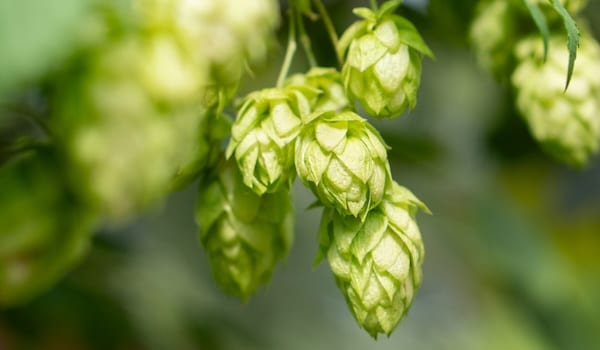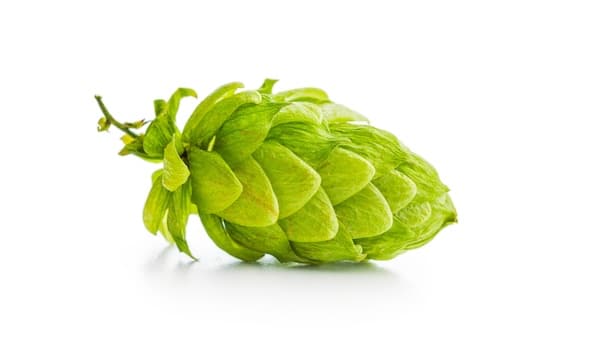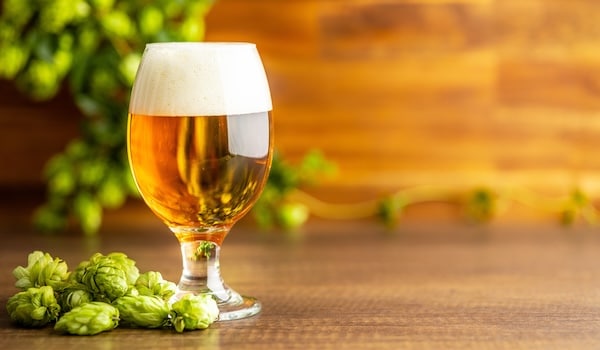

Dry hopping is the process of adding hops directly to beer after the boil — during or after fermentation — without heat. Because no boiling is involved, the aromatic compounds in the hops are preserved rather than driven off by heat, resulting in intensely fruity, floral, or resinous hop aromas in the finished beer. It’s the technique behind the incredible tropical aromas in modern NEIPAs and West Coast IPAs.
The name is a bit misleading. Nothing is actually dry — it’s called “dry” hopping to distinguish it from adding hops to the boiling wort, which is the “wet” or “hot-side” process. But the terminology is embedded in brewing culture now, so “dry hopping” it is.
Why Dry Hop? What It Does to Beer
Hops added to the boil serve two purposes: bitterness (from isomerized alpha acids) and some flavor. But boiling also destroys the most volatile aromatic compounds — the ones responsible for tropical fruit, citrus, floral, and pine aromas. When you want those aromas in the finished beer, you need to add the hops without heat.
Dry hopping extracts these volatile compounds — primarily myrcene, linalool, and geraniol — into the beer at cold or room temperatures where they’re stable enough to survive. The result is hop aroma that’s fresh, vibrant, and expressive in a way that boil additions can’t produce. A NEIPA dry hopped with 8 oz of Citra and Galaxy per 5 gallons smells like a bowl of tropical fruit. That’s all dry hopping.
Dry hopping adds essentially zero bitterness to a beer. The alpha acids don’t isomerize without heat. So if your IBU calculations look right before dry hopping, they’ll still look right after. The impact is entirely on aroma and flavor — and in modern brewing, that impact can be enormous.
Hot-Side vs. Cold-Side Hop Additions Explained
Understanding where dry hopping fits requires understanding the full spectrum of hop addition timing in the brewing process.
First wort hopping — hops added to the kettle before the wort comes to a boil. Produces a smooth, well-integrated bitterness with some flavor.
60-minute boil additions — the primary bittering charge. Alpha acids fully isomerize over 60 minutes, producing maximum bitterness contribution from each ounce of hops. Most of the aroma is boiled off.
Late boil additions (15–5 minutes) — less bitterness, more flavor. The alpha acids partially isomerize, and some aromatic compounds survive the shorter boil exposure.
Flameout / whirlpool additions — hops added at or just after the boil ends. At temperatures between 160–190°F, isomerization continues slowly while a larger proportion of aromatic compounds are preserved. This is where much of the flavor in modern IPAs comes from.
Dry hopping — hops added to the fermenter during or after fermentation, at temperatures of 60–70°F. No bitterness contribution, maximum aroma. This is the technique this article covers.
When to Add the Dry Hops
Timing matters, and the best approach depends on what you’re brewing and what character you want in the finished beer.
During active fermentation (biotransformation dry hop) — adding dry hops while fermentation is still active (typically when the beer is 50–75% fermented) allows the yeast to interact with hop compounds. This biotransformation converts geraniol — found in varieties like Galaxy and Mosaic — into citronellol, amplifying floral and citrus notes in the finished beer. Good Beer Hunting’s deep-dive on hop biotransformation is worth reading if you want to get into the science. The result is a softer, more integrated hop aroma that’s particularly desirable in NEIPAs. The downside is some potential for CO2 scrubbing of aromatic compounds as fermentation produces gas. Contact time of 3–5 days works well.
After primary fermentation — the traditional approach. Fermentation is complete, the beer has cleared somewhat, and dry hops are added in the cold crash or at cellar temperature. The hops sit for 3–7 days, then the beer is transferred or packaged. You get a cleaner, more distinct hop character than with biotransformation dry hopping, which some brewers prefer — the aroma is more recognizably varietal and less transformed.
Cold-side dry hopping (below 40°F) — hops added after cold crashing. Extraction is slower and less complete at low temperatures, so contact time needs to be longer (5–10 days). The resulting aroma is clean and precise. Some commercial breweries use glycol-chilled dry hopping at very low temperatures specifically for this cleaner character.
How Much to Use
There’s no universal right answer, but here are practical starting points for different styles in a 5-gallon batch.
| Style | Dry Hop Rate (per 5 gal) | Notes |
|---|---|---|
| American Pale Ale | 0.5–1 oz | Subtle aroma enhancement, single variety works well |
| American IPA | 1–2 oz | Noticeable hop presence, 1–2 varieties |
| West Coast IPA | 1.5–3 oz | Bold and resinous, classic American character |
| New England IPA | 3–6 oz | Heavy dry hop is the point — juicy and tropical |
| Double IPA | 2–4 oz | High ABV requires more hops to stand out |
| Hazy Pale Ale | 1.5–3 oz | NEIPA technique at lower gravity |
More is not always better. At very high dry hop rates — particularly with Mosaic — some hop varieties produce grassy, herbal, or catty off-notes that aren’t desirable. Start conservative and scale up over successive batches based on results. Freshness matters too: old or poorly stored hops won’t give you the aroma you’re expecting regardless of rate. For a solid beginner walkthrough of the whole process, VinePair’s homebrewer’s guide to dry hopping covers the practical side well.
Best Hops for Dry Hopping
Not all hop varieties are equally suited to dry hopping. High oil content, specifically high levels of myrcene, linalool, and geraniol, produces the most expressive dry hop character. Here are the varieties most commonly used and what they bring.
- Citra — Tropical citrus and passion fruit. One of the most popular dry hop hops in modern brewing. Punchy and recognizable.
- Galaxy — Passion fruit, peach, and floral notes. Exceptional dry hop character, especially when used during active fermentation with the right yeast.
- Mosaic — Mango, blueberry, and tropical complexity. Excellent in blends; use solo cautiously to avoid herbal notes.
- Simcoe — Passion fruit, pine, and dank earthiness. Great for West Coast IPAs and depth in NEIPA blends.
- Cascade — Grapefruit and floral. The original American pale ale dry hop. Lower oil content means you need a bit more weight, but still highly effective.
- Amarillo — Orange and tangerine. A beautiful dry hop for pale ales and session IPAs where you want citrus without intensity.
For more on how these varieties differ across the full brewing process — not just dry hopping — our complete types of hops guide breaks down every major flavor family. And if you’re ready to go deeper, the dry hopping and double dry hopping guide covers advanced techniques like double dry hopping (DDH) and keg hopping in detail.
Common Dry Hopping Mistakes to Avoid
- Leaving hops in too long — Extended contact times (over 7–10 days) can extract grassiness and harsh vegetal character. Remove the hops or transfer the beer away from them on schedule.
- Dry hopping too warm — Temperatures above 75°F during dry hopping can cause unwanted extraction of tannins and polyphenols. Keep fermentation temps in the normal range during dry hopping or cold crash first.
- Using stale hops — Hops degrade rapidly when exposed to oxygen and warmth. Always use fresh hops stored in sealed, vacuum-packed bags in the freezer. Open and use immediately — don’t store opened hop bags.
- No oxygen control — Splashing or introducing oxygen during dry hopping will oxidize your beer and produce papery, cardboard off-flavors. Use CO2 purging when opening the fermenter and transfer under pressure when possible.
- Adding to a fully fermented, cold-crashed beer without warming up — Hops extract much more slowly at cold temperatures. Either warm the beer to 60–65°F for dry hopping, or extend the contact time to 7–10 days if you’re dry hopping cold.
What Is Dry Hopping FAQ
What is dry hopping in beer?
Dry hopping is the process of adding hops to beer after the boil — during or after fermentation — without heat. Because no boiling is involved, the aromatic compounds in the hops are preserved rather than driven off, resulting in intensely fruity, floral, or resinous hop aromas in the finished beer. It adds aroma but no bitterness. It’s the primary technique behind the incredible aromas in modern NEIPAs and West Coast IPAs.
How long should you dry hop beer?
Most dry hops are left in contact for 3–7 days. Dry hopping during active fermentation: 3–5 days is typical. Dry hopping after fermentation at room temperature: 4–7 days. Cold-side dry hopping (below 40°F): 5–10 days, since colder temperatures slow extraction. Beyond 10 days, you risk extracting grassiness and vegetal off-flavors regardless of the hop variety.
Does dry hopping add bitterness?
No. Dry hopping adds essentially zero bitterness to beer. Alpha acids — the compounds that produce bitterness — only isomerize (transform into the bittering compounds iso-alpha acids) when heated to boiling temperature. At fermentation or cold temperatures, isomerization doesn’t happen. The impact of dry hopping is entirely on aroma and flavor, not IBU.
What hops are best for dry hopping?
The best hops for dry hopping are high-oil aroma varieties: Citra (tropical citrus), Galaxy (passion fruit, peach), Mosaic (mango, blueberry), Simcoe (pine, tropical dankness), Amarillo (orange, tangerine), and Cascade (grapefruit, floral). High myrcene and geraniol content produces the most expressive dry hop character. For NEIPAs, Galaxy, Citra, and Mosaic are the go-to choices.
What is the difference between dry hopping and regular hopping?
Regular hopping refers to adding hops to the boiling wort, which produces bitterness and some flavor. Dry hopping means adding hops to the fermenter after the boil, at cold or room temperature, without heat. Regular hops contribute bitterness (IBU); dry hops contribute aroma and flavor but no bitterness. Most modern hop-forward beers use both: hot-side additions for bitterness and balance, dry hops for the intense fresh aroma.
Sign Up for Our Newsletter