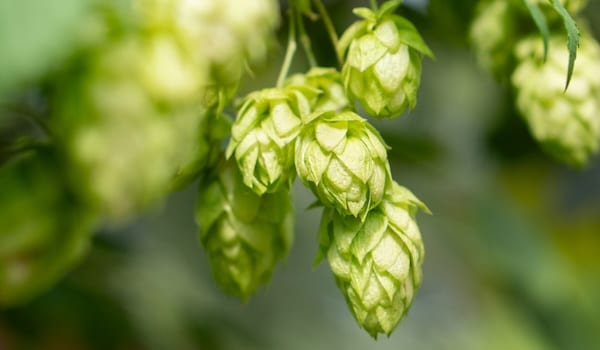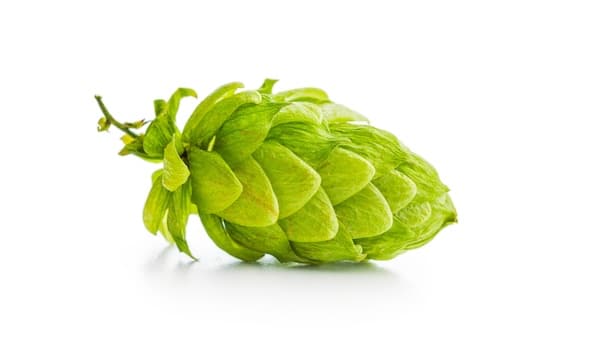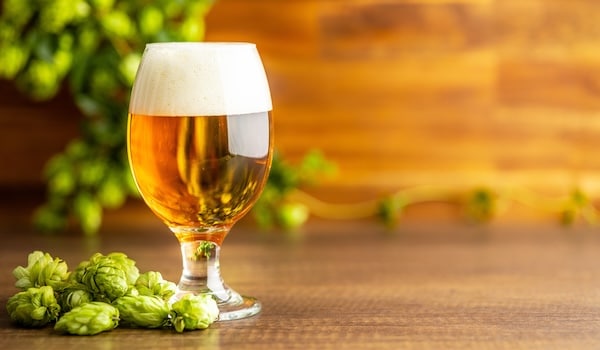

New Zealand hops are a category unto themselves in the world of craft brewing. Grown in the Nelson and Marlborough regions of New Zealand’s South Island, NZ varieties have an essential oil composition unlike anything produced in the US, Germany, or the Czech Republic — the result of unique soil, climate, and decades of independent hop breeding programs. The flavors are tropical, fruity, sometimes wine-like, and instantly identifiable as something different.
Nelson Sauvin changed the conversation when it arrived on the international market in the early 2000s. No hop had ever tasted quite like it — white wine, gooseberry, passion fruit, tropical fruit — and the craft beer world took notice. Since then, New Zealand’s hop breeding programs have produced a string of exceptional varieties that have become some of the most sought-after in global brewing.
Why New Zealand Hops Taste Different
New Zealand’s hop-growing regions are centered around Nelson and nearby Motueka — areas with long, warm days during the growing season, well-drained soils, and high UV exposure. The combination of these growing conditions and the independent genetic lines developed by the New Zealand Institute for Plant and Food Research produces hops with very different essential oil profiles from northern hemisphere varieties.
Specifically, many NZ varieties have elevated levels of thiol compounds — the same aromatic molecules responsible for tropical fruit character in Sauvignon Blanc wine. Nelson Sauvin is named for this — it’s essentially saying “this hop smells like Sauvignon Blanc.” These thiol-driven compounds produce passion fruit, guava, gooseberry, and tropical fruit notes that make NZ hop terroir genuinely unique — something American and European hops, with their myrcene- and linalool-dominated profiles, simply can’t replicate.
The NZ hop industry is also relatively small by global standards. That means NZ varieties are often harder to source outside their home country, can be more expensive, and sometimes have limited availability in Northern Hemisphere markets. But when you can get them, they’re genuinely unique.
Key New Zealand Hop Varieties
Nelson Sauvin
The iconic NZ variety and the one that put New Zealand hops on the global map. Nelson Sauvin has a distinctive white wine and tropical fruit character — gooseberry, passion fruit, lychee, and a winey quality that immediately reads as different from any American or European hop. Alpha acids of 12–13% make it dual-purpose, though most brewers use it for aroma work where its unique character can shine.
Nelson Sauvin is divisive in a way that most great hops aren’t — some drinkers find the wine/gooseberry character fascinating, others find it unfamiliar and off-putting. In the right recipe with the right malt base, it’s extraordinary. In the wrong context, it can feel out of place. It works best in light-bodied beers — pale ales, session IPAs, modern Pilsners — where nothing overwhelms its delicate complexity.
Motueka
Named for the Motueka region of the Nelson province, Motueka is a more approachable NZ variety than Nelson Sauvin. Its character is lime, tropical fruit, and a pleasant lemony note — closer in personality to a European hop than Nelson Sauvin, but with a brightness and citrus character that’s distinctly New Zealand. Alpha acids of 6.5–7.5% put it in the moderate range.
Motueka’s lime and citrus character makes it exceptionally versatile. It works in everything from German-inspired Pilsners (the lime gives a brightness European noble hops don’t have) to session IPAs, pale ales, and wheat beers. If you’re starting with NZ hops, Motueka is often the most accessible entry point.
Riwaka
Riwaka (pronounced REE-wah-kah — a town in the Nelson region) is possibly the most intensely aromatic of all NZ varieties. Its defining character is grapefruit and passion fruit, but pushed to an extreme — it’s vibrant, almost electric citrus that stands apart from American grapefruit hops like Cascade. Alpha acids of 5.5–6.5%, making it primarily an aroma hop.
Riwaka is particularly well-suited to session IPAs, pale ales, and anything where you want an intensely citrus-forward hop character without high bitterness. It’s one of the hops most likely to surprise experienced craft beer drinkers the first time they encounter it — the grapefruit intensity is exceptional and unlike anything the US or Europe produces.
Pacific Gem
A high-alpha NZ variety (14–16%) with blackberry, oak, and a mild floral character. Pacific Gem is NZ’s premier bittering hop — not the aromatic showcase that Nelson Sauvin or Riwaka are, but excellent for producing clean, firm bitterness in any style where NZ character is appropriate. The subtle blackberry note in late additions is an interesting bonus.
Green Bullet
Another high-alpha NZ variety (11–14%), Green Bullet produces a resinous, slightly spicy character with some fruity undertones. It’s been used in New Zealand commercial brewing for decades and is the workhorse bittering hop in many NZ craft breweries. Less distinctive than the aroma varieties but a reliable performer for kettle additions.
Wai-iti
A newer NZ variety with peach and citrus character — softer and more delicate than Nelson Sauvin, with less of the white wine character. Wai-iti is excellent in pale ales and lighter IPAs where you want NZ tropical character without the polarizing wine quality. Alpha acids around 3–4% make it primarily an aroma hop.
New Zealand Hop Brewing Stats Comparison
| Variety | Alpha Acids | Character | Best For |
|---|---|---|---|
| Nelson Sauvin | 12–13% | White wine, gooseberry, passion fruit | Pale ale, session IPA, craft Pils |
| Motueka | 6.5–7.5% | Lime, citrus, tropical | Versatile — pilsner, pale ale, wheat |
| Riwaka | 5.5–6.5% | Grapefruit, passion fruit, intense citrus | Session IPA, pale ale, APA |
| Pacific Gem | 14–16% | Blackberry, oak, floral | Bittering in any NZ style |
| Green Bullet | 11–14% | Resinous, spicy, fruity | Bittering workhorse |
| Wai-iti | 3–4% | Peach, lime, delicate citrus | Pale ale, lighter IPA |
Best Beer Styles for New Zealand Hops
- Pale Ale — Nelson Sauvin, Motueka, and Riwaka all work brilliantly in pale ales. The lighter malt profile lets the tropical and citrus character of NZ hops come through without interference.
- Session IPA — The lower ABV of session IPAs means malt doesn’t overwhelm the hop character. Riwaka and Nelson Sauvin at late additions and dry hop produce sessionable beers with extraordinary aroma.
- Modern Pilsner / Italian Pilsner — Motueka is one of the best hops for craft Pilsner — the lime and citrus character adds brightness that traditional noble hops lack, while still playing nicely with the clean lager base. Nelson Sauvin in late additions to a Pilsner is surprisingly excellent.
- New Zealand IPA — A growing style category that’s essentially the New Zealand equivalent of American IPA — hop-forward, bitter, typically using NZ varieties throughout. Nelson Sauvin, Riwaka, and Pacific Gem together are a classic combination.
- Wheat Beer — Motueka’s lime and tropical character pairs beautifully with the softer, bready character of wheat beers. A great addition to a New Zealand or Australian-style wheat beer.
- Sour Beer / Gose — The tropical fruit character of NZ hops amplifies fruit-forward sour beers, particularly those with citrus or tropical fruit additions.
Top Commercial Beers Using New Zealand Hops
- Panhead Supercharger APA — Panhead Custom Ales (New Zealand) — A flagship New Zealand pale ale built around Nelson Sauvin. One of the most celebrated beers in the New Zealand craft scene and an excellent showcase for what NZ hops can do in a well-built pale ale.
- 8 Wired Hopwired IPA — 8 Wired Brewing (New Zealand) — A bold NZ IPA that uses multiple local hop varieties. If you want to understand what distinguishes NZ-hopped IPAs from their American counterparts, this is a good place to start.
- Mikkeller Nelson Sauvin Single Hop IPA — Mikkeller Brewing (Denmark) — Mikkeller’s single-hop series dedicated to Nelson Sauvin. A focused showcase of the variety in isolation, without other hops competing for attention. Widely distributed internationally.
- Two Birds Taco Lager — Two Birds Brewing (Australia) — An Australian craft lager that uses Motueka, showing how NZ varieties work in cleaner, lighter-bodied styles where the citrus character can be more delicate.
How to Brew With New Zealand Hops
NZ hops generally follow the same technical guidelines as other high-aroma varieties — flameout and whirlpool additions preserve the volatile aromatics best, dry hopping brings the tropical fruit character forward. A few specific notes:
Nelson Sauvin: Use sparingly at first. Its wine and gooseberry character is intense and can dominate a beer if overused. 0.5–1 oz at flameout in a 5-gallon pale ale is a good starting point. Pair with Motueka or a neutral bittering hop rather than another intensely flavored variety.
Motueka: Versatile and forgiving. Works at all addition points — bittering, late additions, and dry hop. The lime and citrus character pairs well with lager yeast strains, which is why it’s a go-to for craft Pilsner recipes.
Riwaka: Best used at flameout and as a dry hop where the grapefruit intensity can be preserved. The delicate compounds that make Riwaka special are boiled off quickly at higher temperatures, so keep it out of 60-minute bittering additions.
For more on how New Zealand hops fit into the broader hop variety landscape, our complete types of hops guide covers everything from noble European varieties to modern American and Southern Hemisphere hops. And if you’re dry hopping with NZ varieties, our guide to dry hopping has the timing and technique details you need.
New Zealand Hops FAQ
What are New Zealand hops known for?
New Zealand hops are known for their unique tropical fruit, citrus, and white wine character — flavors distinct from both American and European hop varieties. The most famous NZ variety, Nelson Sauvin, produces gooseberry, passion fruit, and white wine aromas derived from elevated thiol compounds in the essential oil profile. New Zealand’s growing conditions and independent breeding programs produce varieties that are genuinely unlike anything grown elsewhere.
What is the most popular New Zealand hop?
Nelson Sauvin is the most internationally famous New Zealand hop variety. Its distinctive white wine, gooseberry, and passion fruit character made it famous outside New Zealand in the late 2000s and early 2010s. Motueka is arguably more widely used within the NZ craft beer industry due to its broader versatility and more approachable lime-citrus character.
Where are New Zealand hops grown?
New Zealand hops are grown primarily in the Nelson and Marlborough regions of New Zealand’s South Island, particularly around the towns of Nelson, Motueka, and Riwaka — all reflected in variety names. The region has a warm, dry growing season with well-drained alluvial soils and high UV exposure, producing hops with a unique essential oil composition that distinguishes them from northern hemisphere varieties.
What does Nelson Sauvin taste like?
Nelson Sauvin has a distinctive white wine, gooseberry, passion fruit, and tropical fruit character. The “Sauvin” in the name is a reference to Sauvignon Blanc — the wine grape — because the hop’s aroma is genuinely reminiscent of the wine. It’s unlike any American or European hop variety and can be divisive: drinkers who love it find it fascinating and complex; those less familiar with it may find the white wine character unexpected.
Can I substitute New Zealand hops with American varieties?
You can substitute but not replicate. For Motueka (lime, citrus): Hallertau Blanc is a reasonable substitute for its lime-tropical character. For Nelson Sauvin (white wine, gooseberry): there’s no close substitute — Citra or Galaxy get you tropical fruit but lack the wine/gooseberry quality. For Riwaka (intense grapefruit): Citra or Amarillo are the closest American equivalents, though less intense.
Sign Up for Our Newsletter