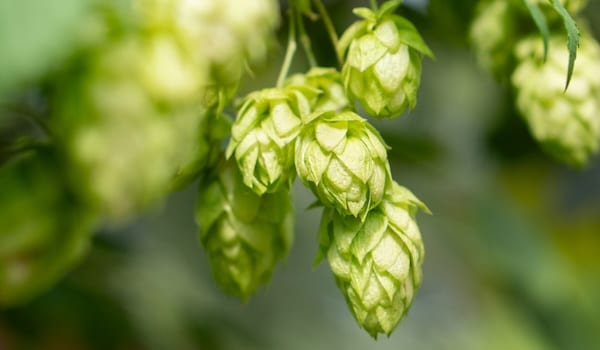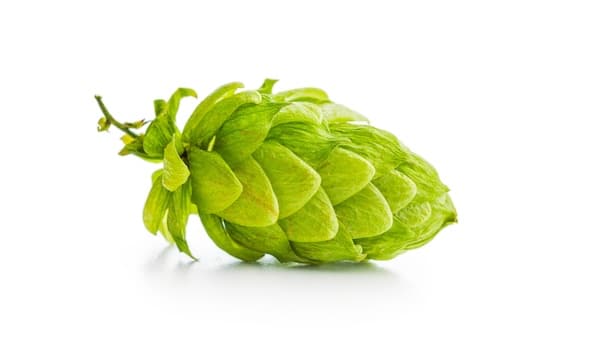

Noble hops are four traditional European hop varieties — Saaz, Hallertau Mittelfrüh, Tettnanger, and Spalt — distinguished by their low alpha acids, high myrcene oil content, and the spicy, herbal, floral character that defines classic European lagers and pilsners. They’ve been cultivated in specific regions of Germany and the Czech Republic for centuries, and the combination of their genetics and growing terroir produces an aroma profile that no other hop variety can fully replicate.
They’re not flashy. There’s no tropical fruit, no mango, no dank pine. Noble hops are subtle, clean, and elegant — the kind of ingredient that makes you notice when it’s done well and notice its absence when it’s missing. If you’ve ever had a great Czech pilsner or a Munich Helles and thought, “What IS that delicate spicy note?” that’s Saaz or Hallertau doing exactly what they’ve been doing for hundreds of years.
The 4 Noble Hop Varieties
The term “noble hops” refers specifically to these four varieties. No others qualify, regardless of how traditional or European they might be.
Saaz (Žatec)
Grown in the Žatec region of Bohemia (now the Czech Republic), Saaz is the hop that defines Czech pilsner — and arguably the single most important hop in the history of lager brewing. The town of Žatec (called “Saaz” in German) has been growing hops since the 13th century, and the combination of the local climate, soil, and the variety itself produces something that Saaz grown elsewhere can’t quite match.
Saaz has delicate, spicy, earthy character — often described as herbal with a faint peppery quality. In a Czech pilsner at full dose, it’s immediately recognizable. Pilsner Urquell uses it exclusively, and that soft, herbal bitterness with a clean dry finish is a direct result. Alpha acids are very low (2–5%), making it useful almost exclusively as an aroma hop.
Hallertau Mittelfrüh
The Hallertau region of Bavaria is the largest hop-growing area in the world, and Hallertau Mittelfrüh is its most celebrated variety. “Mittelfrüh” means “middle-early” in German, referring to its harvest timing relative to other varieties. It’s the hop behind Munich Helles, traditional German lagers, and many of the classic Bavarian styles that have shaped how the world thinks about lager beer.
Hallertau Mittelfrüh has a soft, floral character — mild and almost delicate, with a clean bitterness that integrates seamlessly into well-lagered beer. It’s harder to source than Saaz because the Mittelfrüh crops are smaller and more prone to disease, which is why many traditional German lager recipes now use modern Hallertau descendants (Hallertau Tradition, Hallertau Blanc) that are more disease-resistant while approximating the original character.
Tettnanger
Grown around the town of Tettnang in the Lake Constance region of Baden-Württemberg, Tettnanger is very similar in character to Saaz — spicy, herbal, fine-boned. The two varieties share genetic heritage, and their profiles overlap significantly, which is why Tettnanger is one of the most common Saaz substitutes when Czech-grown Saaz is unavailable or out of budget.
Tettnanger is slightly more floral than Saaz with a little more citrus character, but the differences are subtle enough that only experienced tasters can reliably distinguish them in finished beer. Alpha acids sit at 3–6%, keeping it firmly in the aroma/dual-purpose category for low-bitterness styles.
Spalt
Grown in the Spalter region of Franconia, Bavaria, Spalt is the least well-known of the four noble hops outside Germany, but it has Protected Geographical Indication (PGI) status — like Saaz — which means only hops grown in the designated Spalt region can use the name. The variety has been cultivated there since at least the 14th century.
Spalt’s character is fine, mild, and spicy — similar to the other noble varieties but with a slightly more distinct herbal quality. It’s the hop of choice for traditional Franconian lagers, which tend to be softer and less bitter than their Bavarian and Czech counterparts. Alpha acids of 3.5–6.5%.
Noble Hop Brewing Stats Comparison
| Variety | Origin | Alpha Acids | Cohumulone | Character |
|---|---|---|---|---|
| Saaz | Czech Republic (Žatec) | 2–5% | 23–26% | Spicy, herbal, earthy |
| Hallertau Mittelfrüh | Germany (Bavaria) | 3–5.5% | 18–28% | Floral, mild, clean |
| Tettnanger | Germany (Baden-Württemberg) | 3–6% | 22–28% | Spicy, herbal, slightly floral |
| Spalt | Germany (Franconia) | 3.5–6.5% | 25–30% | Mild, spicy, herbal |
What Makes Noble Hops Different?
Three things set noble hops apart from modern American and Southern Hemisphere varieties.
Low alpha acids (2–6%) — Noble hops are not high-alpha bittering varieties. You can’t use them efficiently for bitterness because you’d need enormous quantities to hit IPA IBU targets. They’re aroma hops first, bittering hops only for low-bitterness styles like Helles, Kölsch, and traditional pilsner.
Low cohumulone — Cohumulone is the alpha acid compound associated with sharper, more aggressive bitterness. The BJCP describes noble hops as having a slightly peppery or woody spiciness — and that clean character comes directly from their low cohumulone levels, which produce smooth, well-integrated bitterness in well-made traditional lagers. Never harsh, never sharp.
Terroir matters — Unlike most agricultural products, the specific growing location of noble hops makes a measurable difference to their character. Saaz grown in Žatec and Saaz grown in the US Yakima Valley will have different essential oil compositions because of differences in soil, climate, and day length — which is part of what separates Old World from New World hop character. This is why traditional Czech breweries guard their Žatec Saaz allocations and why “American Saaz” is a genuinely different product. It’s similar to the way Champagne is distinct from other sparkling wine — the name refers to origin, not just variety.
Best Beer Styles for Noble Hops
- Czech Pilsner — Saaz’s defining application. The spicy, herbal character and clean bitterness are what make Czech pilsner taste like Czech pilsner. Pilsner Urquell, Budvar, and Kozel are all Saaz-forward.
- German Pilsner — Hallertau Mittelfrüh and Tettnanger produce the softer, slightly more floral bitterness that differentiates German Pils from its Czech counterpart. Crisper and drier overall.
- Munich Helles — Noble hops are typically used at low rates in Helles to provide a clean background bitterness that balances the malt-forward character of the style without dominating it.
- Märzen / Oktoberfest — Hallertau Mittelfrüh is the traditional hop for Märzen, where its mild character complements the toasty Munich malt without fighting for attention.
- Kölsch — Light, clean, and slightly hoppy. Noble hops — particularly Tettnanger or Spalt — produce the delicate, fine bitterness that defines the Cologne ale style.
- German Wheat Beer (Hefeweizen) — Used sparingly (8–15 IBU) mostly for balance rather than bitterness. The focus is the yeast character, but noble hops keep it from being cloying.
Noble Hop Substitutes
If you can’t source authentic noble hops, these modern varieties are the closest substitutes:
- Saaz → Czech Saaz is ideal; American-grown Saaz, Tettnanger, or Sterling (US Saaz-derived) are reasonable substitutes.
- Hallertau Mittelfrüh → Hallertau Tradition, Liberty (US Hallertau derivative), or Crystal are common substitutes. Hallertau Tradition is the most similar.
- Tettnanger → Saaz, or US Tettnang (same variety, different terroir — similar character).
- Spalt → Spalter Select, Saaz, or Liberty. Spalt Select is a newer disease-resistant variety bred from Spalt with a very similar character.
Noble hops appear throughout our types of hops guide as the primary example of the European/noble flavor family. If you’re interested in how they fit into the broader world of hop varieties, that’s the place to go.
Noble Hops FAQ
What are the 4 noble hops?
The four noble hops are Saaz (Czech Republic), Hallertau Mittelfrüh (Germany), Tettnanger (Germany), and Spalt (Germany). They are traditional European varieties known for low alpha acids, low cohumulone, and the spicy, herbal, floral character that defines classic lagers and pilsners. No other hop variety qualifies as a “noble hop” regardless of origin or character.
What makes a hop a noble hop?
Noble hops are defined by three characteristics: very low alpha acids (2–6%), low cohumulone (which produces softer bitterness), and high myrcene oil content relative to other oils. They also share a spicy, herbal, floral character and specific European growing regions. The “noble” designation is traditional and refers only to the four classic varieties — Saaz, Hallertau Mittelfrüh, Tettnanger, and Spalt.
Can I use noble hops in an IPA?
You can, but they’re not ideal for it. Noble hops have very low alpha acids (2–6%), so hitting IPA bitterness targets requires very large quantities — expensive and inefficient. Their delicate spicy-herbal character also tends to get buried by the larger amounts of malt and higher fermentation temperatures in ales. That said, a small Saaz addition at flameout in a lighter pale ale or session IPA can add an interesting European character.
What beer uses Saaz hops?
The most famous beer using Saaz hops is Pilsner Urquell — the original Czech pilsner, brewed in Plzeň since 1842. Other notable Saaz-forward beers include Budvar (Czechvar), Stella Artois (historically Saaz-influenced), and countless Czech and German lagers. Saaz is the defining hop of the Czech pilsner style, and its spicy herbal character is immediately recognizable.
What is the difference between noble hops and modern hops?
Noble hops (Saaz, Hallertau Mittelfrüh, Tettnanger, Spalt) are traditional European varieties with low alpha acids, subtle spicy/herbal character, and soft bitterness. Modern American varieties (Citra, Mosaic, Galaxy, Simcoe) are bred for high alpha acids, high aroma intensity, and tropical/citrus flavor. Noble hops are used in lagers and traditional European ales; modern hops dominate IPAs, NEIPAs, and hop-forward craft beer.
Sign Up for Our Newsletter