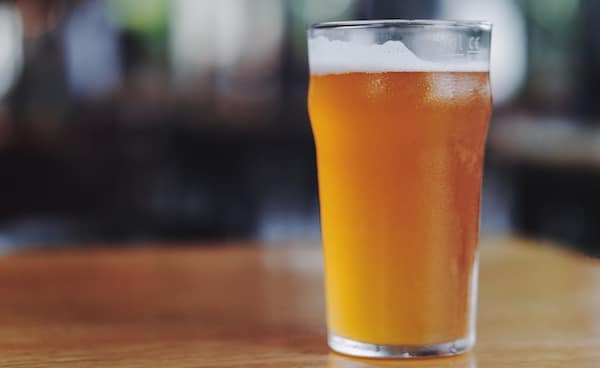

American wheat beer is a light, refreshing ale brewed with a large proportion of wheat in the grain bill, giving it a soft, slightly hazy body and a gentle, approachable flavor. Unlike German wheat beers, it uses a clean American yeast — so there’s no banana or clove. What you get instead is a smooth, easy-drinking beer that works beautifully for newcomers and casual drinkers alike.
If you’ve ever grabbed a Blue Moon or cracked open a Bell’s Oberon on a summer afternoon, you already know what this style is about. It’s not trying to challenge you. It’s not hiding behind big hops or intense roast. American wheat beer is approachable, versatile, and honestly just a little underrated in the craft beer conversation.
That said, there’s more going on here than first glance suggests. The best American wheat beers have real character — soft fruit notes, a clean bready backbone, and a refreshing crispness that puts most mass-market lagers to shame. It’s a style worth knowing, and once you find a good one, you’ll keep coming back to it.
What Makes American Wheat Beer Different?
The key distinction between American wheat beer and its German counterparts — hefeweizen and witbier — is the yeast. German wheat beers use yeast strains that produce those signature banana and clove flavors through fermentation. American wheat brewers deliberately choose neutral, clean yeast instead, which lets the soft wheat character speak for itself without any spice or fruit ester interference.
The grain bill typically runs 30–50% wheat alongside barley malt — a range the BJCP confirms as the defining parameter for the style. That wheat content is what gives American wheat its characteristic soft body and light haze — though some versions are filtered clear. Hops are present but restrained, usually somewhere in the 15–30 IBU range, providing just enough balance without pushing the beer into proper pale ale territory.
The result is a beer that’s genuinely easy — light carbonation, gentle malt, maybe a hint of citrus or bread — without being boring. At 4–5.5% ABV, it’s sessionable enough to drink a few of on a warm afternoon without any consequences you’ll regret the next morning.
How Is American Wheat Beer Made?
Brewing American wheat is fairly straightforward compared to some of the more technical styles out there. Wheat doesn’t have a husk, which can cause issues during lautering (the process of separating the grain from the wort), so many brewers use rice hulls to help the grain bed filter properly. It’s one of those small technical details that never shows up in your glass but matters a lot on brew day.
Fermentation temperatures stay moderate — usually around 60–68°F — which keeps the clean yeast from throwing off any unwanted fruity esters. The whole process is relatively quick, and American wheat doesn’t need extended conditioning. Most versions are ready to drink in 2–3 weeks, which is part of why it’s a popular choice for homebrewers looking for a fast turnaround without sacrificing quality.
Some brewers add fruit — lemon peel, orange, raspberry — to amp up the summer vibe, and that’s where the style bleeds into fruit wheat territory. A raspberry wheat is still an American wheat beer at heart; the fruit just pushes it in a specific direction.
American Wheat vs. Hefeweizen: What’s the Difference?
This is the question that comes up most often, and the answer is simpler than people expect. Both styles use a lot of wheat. Both are hazy (or can be). But hefeweizen is defined almost entirely by its yeast — that German strain that produces the unmistakable banana-and-clove character. Take out that yeast and you no longer have a hefeweizen. You have something much closer to an American wheat.
American wheat is essentially a blank canvas compared to hefeweizen. The yeast stays neutral. The hops can be slightly more forward. The brewer has more room to add adjuncts, fruit, or unusual ingredients without fighting against an assertive yeast character. If you find hefeweizen’s spice a little too much, American wheat is almost certainly going to be your speed.
What Does American Wheat Beer Taste Like?
Think: light bread, soft citrus, a gentle grain sweetness, and clean carbonation. The mouthfeel is slightly fuller than a standard lager because of the wheat proteins, which gives the beer that smooth, almost pillowy texture without any heaviness. There’s usually a hint of cracker or biscuit in the malt, and if the brewer has added hops, you might pick up a faint floral or citrus note.
What you won’t find: big bitterness, roasty flavors, strong yeast character, or anything that requires serious thought to appreciate. That’s not a criticism — it’s the point. American wheat is one of those styles that just gets out of the way and lets you enjoy the moment.
Best American Wheat Beers to Try
These are the bottles worth tracking down. Each one shows a slightly different take on the style, but all deliver on the core promise of soft, refreshing wheat beer done well.
Bell’s Oberon Ale — Michigan’s most beloved seasonal and a genuine benchmark for the style. Oberon is brewed with spicy Saaz hops and a touch of fruity yeast character that sits just this side of hefeweizen without crossing over. Pale golden, slightly hazy, with a hint of orange and fresh grain. When summer arrives, this is the one beer nerds get genuinely excited about every year.
Goose Island 312 Urban Wheat — Named after Chicago’s area code, 312 is one of the most widely distributed American wheat beers in the country. It’s light, clean, and crushable. Good citrus aroma, easy bitterness, and a soft finish. Great starter if you’ve never had the style before.
Lagunitas A Little Sumpin’ Sumpin’ Ale — This one stretches the style a bit. At 7.5% ABV, it’s considerably bigger than most American wheats, with a full body, tropical hop aroma, and that characteristic soft wheat texture pushed way up. It’s more of a session crusher for experienced drinkers than a gentle intro, but it shows what the style can do when the brewer leans into it.
Blue Moon Belgian White — Technically a witbier, but widely associated with American wheat beer culture and worth mentioning because so many people start here. If you’ve had Blue Moon and liked it, you’re already in the right neighborhood. The real craft American wheat beers will show you what that direction looks like with a little more intention behind it.
Sierra Nevada Wheat Beer — Crisp, clean, and classic. Sierra Nevada keeps this one straightforward: soft wheat malt, light hops, clean finish. Nothing flashy, just dependably good. You’ll find it on tap at countless bars across the country, which says something about how well it holds up.
When and How to Drink American Wheat Beer
This is a summer beer by nature, though it drinks well year-round. Our roundup of the best spring and summer wheat beers covers the top seasonal picks if you want to go deeper on the category. It’s one of the best options for outdoor events — it’s light enough not to overwhelm in the heat, but flavorful enough that you’re not just drinking fizzy water. If you’re hosting a backyard gathering and need something that works for everyone from the dedicated craft drinker to the person who normally reaches for a Bud Light, American wheat is your answer.
Serve it cold — around 38–45°F — in a pint glass or a weizen vase if you want to lean into the presentation. A lemon wedge on the rim is optional, but popular, and it does work nicely with the wheat and citrus character. Food pairings are wide open: salads, grilled fish, tacos, light pasta, chicken. The style doesn’t fight with food, which makes it one of the most versatile beers at the table.
You can find out more about food and beer pairing in our guide to how beer tastes — understanding the flavor foundations makes matching beer with food a lot more intuitive.
Frequently Asked Questions (FAQ)
How is American wheat beer different from hefeweizen?
The main difference is yeast. Hefeweizen uses a German yeast strain that produces distinctive banana and clove flavors during fermentation. American wheat beer uses a neutral yeast, so those flavors are absent. The result is cleaner and subtler — all the soft wheat body without the spice.
What does American wheat beer taste like?
American wheat beer tastes soft and clean, with flavors of light bread, subtle citrus, and gentle grain sweetness. It has a slightly fuller mouthfeel than a standard lager thanks to the wheat protein, but finishes clean and refreshing without any heaviness or lingering bitterness.
Is American wheat beer good for beginners?
Yes — American wheat beer is one of the best entry points into craft beer. It’s light, smooth, and approachable with no challenging bitterness or intense flavors to navigate. Styles like Bell’s Oberon or Goose Island 312 are widely available and make excellent first craft beers for anyone used to mainstream lagers.
Sign Up for Our Newsletter