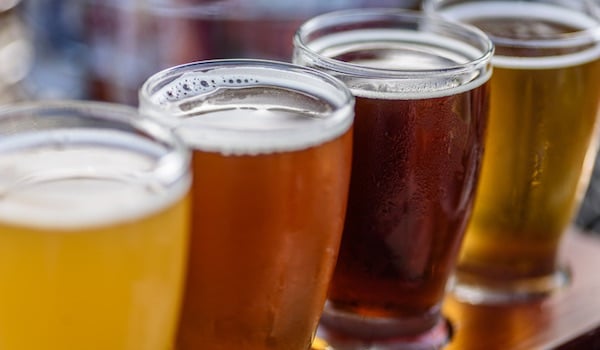
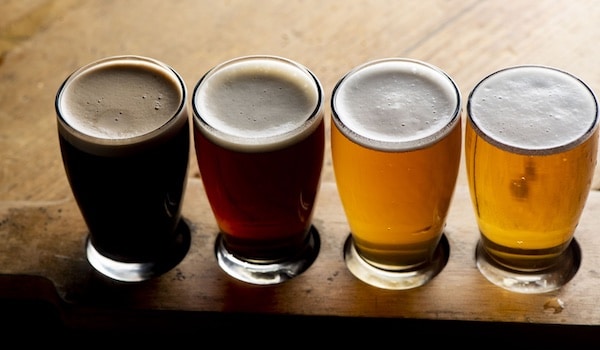
Amber Lager is a bottom-fermented beer with a deep copper color, driven by caramel malt sweetness, a moderate hop bitterness, and a clean, dry finish. Sitting between a pale lager and a dark lager in both color and character, it’s more flavorful than a standard lager without the roasty weight of a stout — sessionable, food-friendly, and consistently one of the most underrated styles in craft beer.
There’s a good chance the first craft beer you ever genuinely liked was an amber lager. Samuel Adams Boston Lager has probably converted more macro drinkers than any other single beer in American history — quietly, without ever being the flashiest thing on the shelf. That’s Amber Lager’s whole thing. It doesn’t chase trends, it doesn’t demand attention, and it delivers. Here’s where it came from, and which ones are worth your time.

What Is an Amber Lager?
Sitting between a pale lager and a dark lager in both color and body, amber lager gets its distinctive copper hue from caramel or crystal malts — the same malts that give it the style’s signature sweetness. The result is noticeably more malt character than a standard lager, but without the roasty heaviness you’d get from a porter or stout.
The style has roots going back to 19th-century Vienna, where brewer Anton Dreher developed what we now call Vienna lager — an amber-colored, malt-forward beer that was unlike anything else being produced in Europe at the time. As CraftBeer.com notes, the style was revolutionary for its use of isolated lager yeast combined with a new malting technique, which produced that distinctive reddish-amber color.
That beer traveled to Mexico with Austrian immigrants, which is a big part of why Mexican amber lagers like Negra Modelo and Dos Equis Amber exist today. American craft brewers picked up the thread in the 1980s and put their own stamp on it, and now amber lager is one of the most well-represented styles across the craft beer market.
What Does Amber Lager Taste Like?
The defining characteristic is malt sweetness — caramel, toasted bread, a little biscuit, sometimes a hint of toffee. It’s warmer and richer than a pale lager but nowhere near as heavy as a stout. Hops are present enough to keep things balanced, with a moderate bitterness that gives the finish some dryness without ever dominating the flavor. Most amber lagers land between 18 and 30 IBU, which puts them comfortably above a blonde ale but well below a typical IPA.
Because it’s a lager, the fermentation is clean and cold — no fruity esters, no yeast-driven complexity. What you taste is almost entirely the malt. And because amber lager tends to sit around 4.5 to 5.5% ABV, it’s sessionable in a way that a lot of craft styles simply aren’t. It’s the kind of beer you can drink a few of without overthinking it, which is exactly what makes it so dependable.
Amber Lager: Quick Stats
- Color: Amber to copper (SRM 8–14)
- ABV: 4.5–5.5%
- IBU: 18–30 (moderate bitterness)
- Aroma: Caramel malt, toasted bread, mild hops
- Taste: Malt sweetness upfront, caramel, biscuit, dry hop finish
- Mouthfeel: Medium body, moderate carbonation, smooth
How Is Amber Lager Made?
The malt bill is what sets amber lager apart from its paler cousins. Brewers start with a base of pale malt and add varying amounts of caramel or crystal malt — the deeper the color, the more caramel malt is in the mix. Some recipes also include a small amount of Munich malt for extra toasty depth, or a touch of chocolate malt to push the color toward the darker end of amber without adding much roast flavor.
Hops are typically added for bitterness and a light floral or herbal aroma, but they’re not the focus. Noble hop varieties like Saaz or Hallertau are common in traditional European versions, while American craft brewers often use domestic varieties that lean slightly citrusy. Either way, the hops are there to balance, not to lead.
From there, the process is standard lager brewing — fermentation at cold temperatures with bottom-fermenting yeast, followed by a lagering period that smooths everything out. If you want to go deeper into how that process works, our guide to the beer fermentation process covers it in detail. The result is a clean, malt-focused beer where the caramel character has room to shine without any competing flavors muddying the picture.
Vienna Lager vs Märzen: What’s the Difference?
Both styles sit in the amber lager family, and both come out of the same Central European brewing tradition, so the confusion is understandable. But there are real differences once you taste them side by side.
Vienna Lager is the leaner of the two — lighter in body, drier on the finish, with the caramel malt character present but restrained. It’s built for drinkability. The BJCP’s official Vienna Lager style guidelines describe it as finishing “fairly dry and soft” with a “rich malt and hop bitterness” in the aftertaste — useful if you want to judge how closely any particular example sticks to the traditional profile.
Märzen (which you’ll also see labeled as Oktoberfest) runs richer and fuller-bodied, with deeper malt sweetness and a slightly higher ABV, usually in the 5.5 to 6% range. Märzen was traditionally brewed in March and lagered through summer for the Oktoberfest celebrations in autumn — that longer conditioning time contributes to its fuller, more developed malt profile.
American amber lagers tend to land somewhere between the two, borrowing the drinkability of Vienna lager and adding a little of the sweetness you’d find in a Märzen. It’s a broad category, which is part of what makes it so interesting to drink across. For a deeper look at where these styles fit in the bigger picture, our guide to German beer types is a good place to start.
Amber Lager vs Amber Ale: Not the Same Thing
Similar color, very different beer. Amber ale is top-fermented, which means it goes through a warmer fermentation with ale yeast — and that yeast adds its own fruity, estery character to the flavor. You’ll often get caramel and toffee in an amber ale, too, but layered with more complexity from the yeast.
Amber Lager is cleaner and crisper. The cold lager fermentation strips out yeast-driven flavors, so what you taste is almost entirely malt. If you want to understand exactly what separates lagers from ales at a brewing level, our breakdown of the difference between lager and ale covers it well.
The Best Amber Lagers to Try
Amber Lager has both a long heritage and a strong craft presence, which means there are genuinely excellent options at every price point. These are the ones worth tracking down.
Samuel Adams Boston Lager — Boston, USA
The OG of American craft amber lager, and still one of the best. Boston Lager uses a blend of two-row malt and Caramel 60 for its amber color and sweetness, with Hallertau Mittelfrueh hops giving a floral, spicy balance to the caramel backbone. It’s been around since 1984 and is widely available nationwide — but don’t let the familiarity fool you into thinking it’s not still a great beer. It’s one of the most technically consistent craft lagers on the American market.
Brooklyn Lager — Brooklyn, USA
Brooklyn Brewery’s flagship is a slightly hoppier take on the American amber lager, with more of a dry-hopped aroma than you’d typically expect from the style. The caramel malt is there, but it’s balanced by a herbal, floral hop character that gives it a little extra personality. Clean finish, easy to drink, and available at most bottle shops and supermarkets across the country. A solid everyday option.
Alaskan Amber — Juneau, USA
One of the more underrated amber lagers in American craft brewing, Alaskan Amber is modeled after the old-time “Alt” style beers that were popular in the Pacific Northwest at the turn of the 20th century. It’s rich and malty with notes of caramel and a touch of smokiness that sets it apart from more straightforward Vienna-style versions. Worth seeking out if you want something with a bit more depth.
Devil’s Backbone Vienna Lager — Virginia, USA
If you want a textbook example of what a well-made American Vienna lager looks like, Devil’s Backbone is one of the best in the country. Soft caramel malt, a dry and clean finish, and a balance that makes it genuinely hard to stop at one. It’s won more awards than most people realize, and it’s a go-to recommendation for anyone who says they don’t like lagers.
Dos Equis Amber — Mexico
A direct descendant of the Vienna lager tradition that Austrian immigrants brought to Mexico in the 1800s, Dos Equis Amber is richer and more malt-forward than the green-label Lager that most people associate with the brand. Caramel sweetness, mild hops, clean finish — it’s the most widely available Vienna-style lager in the US and a solid option when you want something approachable and affordable. Better cold, with food.
Great Lakes Eliot Ness — Cleveland, USA
Named after the Prohibition-era lawman, Eliot Ness is a Vienna-style amber lager that Great Lakes has been producing since 1995. It’s fuller-bodied than most in the style, with a generous caramel malt character and enough hop bitterness to keep the sweetness from getting cloying. One of the best craft amber lagers in the Midwest, and well worth finding if you’re in the region.
What Food Pairs Well With Amber Lager?
The malt sweetness and moderate bitterness of amber lager make it one of the more versatile food beers out there. It has enough body to stand up to richer dishes but not so much that it overwhelms lighter fare.
- Burgers and grilled meat: The caramel malt mirrors the char on grilled beef beautifully — this is probably Amber Lager’s best pairing
- BBQ: Pulled pork, brisket, ribs — the sweetness in the beer plays well against smoky, saucy flavors
- Mexican food: Tacos, enchiladas, carnitas — not surprising given the Mexican amber lager tradition
- Roasted chicken or pork: The toasty malt character bridges nicely with roasted meat flavors
- Mild to medium cheeses: Gouda, Monterey Jack, mild cheddar — nothing too sharp or pungent
- Pizza: Especially anything with a tomato base and plenty of cheese
It’s also a good match for dishes with a little sweetness — teriyaki, honey-glazed ribs, caramelized onions. The malt in the beer amplifies those flavors rather than fighting them. If you’re used to reaching for a pale ale with dinner, try swapping it for an amber lager — you might be surprised how well it works.
Why Amber Lager Deserves More Credit
Amber Lager sits in an interesting spot in craft beer right now. It doesn’t have the hype of a double IPA or the novelty of a pastry stout, and it’ll never be the most talked-about beer at a bottle share. But it consistently delivers — clean, balanced, malt-forward, and genuinely easy to drink across a wide range of situations. A lot of aficionados who’ve been through every trend in craft beer end up circling back to well-made amber lagers because the fundamentals are just right.
If you’re new to the style, Samuel Adams or Dos Equis Amber are the most accessible starting points. If you want something a step up, Devil’s Backbone Vienna Lager and Great Lakes Eliot Ness are both worth going out of your way for. And once you’ve found a version you like, it tends to become a permanent part of the rotation — the kind of beer you keep coming back to when you want something reliable and satisfying rather than challenging.
For more on what separates different lager styles from one another, our guide to dunkel beer is a good next read.
Amber Lager FAQ
What is the difference between amber lager and amber ale?
Amber lager is bottom-fermented at cold temperatures using lager yeast, which produces a clean, malt-focused flavor. Amber ale is top-fermented with ale yeast at warmer temperatures, adding fruity and estery notes that lager yeast doesn’t produce. Similar color, noticeably different character.
Is Samuel Adams an Amber Lager?
Yes — Samuel Adams Boston Lager is widely regarded as the definitive American amber lager. It’s brewed in the Vienna lager tradition and has been one of the best examples of the style since its release in 1984.
Is Amber Lager bitter?
Moderately. Amber lager typically runs between 18 and 30 IBU, which gives the finish a pleasant dryness without making the beer bitter-forward. Malt sweetness is the dominant flavor, with hops playing a balancing role rather than leading the charge.
What’s the difference between Vienna lager and Märzen?
Vienna Lager is leaner and drier, built for everyday drinking. Märzen is richer and fuller-bodied, with deeper malt sweetness and a slightly higher ABV — it was traditionally brewed for Oktoberfest. Both sit in the amber lager family, but Märzen has more weight to it.
How strong is Amber Lager?
Most amber lagers sit between 4.5% and 5.5% ABV, making them a sessionable choice for a style with real malt character. You get a full-flavored beer without anything approaching the strength of a Double IPA or imperial stout.
Join the Craft Beer Me Community
Got an amber lager you think deserves more attention? Share it with the group. The Craft Beer Me Facebook group is the place to swap recommendations and talk through what’s worth drinking — whether that’s a classic Vienna lager or the latest craft release. And for style guides, brewery picks, and homebrewing content delivered straight to your inbox, sign up for the Craft Beer Me newsletter at the bottom of the page.
Sign Up for Our Newsletter