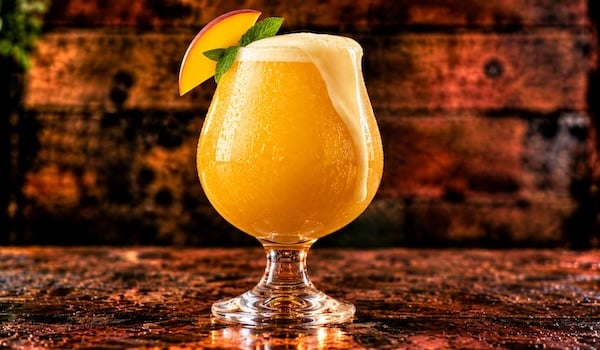

A fruited sour beer is exactly what it sounds like — a tart, acidic beer brewed with real fruit, where the sourness and the fruit punch together instead of fighting each other. The result is something genuinely different from any other beer style: bright, refreshing, and loaded with flavor in a way that even people who claim they don’t like beer tend to enjoy.
Sour beers have been around for centuries, but fruited versions have exploded in the last decade. Breweries across the country are now adding everything from mango and passion fruit to blackberry and blood orange to their kettle sours and Berliner weisses — and the results range from crushable summer drinks to serious, complex ales that reward slow sipping.
If you’ve been curious about this style but weren’t sure where to start, you’re in the right place. Here’s everything you need to know about fruited sours — what they are, how they’re made, and the best ones to get your hands on.
What Makes a Sour Beer Sour?
The tartness in sour beer comes from lactic acid, produced by bacteria during fermentation. In most beer styles, brewers go to great lengths to keep those bacteria out. In sour beer, they’re invited in.
The most common method today is kettle souring — adding Lactobacillus bacteria to the wort before boiling, letting it ferment briefly to drop the pH, then boiling it to kill the bacteria and continue with normal fermentation. It’s efficient and produces a clean, consistent tartness. The Homebrewers Association notes that strain choice matters a lot — different Lactobacillus species vary in how much perceived sourness they produce, which is why the same style can taste quite different across breweries. Older methods — spontaneous fermentation, oak aging with wild yeast and bacteria — take much longer but can produce more layered, complex results.
The fruit comes in after fermentation, usually added to the conditioning tank. That late addition keeps the fruit flavors bright and fresh rather than cooked or muted. It also means what you’re tasting is real fruit character, not extract or flavoring — which is why a good fruited sour tastes so vivid.
What Does a Fruited Sour Taste Like?
The first thing you notice is the tartness — an immediate, mouthwatering acidity that wakes up your palate. It’s sharp but not harsh. Think lemonade or green apple candy, not vinegar. Then the fruit hits: juicy, bright, and surprisingly true-to-life. A raspberry fruited sour should genuinely taste like raspberries, not raspberry-flavored candy.
Most fruited sours are on the lighter end of the alcohol spectrum — usually 4–6% ABV — which keeps them refreshing and easy to drink. The body is typically light to medium, with a clean finish that makes you want another sip immediately. Bitterness is basically nonexistent. This style is all about acidity and fruit, not hops.
Common fruit additions you’ll see:
- Raspberry and strawberry — classics that pair naturally with lactic tartness
- Mango and passion fruit — tropical and punchy, especially popular in summer releases
- Blueberry and blackberry — deeper, earthier fruit character with striking color
- Peach and apricot — stone fruit sweetness that softens the acidity beautifully
- Blood orange and yuzu — citrus additions that amp up the brightness
- Pineapple and guava — tropical options that push into smoothie sour territory
Fruited Sour vs. Smoothie Sour: What’s the Difference?
You’ll see both terms used, and they’re related but not identical. A fruited sour is the broader category — any tart beer with fruit added. A smoothie sour is a specific sub-style: thicker, milkier, and much heavier on the fruit additions to the point where it genuinely resembles a drinkable dessert. Smoothie sours often include lactose (milk sugar) to add sweetness and body, pushing the texture into pudding-thick territory.
If you want something crushable and refreshing, a standard fruited sour is your move. If you want something that basically eats like dessert and happens to be alcoholic, a smoothie sour is where to look. Both have their place — and honestly, both are worth trying.
Base Styles Used in Fruited Sours
Brewers use a few different base styles to build fruited sours. Knowing which is which helps you predict what you’re getting.
Berliner Weisse: A traditional German wheat ale, lightly tart and highly carbonated. It’s the go-to base for refreshing, sessionable fruited sours. You’ll see this listed on plenty of cans — if it says “Berliner Weisse” or “Berliner-style,” expect something light and breezy. The BJCP classifies fruited versions of Berliner Weisse under Category 29: Fruit Beer, which tells you something about how central fruit additions have become to these styles. The ale fermentation process keeps things clean and quick.
Gose (pronounced go-zuh): Also German, but with a slight saltiness and often coriander in the grain bill. The salt actually amplifies fruit flavors in a way that’s hard to explain until you taste it. Gose-based fruited sours tend to be some of the most food-friendly in the category.
Kettle sour: Not a traditional style but a process — the broad technique used by most modern American craft breweries making fruited sours. Faster and more consistent than wild fermentation, which is why it dominates the market. Most cans that just say “fruited sour” are kettle sours.
Lambic and wild ale: These are the OG sour beers — spontaneously fermented Belgian ales that develop complex, funky sourness over years. Fruit additions to these styles (gueuze, kriek, framboise) go back centuries. They’re a different animal from modern kettle sours: more complex, drier, and way more interesting for serious beer nerds who want to go deep on the style.
The Best Fruited Sour Beers to Try
There are hundreds of excellent fruited sours out there, but these are the ones worth tracking down first.
Dogfish Head SeaQuench Ale — One of the most widely available fruited sours in America, and it absolutely holds its own. A session sour (3.3% ABV) brewed with black lime, salt, and lime juice. Tart, saline, and endlessly refreshing. You’ll find it at most grocery stores and bottle shops.
New Belgium Voodoo Ranger American Haze (Passion Fruit) — New Belgium makes some of the most drinkable fruited sours on the market. Their passion fruit Berliner is bright and punchy with just enough tartness to keep things interesting without overwhelming the fruit.
Creature Comforts Athena Berliner Weisse — An Athens, Georgia classic. Clean wheat base with a sharp, mouthwatering tartness. Try it in its various fruited iterations — the cucumber mint and watermelon versions are both outstanding warm-weather drinkers.
Cascade Brewing Apricot Ale — From Portland, Oregon — one of the most respected sour programs in the country. This is a more serious beer: barrel-aged, complex, and genuinely tart rather than just fruity. Not a casual drinker, but if you want to understand what the style can achieve, it belongs on the list.
Sour Monkey by Victory Brewing — A Belgian-style tripel taken through a sour fermentation and then fruit-conditioned. More body and complexity than your average kettle sour, with an ABV closer to 9.5%. Sneaky strong and genuinely delicious.
Prairie Artisan Ales Somewhere in Oklahoma — If you can find this, grab it. A complex, barrel-aged fruited sour that showcases what American craft brewers can do when they go beyond the kettle sour formula. Earthy, complex, and packed with stone fruit character.
How to Serve a Fruited Sour Beer
Serving temperature matters more than people think with sours. Too cold and you lose the fruit character; too warm and the acidity gets harsh. Aim for around 45–50°F — slightly colder than you’d serve a stout, slightly warmer than a lager straight from the fridge.
Glass choice matters too. A tulip glass is ideal — the curved sides concentrate the aromas, which is where a lot of the fruit experience actually lives. A standard pint glass will do the job, but you’ll get more out of the beer with a tulip or even a wine glass.
Fruited sours pair brilliantly with food, by the way. The acidity cuts through fatty dishes the way a crisp white wine does — think fish tacos, soft cheeses, salads, and anything grilled with a fruit-forward glaze. They’re also fantastic with dessert: a raspberry sour alongside a vanilla ice cream is a combination worth trying at least once.
Frequently Asked Questions (FAQ)
What is a fruited sour beer?
A fruited sour beer is a tart, acidic beer brewed with real fruit additions. The sourness comes from lactic acid produced during fermentation, and the fruit — typically added after fermentation — provides bright, vivid flavor. Most are light in alcohol (4–6% ABV), refreshing, and much lower in bitterness than standard ales or IPAs.
What fruit is most commonly used in fruited sours?
Raspberry and strawberry are the most classic choices. Tropical fruits like mango, passion fruit, and pineapple have become increasingly popular in recent years. Stone fruits — peach, apricot, plum — are also widely used. Many breweries stack multiple fruits together, and single-fruit releases are common for showcasing a specific flavor clearly.
Is a fruited sour beer sweet or sour?
Both — but the balance varies by beer. A traditional Berliner Weisse base produces a sharp, tart beer where the fruit flavors are bright but the sourness is very present. Some modern fruited sours add lactose or higher fruit loads to push them sweeter and smoother. If you want something more tart, look for “Berliner Weisse” or “gose” on the label. For something sweeter, look for “smoothie sour” or high fruit addition quantities.
Are fruited sour beers good for people who don’t usually like beer?
They’re actually one of the best styles to try if you’re not a beer fan. Fruited sours have virtually no hop bitterness — the main flavors are tartness and fruit, which makes them far more approachable than a standard IPA or pale ale. Many people who’ve never been drawn to beer find fruited sours immediately enjoyable. They’re also a good way into the broader world of craft beer styles.
What’s the difference between a fruited sour and a fruit beer?
A fruit beer is any beer brewed with fruit — it can be a wheat ale, a pale ale, a stout, or anything else with fruit added. A fruited sour is specifically a sour, tart beer with fruit. The defining characteristic of the sour is its lactic acid tartness, which fruit beers don’t necessarily have. All fruited sours are fruit beers, but not all fruit beers are sours.
Join the Craft Beer Me Community