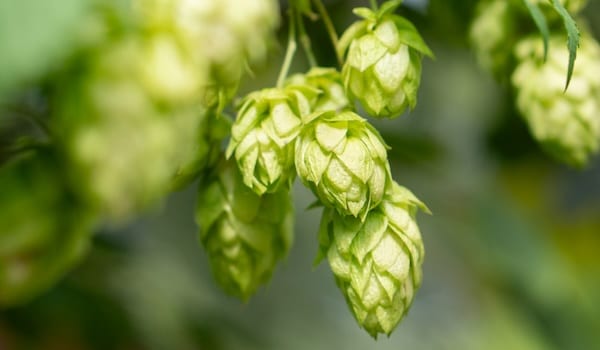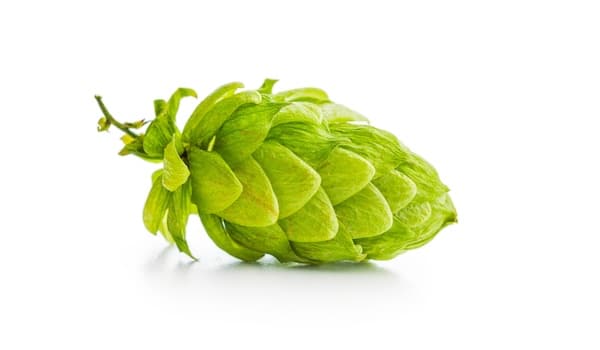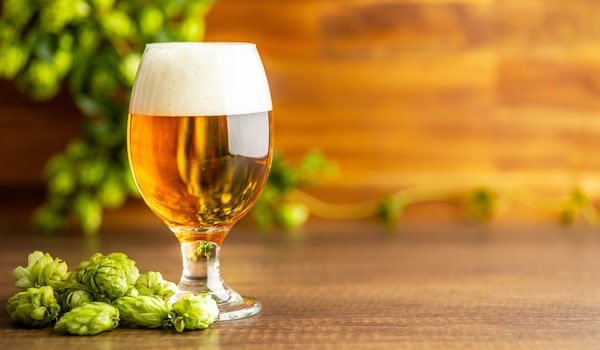

Galaxy hops are an Australian variety prized for their intensely tropical aroma — passion fruit, peach, and citrus layered in a way that few hops from any country can match. Developed in Australia and released in 2009, Galaxy quickly became one of the most coveted hops in craft brewing worldwide, particularly as the NEIPA boom created huge demand for soft, fruit-forward aroma varieties.
You know a hop has arrived when US craft brewers start competing to get an allocation of it from the other side of the world. That’s exactly what happened with Galaxy. And unlike some varieties that get overhyped only to disappoint, Galaxy consistently delivers. It’s tropical, it’s bright, it’s versatile — and in the right recipe, it’s stunning.
What Are Galaxy Hops?
Galaxy was developed by Charles Faram & Co. in partnership with Hop Products Australia, bred using the Perle variety and a high-alpha experimental line. Released commercially in 2009, it was an immediate hit in the Australian craft beer scene and didn’t take long to spread internationally. Australia’s hop-growing region is primarily in Tasmania, where the climate produces hop cones with a unique essential oil composition that gives Australian varieties their distinct tropical character.
Galaxy is a high-alpha variety — 13–15% alpha acids — which means it can be used for bittering as well as aroma. But the reason craft brewers seek it out is the aroma. The essential oil profile is dominated by myrcene but also contains high levels of geraniol and linalool — compounds associated with peach and floral/rose notes respectively. The combination produces a tropical character that’s softer and more stone-fruit-forward than American varieties like Citra.
Availability outside Australia has improved significantly in recent years. Many US homebrew suppliers now carry it, though year-to-year supply can still be variable. If you see it, buy it — you won’t regret it.
Galaxy Hop Flavor and Aroma Profile
Galaxy’s defining character is passion fruit — ripe, almost jammy, with a sweetness that most hop varieties don’t have. Alongside the passion fruit, you get peach, citrus zest (more lemon than grapefruit), and a faint floral note that ties everything together. There’s very little resin or pine — this is a soft, fruity hop from the nose down to the finish.
Compared to Citra, Galaxy reads as richer and more stone-fruit-forward. Citra is sharper and more citrus-dominant; Galaxy has more of that stone fruit and tropical depth. Put them together in a NEIPA and you get a flavor combination that’s genuinely greater than the sum of its parts.
As a bittering hop, the high alpha acids and moderate cohumulone produce clean, firm bitterness that doesn’t come across as harsh. The tropical aromatic compounds don’t survive a 60-minute boil, but the bittering quality alone makes it worth using at first wort or 60 minutes if you already have it in the recipe for late additions. There’s no point buying expensive Australian hops just to use them for bittering, but it’s good to know the bittering quality holds up.
Galaxy Hops Brewing Stats
| Stat | Value |
|---|---|
| Alpha Acids | 13–15% |
| Beta Acids | 5.5–6.5% |
| Total Oil Content | 2.4–3.2 mL/100g |
| Myrcene | 35–45% of total oil |
| Geraniol | 3–10% |
| Cohumulone | 35–40% of alpha acids |
| Origin | Australia (Tasmania) |
| Type | Dual-purpose |
The elevated geraniol content (3–10%) is the key to Galaxy’s distinctive peach and floral character. Geraniol converts to citronellol during fermentation — particularly with certain yeast strains — which amplifies the floral and citrus notes in the finished beer. This biotransformation effect is one reason Galaxy performs so exceptionally well in NEIPA recipes, where London Ale III and similar yeast strains enhance the aroma during active fermentation.
Best Beer Styles for Galaxy Hops
- New England IPA (NEIPA) — Galaxy’s natural home. The soft, juicy tropical character, the biotransformation potential with the right yeast, and the way it layers with other modern hops make it a cornerstone of the style. Nearly every great NEIPA recipe has Galaxy in it somewhere.
- Hazy Pale Ale — A lighter-bodied application of the same NEIPA philosophy. Galaxy at 0.5–1 oz per 5 gallons as a dry hop produces a genuinely tropical pale ale that’s sessionable and complex.
- Double IPA — Galaxy holds up in high-gravity beers. The fruit intensity matches the bigger malt body, and the high alpha acids allow for bittering additions that give the DIPA proper structure.
- Sour Beer — Galaxy and sour beer is an underrated combination. The passion fruit and peach character amplifies the fruit-forward quality of Berliner Weisse, Gose, and fruit sours in a way that feels natural rather than synthetic.
- American Wheat Beer — A small Galaxy addition in a wheat beer brings tropical brightness without overwhelm. Works particularly well as a dry hop in beers fermented with Hefeweizen or American wheat yeast strains.
Top Commercial Beers Brewed With Galaxy Hops
- Two Hearted Ale — Bell’s Brewery (Michigan) — One of the most well-known American pale ales, Bell’s uses Galaxy alongside Centennial in what’s become a benchmark two-hop recipe that showcases how a tropical Australian variety can complement classic American character.
- Pulp Friction — Other Half Brewing (New York) — A legendary NEIPA from one of the most respected hop-forward breweries in the US. Galaxy is central to Other Half’s approach and this beer is a great example of what it can do in the right hands.
- Galaxy IPA — Stone Brewing (California) — A single-hop showcase dedicated entirely to demonstrating what Galaxy can do. If you want to understand the variety in isolation, this is a great reference point.
- Pirate Life Pale Ale — Pirate Life Brewing (South Australia) — An Australian pale ale from Galaxy’s home country. Showcases the hop the way it’s meant to be used by the brewers who’ve been using it longest.
How to Brew With Galaxy Hops
Galaxy rewards careful technique. Here’s how to get maximum fruit character out of it.
As a bittering hop: Galaxy’s high alpha acids (13–15%) and moderate cohumulone produce firm, clean bitterness. Use a small bittering charge at 60 minutes and let the late additions do the heavy lifting on character. 0.5–0.75 oz at 60 minutes is enough for most pale ale and IPA recipes in a 5-gallon batch.
As an aroma hop (late additions): Whirlpool additions at temperatures below 190°F preserve the geraniol that makes Galaxy special. Add 1–2 oz at 170–180°F after flameout and let it steep for 20–30 minutes before chilling. This is where the passion fruit and peach really come through.
Dry hopping: Galaxy is best dry hopped during active fermentation for NEIPA — the yeast-driven biotransformation amplifies the floral and tropical notes significantly. Add 2–3 oz per 5-gallon batch when fermentation is about 75% complete. For a cleaner hop aroma without biotransformation, dry hop after fermentation is fully complete and the beer is cold-crashed. Our dry hopping guide covers both techniques in detail.
Classic combinations: Galaxy + Citra is the NEIPA power pairing — peach and passion fruit from Galaxy, citrus and tropical from Citra. Galaxy + Mosaic brings mango and stone fruit together for layered complexity. Galaxy + Simcoe adds piney depth alongside the tropical notes. For a broader look at how hop varieties work together, check out our types of hops guide.
Galaxy Hop Substitutes
- Citra — Similar tropical intensity, slightly more citrus-forward, less stone fruit. The most common substitute in NEIPA recipes.
- Mosaic — Mango, blueberry, and tropical depth. Works well as a Galaxy substitute in recipes where complexity matters more than the specific passion fruit/peach character.
- Vic Secret — Another Australian variety. Passion fruit and pine, less geraniol than Galaxy but a similar tropical character. Excellent substitute if you can find it.
- Ella (formerly Stella) — Australian variety with floral and tropical character. Milder than Galaxy but in the same flavor family.
Galaxy Hops FAQ
What does Galaxy hops taste like?
Galaxy hops taste primarily of passion fruit and peach, with citrus zest and a faint floral note. Compared to Citra, Galaxy is richer and more stone-fruit-forward with less sharp citrus. It’s a soft, tropical hop with very little pine or resin — one of the fruitiest aroma varieties available to craft brewers.
Where are Galaxy hops grown?
Galaxy hops are grown primarily in Tasmania, Australia — home of Australia’s main hop farming industry. The Tasmanian climate produces hop cones with a unique essential oil composition that gives Galaxy its distinctive tropical fruit character. It was developed and released in Australia in 2009 and has since become one of the most sought-after hops in international craft brewing.
Are Galaxy hops good for IPAs?
Galaxy hops are excellent for IPAs, particularly New England IPAs and hazy pale ales. The passion fruit, peach, and citrus character creates exactly the soft tropical profile that defines the modern NEIPA style. Galaxy also performs well in West Coast IPAs and DIPAs — its high alpha acids (13–15%) make it effective as a dual-purpose hop. Many of the best modern IPAs use Galaxy as a primary or featured variety.
What are Galaxy hops similar to?
Galaxy is most similar to Citra — both are high-alpha, intensely aromatic varieties with tropical fruit character. The main difference is that Galaxy leans more toward passion fruit and peach, while Citra skews citrusy and tropical. Other Australian varieties like Vic Secret and Ella share some of Galaxy’s character. Mosaic is another good comparison — complex and tropical, though with more berry character.
What are the best substitutes for Galaxy hops?
The best substitutes for Galaxy hops are Citra (similar intensity, more citrusy), Mosaic (complex tropical, mango and blueberry), and Vic Secret (another Australian variety with passion fruit and pine). If you’re specifically after the peach and floral character, look for high-geraniol varieties like Idaho 7 or Amarillo, which share some of that stone-fruit quality.
Sign Up for Our Newsletter