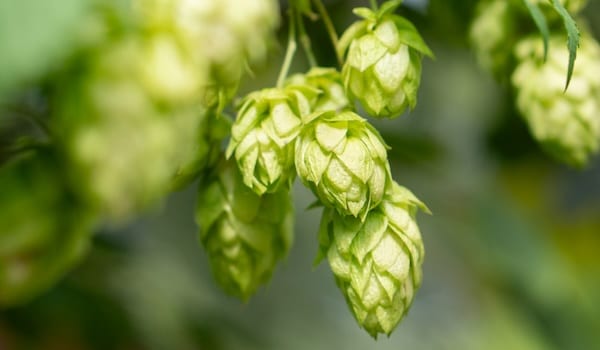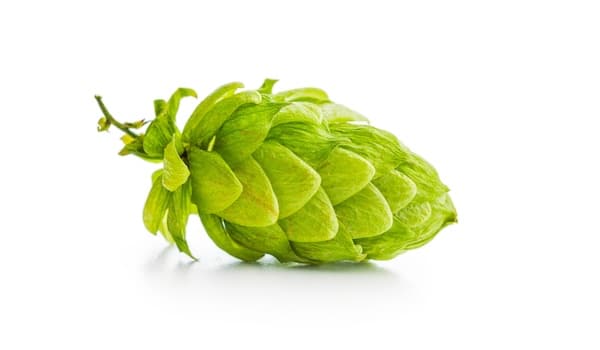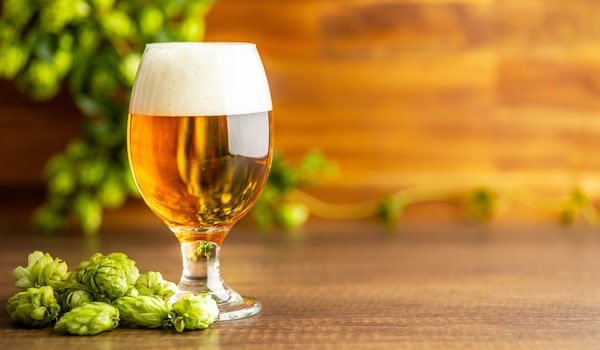

Citra hops are the most recognizable hop variety in modern craft beer. If you’ve ever cracked open a hazy IPA and been hit by an explosion of mango, passionfruit, and lime, there’s a good chance Citra was in the kettle. Released in 2008, Citra went from new variety to industry standard faster than almost any other hop in history — and for good reason.
It’s a dual-purpose hop with high alpha acids and an aroma oil profile that’s almost absurdly tropical. Brewers love it because it delivers big, punchy fruit character without muddiness — clean, bright, and instantly recognizable in the glass. Hop-heads love it because it’s the hop behind some of the most celebrated IPAs ever brewed.
Whether you’re a drinker trying to understand why certain beers taste the way they do, or a homebrewer looking to nail a juicy NEIPA, this is the Citra hops guide you need. We’ll cover the full flavor profile, brewing specs, the best commercial beers that showcase it, and how to use it yourself.
What Are Citra Hops?
Citra is a proprietary hop variety developed by the Hop Breeding Company — a joint venture between John I. Haas and Select Botanicals Group — and first released commercially in 2008. The parentage is complex: it crosses Hallertau Mittelfrüh with a range of other varieties including US Tettnanger, East Kent Goldings, Bavarian, and Brewers Gold. The result is something that shares very little with its European ancestors. Citra is unmistakably American in character.
It’s grown primarily in the Yakima Valley in Washington State, which produces the vast majority of American hops. Because Citra is a proprietary variety, it’s only grown under license — which kept supply tight for years after its release and made it one of the most in-demand hops in craft brewing. Supply has improved considerably since then, but Citra remains one of the most widely used and sought-after varieties on the market.
Citra Hop Flavor and Aroma Profile
This is where Citra earns its reputation. The aroma is dominated by tropical fruit — mango and passionfruit are the most prominent, with lychee showing up frequently in descriptions from experienced tasters. There’s also a strong citrus component: lime is the most distinctive note, with grapefruit and white grape rounding it out. Some batches bring a melon character, and you’ll occasionally get a hint of peach or apricot depending on how the hop is used.
The flavor follows the aroma closely. Used as a late addition or for dry hopping, Citra pushes fruit to the front without adding much bitterness. Used early in the boil as a bittering hop, it still contributes some of that tropical character but the fruit notes are less pronounced. Most modern brewers use it late or dry — you want that juice, not just the IBUs.
One thing Citra is not is subtle. It’s an assertive hop with a high oil content, and it tends to dominate a beer if you’re not careful. That’s a feature when you’re building a NEIPA around it. It requires more restraint when you’re using it in a pale ale or a session beer where you want the malt to share the spotlight.
Citra Hops Brewing Stats
Here’s the technical breakdown for homebrewers:
| Stat | Value |
|---|---|
| Alpha Acids | 11–13% |
| Beta Acids | 3.5–4.5% |
| Total Oil Content | 2.2–2.8 mL/100g |
| Myrcene | 60–65% of total oil |
| Linalool | 0.6–1% |
| Geraniol | 0.1–0.6% |
| Cohumulone | 22–24% of alpha acids |
| Origin | USA (Yakima Valley, WA) |
| Type | Dual-purpose |
The moderate cohumulone percentage (22–24%) means Citra produces a smoother, less harsh bitterness than high-cohumulone varieties — which is part of why it works so well as a dual-purpose hop. The high myrcene content is the main driver of its tropical aroma.
Best Beer Styles for Citra Hops
Citra is most at home in hop-forward American styles, but it shows up in a surprising range of beers:
- New England IPA / Hazy IPA — This is Citra’s natural habitat. The soft water, hazy body, and low bitterness of NEIPA let the tropical fruit character shine without anything getting in the way. Citra solo or Citra plus Mosaic is the NEIPA recipe that’s launched a thousand pints.
- West Coast IPA — Used with Simcoe or Columbus for bitterness, Citra adds a tropical citrus note to the piney dryness of a classic West Coast IPA.
- American Pale Ale — Citra works beautifully as a late addition in pale ale — bright citrus and tropical notes without the beer becoming too heavy.
- Session IPA — Its intensity means you don’t need much to get big aroma in a lower-ABV beer.
- Sour Beer — Citra pairs exceptionally well with tart, fruited sours. The passionfruit and mango notes complement lacto-soured beers without competing.
Top Commercial Beers Brewed With Citra Hops
If you want to understand what Citra tastes like before you brew with it, these are the bottles and cans to track down:
- Heady Topper — The Alchemist (Vermont) — The GOAT of American IPAs, and a Citra showcase. Pours into the can. Drink it cold and drink it fresh. No other instructions needed.
- Kern River Citra DIPA — Kern River Brewing (California) — A single-hop double IPA built entirely around Citra. Pure tropical juice at 8% ABV. One of the most coveted craft beers in the country when it’s released.
- Citra Ass Down — Westbrook Brewing (South Carolina) — The name is absurd, the beer is excellent. Showcases Citra’s juicier, more tropical side in a double IPA format.
- Pseudo Sue — Toppling Goliath (Iowa) — A single-hop pale ale with Citra. One of the highest-rated pale ales in the world and a great example of how the hop performs in a lower-ABV, more restrained format.
How to Brew With Citra Hops
Citra is a forgiving hop to work with, but there are a few things worth knowing before you build a recipe around it.
For bitterness: Citra’s alpha acid content (11–13%) makes it capable as a bittering hop, but most brewers save it for later additions. If you’re using it for bittering, keep quantities modest — you’re paying for the aroma, not the IBUs, and there are cheaper bittering hops that do the same job.
For aroma (late additions): Add Citra at flameout or as a whirlpool addition at 170–180°F (77–82°C). This is where the tropical fruit character really opens up. A whirlpool addition of 1–2 oz per 5-gallon batch gives you a noticeable but not overwhelming fruit punch.
For dry hopping: This is where Citra does its best work. Add 1–3 oz per 5-gallon batch during or after active fermentation. Keep the contact time to 3–5 days — too long and you risk extracting vegetal, grassy notes. If you’re doing a NEIPA, a double dry hop (once during fermentation, once post-fermentation) gives you the full tropical experience.
Pairing with other hops: Citra is excellent solo but genuinely shines in combination. Mosaic adds berry and earthiness that rounds out Citra’s tropical brightness. Galaxy (Australian) pushes the passionfruit even further. Simcoe adds pine resin for a more complex West Coast profile. For a more balanced pale ale, Cascade alongside Citra gives you grapefruit and pine to temper the juice. To learn more about dry hopping techniques, our full guide covers every method in detail.
Citra Hop Substitutes
If you can’t get Citra — and supply can still be patchy depending on the season — these varieties are the closest alternatives:
- Mosaic — The most similar in character. Slightly more complex with berry and earthy notes alongside the tropical fruit. A direct substitute in most recipes.
- Galaxy — Pushes the passionfruit and peach further. A little more intense than Citra; use slightly less.
- Amarillo — More orange and tangerine, less tropical. A reasonable substitute in pale ales where you want citrus without the full tropical juice bomb.
- Centennial — Primarily citrus (grapefruit, floral), lower tropical fruit. A more restrained substitute for recipes where Citra would overpower.
For a full overview of how Citra fits into the wider hop landscape, our guide to hop varieties breaks down every major flavor family.
Citra Hops FAQ
What does Citra hops taste like?
Citra hops have a strongly tropical and citrus-forward flavor profile. The most prominent notes are mango, passionfruit, lychee, and lime. Depending on how and when they’re added during brewing, you might also pick up melon, grapefruit, or white grape. Beers dry-hopped with Citra tend to be intensely juicy and fruit-forward.
What beers use Citra hops?
Some of the most famous beers brewed with Citra include Heady Topper by The Alchemist, Kern River Citra DIPA, and Pseudo Sue by Toppling Goliath. Citra is one of the most widely used hops in the American craft beer industry and appears in countless IPAs, NEIPAs, and pale ales across the country.
Are Citra hops the same as Mosaic hops?
No, but they’re closely related in character. Citra is more overtly tropical and citrus-forward — mango, lime, passionfruit. Mosaic is more complex, adding berry, earthiness, and a slight herbal note alongside similar tropical fruit. Mosaic is often used as a Citra substitute and the two pair exceptionally well together in NEIPAs and hazy IPAs.
What are Citra hops alpha acids?
Citra hops have an alpha acid content of 11–13%, making them a dual-purpose hop suitable for both bittering and aroma. However, most brewers use Citra primarily as a late addition or dry hop to maximize its tropical aroma rather than for bittering, where cheaper varieties can do the same job.
Can you substitute Citra hops?
Yes. The best substitutes for Citra are Mosaic (most similar, slightly more complex), Galaxy (more passionfruit-forward), and Amarillo (more orange and tangerine, less tropical). In a pinch, Centennial works for citrus character but won’t give you the same tropical fruit punch.
Join the Craft Beer Me Community
Into hoppy beers? You’ll fit right in. Join the Craft Beer Me Facebook group — it’s where hop-heads share what’s in the glass, swap brewing tips, and geek out over the latest releases. And sign up for the Craft Beer Me newsletter at the bottom of the page for more hop guides, style breakdowns, and homebrewing tips.
Sign Up for Our Newsletter