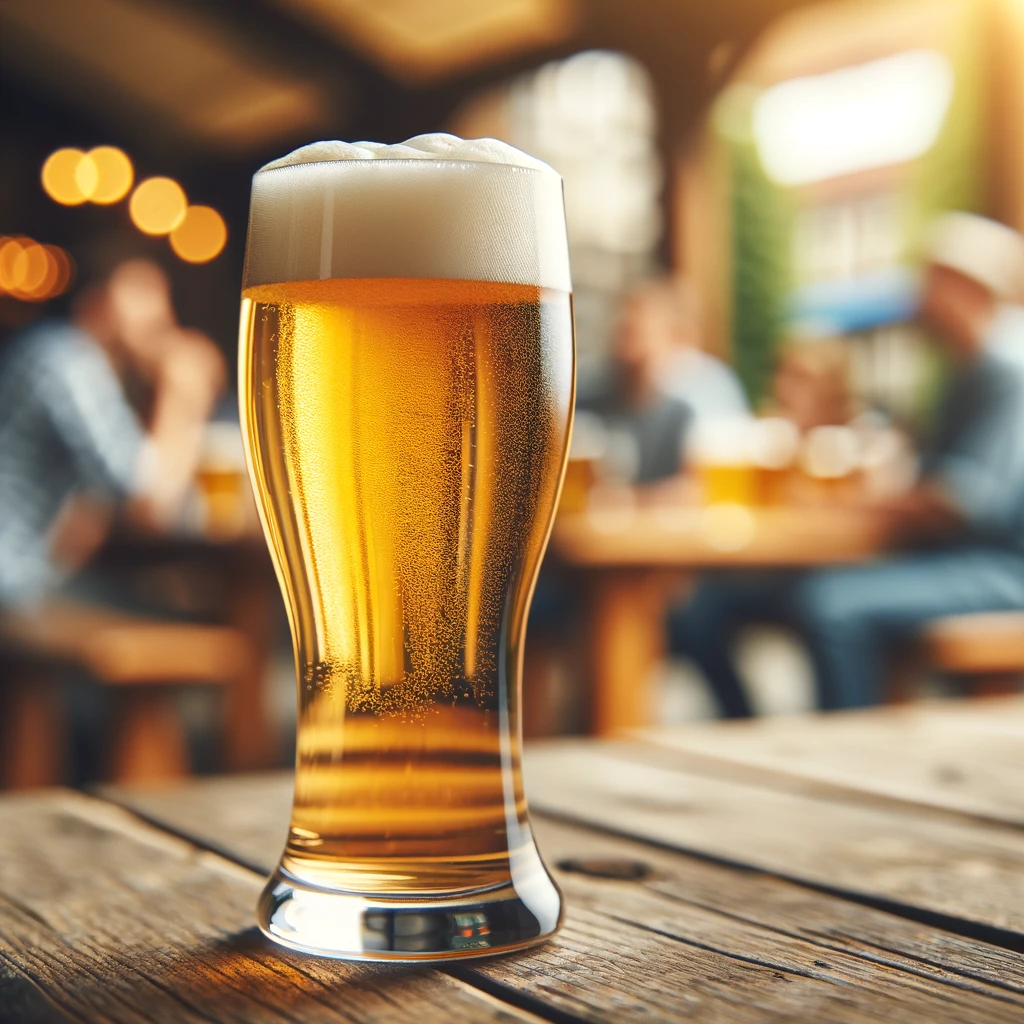

Vienna lager beer is a smooth, amber-red lager brewed with Vienna malt, giving it a toasty, bready sweetness with a clean, dry finish and gentle bitterness. It sits comfortably between a pale lager and a dark lager — more flavor than a standard adjunct lager, but nowhere near as heavy as a dunkel or bock. ABV runs 4.7–5.5%, and it’s one of the most food-friendly beer styles around.
Vienna lager has one of the stranger histories in beer. Born in Austria in 1841, it was nearly wiped out in Europe within a century. The style survived — of all places — in Mexico, where it took root and flourished while its homeland moved on to other things. Today it’s back with a vengeance, with American craft brewers producing some of the best examples the style has ever seen.
If you haven’t spent much time with Vienna lager, you’re in for a genuine surprise. It’s the kind of beer that converts skeptics — people who think they want something bolder, then realize a well-made Vienna is exactly what they were looking for.
The History of Vienna Lager
The style was invented in 1841 by Austrian brewer Anton Dreher, who had just returned from a study trip to Britain and Bavaria with his friend Gabriel Sedlmayr (the man behind modern Munich lager). Dreher used a new kilning technique he’d observed — applying indirect heat to malt to dry it more gently — to create a malt with more color and a toasty character without the harsh roasted notes of darker malts. He called it Vienna malt, and the lager he brewed with it quickly became one of the most fashionable beers in Europe.
The style spread rapidly across Central Europe. But as pale lagers rose to dominance in the late 1800s, Vienna lager lost ground. By the early 20th century, it had nearly disappeared from its home city.
The Mexican connection is the quirky twist that saved it. When Austrian Emperor Maximilian I was installed as ruler of Mexico in the 1860s, Austrian immigrants arrived with their brewing traditions. Vienna lager took hold there, evolving into the amber Mexican lagers we know today — Negra Modelo and Dos Equis Amber being the most famous descendants. The style lived in Mexico while Europe moved on.
The American craft beer revival brought Vienna lager back to prominence in the late 20th century. Brooklyn Lager, launched in 1988, is widely credited with reintroducing the style to American drinkers. Dozens of excellent craft versions have followed since.
What Does Vienna Lager Taste Like?
Think toasted bread, light caramel, and a hint of biscuit — that’s the malt backbone. The finish is clean and slightly dry, which is where the lager fermentation does its work. Bitterness is moderate (18–30 IBUs) and never aggressive. There’s no fruit, no funk, no haze — just a clear, copper-amber beer with a tight white head.
The key characteristic that separates Vienna lager from other amber beers is balance. The toasty malt is there, but it doesn’t dominate. The bitterness is present, but it doesn’t compete. Everything sits in a comfortable middle ground, which makes this style dangerously easy to drink.
Color runs from amber to copper-red (10–16 SRM). Carbonation is moderate. The mouthfeel is medium-light — not thin, not heavy. Classic lager clarity means you can see right through it, which always makes for a photogenic pour.
How Is Vienna Lager Made?
The heart of the recipe is Vienna malt — a slightly kilned base malt that sits between pale malt and Munich malt in terms of color and flavor intensity. Most brewers use Vienna malt as 80–90% of the grain bill, with small amounts of Munich malt or crystal malt to deepen the color and add a touch of sweetness. The malt bill is simple by design; the goal is clean malt character, not complexity for its own sake.
Hops are European nobles — Saaz, Hallertau, Tettnanger — used primarily for bitterness and a subtle spicy/herbal note, not aroma. The hop presence is intentionally restrained.
Fermentation happens cold, with a lager yeast strain, over a longer period than most ales. The extended cold conditioning (lagering) is what gives the style its clean, crisp finish — lager yeast produces very few esters or off-flavors at cold temperatures. If you want to learn more about what separates lagers from ales at the process level, our guide to beer fermentation covers it in detail.
Vienna Lager vs. Other Amber Lagers
Vienna lager is often confused with other amber beers, so here’s how it sits in the landscape. Märzen (Oktoberfest lager) is the closest relative — similar color and malt character, but Märzen is fuller-bodied and slightly higher in ABV (5.8–6.3%). Vienna is leaner and more sessionable. If you want to understand Märzen specifically, we have a full Märzen beer guide worth reading.
Amber ales look similar in the glass but taste quite different. Where Vienna lager is clean and malt-forward, American amber ales often carry hop bitterness and sometimes fruity esters from ale fermentation. The lager process keeps Vienna cleaner and drier.
Dark lager (dunkel) goes darker — both in color and in malt intensity. Dunkel brings chocolate and roast notes that Vienna doesn’t have. Germany’s dark lager traditions are a separate world from the Austrian amber tradition that produced Vienna.
The Best Vienna Lagers to Try
Start with these — they represent the style at its best across different price points and availability levels.
Devils Backbone Vienna Lager (Virginia) — the most decorated American Vienna lager. Multiple GABF gold medals. It’s toasty and bready with a clean, dry finish and just enough bitterness to keep it interesting. This is the one to seek out if you want to understand what modern American craft can do with the style.
Brooklyn Lager (New York) — the beer that brought Vienna lager back to American craft. Slightly more hop-forward than a traditional Vienna, with dry hopping adding a fresh note to the malt base. It’s been dialed-in for over 35 years and it shows.
Jack’s Abby Copper Legend (Massachusetts) — Jack’s Abby makes nothing but lagers, and Copper Legend is their Vienna. Bready, toasty malt with a very clean finish. One of the best examples of the traditional style being executed faithfully in a modern craft context.
Negra Modelo (Mexico) — the most accessible entry point and a great Vienna lager in its own right. Yes, it’s a macro brand, but the toasty malt character is genuine. It’s the direct descendant of the Austrian brewing tradition that arrived in Mexico in the 1860s, and it drinks very well with food.
Schell’s Firebrick (Minnesota) — August Schell Brewing has been making this since the 1980s. A true craft classic that gets overlooked because it’s from the Midwest rather than a coastal beer hub. Rich Vienna malt character, excellent balance.
What Food Goes With Vienna Lager?
Vienna lager is one of the most versatile food beers there is. The toasty malt bridges the gap between the light, crisp quality of a pale lager and the richer character of dark beers — which means it works with an unusually wide range of dishes.
Grilled meats are the natural match. The toasty malt echoes the char on a burger, steak, or bratwurst without fighting with the protein. Mexican food is also a classic pairing — no surprise given the style’s Mexican history. Vienna lager alongside tacos, enchiladas, or carnitas is hard to beat.
Roasted chicken, pizza, and charcuterie boards all work well. Even lighter dishes like grilled fish or a simple salad hold up alongside Vienna’s moderate body. It doesn’t overpower delicate food the way a darker beer might.
Frequently Asked Questions
What makes Vienna lager different from other lagers?
Vienna lager uses Vienna malt — a slightly kilned malt that gives the beer its amber-red color and toasty, bready character. Most lagers use pale malt and are straw-colored. Vienna sits in the middle of the lager spectrum: more flavor than a pale or light lager, cleaner and drier than a dark lager like dunkel or bock.
Is Negra Modelo a Vienna lager?
Yes — Negra Modelo is widely categorized as a Vienna lager, and it’s one of the most famous examples in the world. Its roots trace directly to Austrian brewing traditions brought to Mexico in the 19th century. It’s a legitimate example of the style, not just a marketing label.
What is the ABV of Vienna lager?
Vienna lager typically runs 4.7–5.5% ABV — solidly in the sessionable range. It’s designed to be a drinking lager rather than a sipping beer, which is part of why it works so well with food and over the course of a long evening.
Is Vienna lager the same as Märzen?
They’re related but distinct. Both use similar malt profiles and have amber color, but Märzen is fuller-bodied and slightly stronger (5.8–6.3% ABV). Vienna lager is leaner, drier, and a bit lighter. Think of Märzen as the richer, more festive sibling — Vienna is the everyday drinker.
Join the Craft Beer Me Community