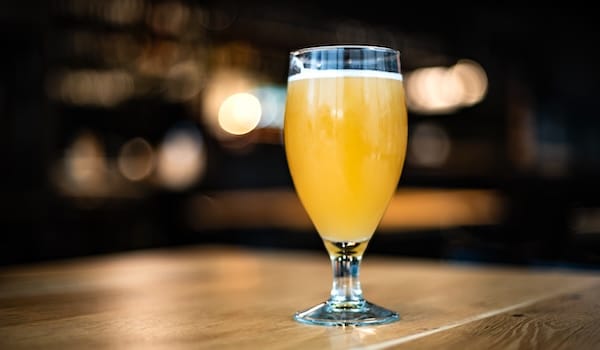

American pale ale is a medium-bodied ale with assertive hop character — citrusy, floral, and piney — balanced by a solid caramel malt backbone. It sits comfortably between an approachable lager and a full-on IPA, making it one of the most satisfying and accessible styles in all of craft beer. If you’re new to hoppy beers, this is exactly where to start.
This is the style that launched a revolution. When Sierra Nevada Brewing released their Pale Ale in 1980, most American drinkers had never tasted anything like it — CraftBeer.com calls it the beer that changed American craft brewing. Bold American hops. Real malt flavor. A finish that lingered instead of disappearing the second you swallowed. It felt almost aggressive compared to what was on store shelves at the time. Now it’s the OG — the beer that set the template for everything that followed.
Decades later, the style is sometimes overshadowed by IPAs and hazy beers. That’s a mistake. A well-made American pale ale is one of the most complete, versatile, and drinkable things a brewery can put in a can. The beer nerds who pass it over for something more extreme are missing out.
What Makes American Pale Ale Different From Other Ales?
The American pale ale is a direct evolution of the English pale ale, but with one major twist: the hops. Where English pale ales lean on earthy, herbal British hops like Fuggles and East Kent Goldings, the American version showcases Cascade, Centennial, and Chinook — American varieties that bring grapefruit, pine, and citrus zest instead of subtlety and restraint.
The malt profile follows suit. American pale ales use two-row barley as a base, often with a touch of crystal malt for some caramel sweetness. That malt doesn’t dominate — it’s there to balance the hops, not compete with them. The result is a beer where both sides of the equation contribute equally: you get real hop flavor without the one-dimensional bitterness of a poorly made IPA.
ABV typically lands between 4.5% and 6.2%, and bitterness runs 30–50 IBUs. That’s meaningful hop presence without the intensity that shuts down casual drinkers. It’s a style that works for almost every palate, which is part of why it spread so quickly after Sierra Nevada proved the concept.
American Pale Ale vs. IPA: What’s the Difference?
The simplest way to think about it: an IPA takes everything an American pale ale does and turns the dial up. More hops. More alcohol. More bitterness. An IPA typically runs 6–7.5% ABV with 50–70+ IBUs. An American pale ale is more measured — the hops are prominent but not overwhelming, and the malt has more presence to balance them.
If a West Coast IPA is a loud rock concert — and the broader world of IPA beer is a genre unto itself —, a pale ale is the same band playing at a venue where you can actually have a conversation. Both are worth experiencing. But if you’re still finding your feet with hoppy beer, the pale ale is the smarter starting point. Get comfortable there, then step up to IPAs when you’re ready.
What Does American Pale Ale Taste Like?
Crack open a good American pale ale and you’ll get a hop aroma that announces itself clearly — citrus peel, pine, maybe some floral notes depending on the hop bill. The flavor follows the nose: citrus and pine up front, a caramel malt sweetness in the middle to ground everything, then a clean, moderately bitter finish that doesn’t overstay its welcome.
The body is medium. The carbonation is moderate. The color runs from pale gold to deep amber. It’s a beer with real flavor and character, but nothing about it feels difficult or challenging. That balance is the whole point of the style, and the best examples nail it so precisely that it looks easy — even though getting that equilibrium right is one of the harder tricks in brewing.
Best American Pale Ales to Try
Start here. These are the versions of the style you should know.
Sierra Nevada Pale Ale — The GOAT. This is the beer that defined the American pale ale and, by extension, modern American craft beer. Cascade hops dominate — grapefruit, pine, floral — with a clean caramel malt backbone and a finish that’s dry and satisfying. It was radical in 1980. It’s still one of the best examples of the style today. If you’ve never had it, fix that immediately.
Firestone Walker Pale 31 — Named in honor of Sierra Nevada’s founding year, this is Firestone’s take on the classic American pale. It’s a little hoppier and drier than Sierra Nevada, with stone fruit and citrus on the nose and a clean, refreshing finish. Widely available and consistently excellent.
Stone Pale Ale 2.0 — Stone’s updated version of their original pale ale is bright, citrus-forward, and refreshingly light for a Stone beer. Mosaic and Citra hops give it a more modern tropical edge while keeping the classic pale ale structure intact. A good bridge between the old-school style and contemporary hop flavors.
Deschutes Mirror Pond Pale Ale — One of the Pacific Northwest’s best, Mirror Pond is built around Cascade hops and a bready, slightly toasty malt character. It’s a little earthier than the California styles, with a subtle pine resin note and clean bitterness that lingers just long enough. A genuinely great pale ale that deserves more attention than it gets.
Oskar Blues Dale’s Pale Ale — One of the first craft beers to go all-in on cans, and it’s still excellent. Dale’s is bold for the style — assertive Centennial and Cascade hops, good malt presence, and a finish with some real teeth. If you want a pale ale with personality, this is the one.
How to Drink American Pale Ale
Serve it between 45–50°F in a standard pint glass or a nonic. A pour with a good one-inch head releases the hop aroma properly — too flat and you lose half the experience. Too cold and the flavors close up; let it warm slightly from fridge temperature before drinking.
Food pairings are wide open. The hop bitterness and caramel malt work brilliantly with burgers, pizza, grilled chicken, spicy food, sharp cheddar, and charcuterie. Honestly, a pale ale is one of the most food-friendly styles going — the bitterness cuts through richness and the malt softens heat. Check out our guide to beers for beginners for more entry-point recommendations if you’re still building your craft beer vocabulary.
Frequently Asked Questions (FAQ)
What’s the difference between American pale ale and IPA?
An IPA is essentially an amped-up version of a pale ale — more hops, more bitterness, and more alcohol. American pale ales sit at 4.5–6.2% ABV and 30–50 IBUs. IPAs typically run 6–7.5% ABV and 50–70+ IBUs. If you find IPAs too intense, a pale ale gives you real hop flavor without the full-on bitterness.
What hops are used in American pale ale?
American pale ales traditionally use American hop varieties like Cascade, Centennial, and Chinook, which bring citrus, pine, and floral character. Modern versions sometimes feature newer varieties like Citra, Mosaic, or Amarillo for more tropical and fruity notes. Cascade is the classic choice and remains the most closely associated variety with the style.
Is Sierra Nevada Pale Ale the best American pale ale?
Sierra Nevada Pale Ale is widely considered the benchmark for the style and the beer that launched American craft beer as we know it. Whether it’s the “best” is subjective, but if you’re looking for one beer to understand what American pale ale is supposed to taste like, this is the one to try first.
Sign Up for Our Newsletter