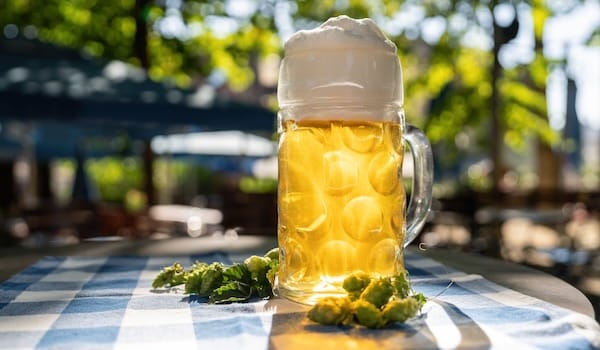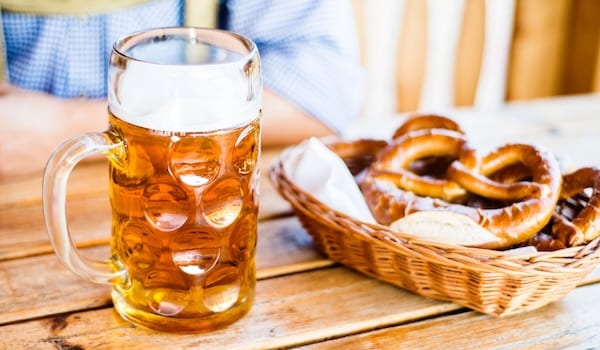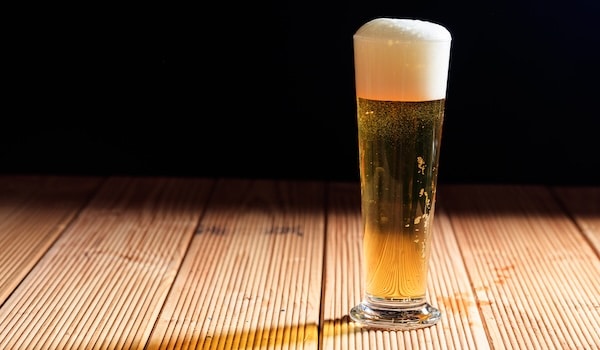

Weizenbock is a strong German wheat beer — hefeweizen brewed to a much higher alcohol level. The same Bavarian yeast brings banana and clove, but with ABV typically running 7–9%, the body is richer, the malt is fuller, and there’s a warming quality that lifts it well above its sessionable cousin. It’s one of the most rewarding styles in German brewing.
The name is a mashup: weizen (wheat) meets bock (the German term for a strong, malt-forward lager). But weizenbock isn’t a lager — it’s still fermented with Bavarian weizen yeast, which means all the fruity, spicy character of hefeweizen is present, just amplified. Think of it as hefeweizen with more of everything: more malt, more alcohol, more complexity, and more reason to slow down and pay attention to what’s in the glass.
Weizenbock tends to be a winter and cold-weather style in Germany — released in the autumn alongside other bock-style beers and drunk through the colder months. It’s a sneaky strong beer if you’re not paying attention. At 8%, it can drink more like a 5% weizen than most people expect.
How Is Weizenbock Made?
Weizenbock uses the same high-wheat grain bill as hefeweizen — typically 50–70% wheat malt — but with a much larger overall amount of grain to hit the higher starting gravity. More fermentable sugars means the yeast has more to work with, which drives the ABV up considerably while also leaving more residual malt character in the finished beer.
The yeast is the same Bavarian weizen strain used across all German wheat beer styles. At higher gravities, the fermentation produces more esters and phenols — the compounds responsible for banana and clove — so weizenbock often has a more intense yeast character than standard hefeweizen. Fermentation temperature still plays a role: cooler fermentation pushes more clove through, while warmer temperatures amplify the banana.
Weizenbock comes in two main variations. Dunkles weizenbock (dark weizenbock) uses darker malts alongside the wheat, adding layers of caramel, dark bread, and sometimes dried fruit alongside the yeast character. Helles weizenbock (pale weizenbock) sticks to pale malts and presents a lighter, more golden appearance with the yeast character more front and centre. Both are legitimately excellent — they just suit different preferences.
What Does Weizenbock Taste Like?
The first thing you notice is richness. Where hefeweizen is light and refreshing, weizenbock is full and warming. Banana and clove are still the defining flavours, but they’re deeper and more concentrated. Dark versions add caramel, dried fruit (plum, raisin), and sometimes a faint chocolate note. Pale versions keep the fruit and spice more prominent with a honey-wheat malt backing.
The alcohol is present but integrated — you feel the warmth rather than taste the ethanol, which is the sign of a well-made high-ABV beer. Carbonation is typically high, which keeps the beer from feeling too heavy despite its strength. Bitterness is low. The finish lingers, with a gentle warmth that settles in the chest.
At its best, weizenbock is genuinely complex. You get layers — the yeast character, the malt character, the alcohol warmth — that unfold across the glass in a way that a standard 5% weizen simply can’t deliver. It rewards slow drinking, which is convenient given the ABV.
Weizenbock vs. Hefeweizen: How Different Are They?
Same yeast, same wheat base, same unfiltered cloudiness — but almost everything else is turned up. Hefeweizen is light, refreshing, and sessionable at around 5%. Weizenbock is rich, warming, and deliberately not sessionable — the BJCP puts the style range at 6.5–9% ABV, with most classic German examples sitting at 7.3–8.2%. The yeast character is stronger in weizenbock because the higher gravity fermentation produces more esters and phenols. The malt character is more prominent because there’s simply more malt in the beer.
Think of the relationship like this: hefeweizen is what you drink three of on a warm afternoon. Weizenbock is what you drink one of slowly on a cold evening. Both are rewarding — they’re just built for different moments. If you’ve been working through German beer styles, weizenbock is the one that tends to stop people in their tracks the first time they try it.
The Best Weizenbock to Try
The good news: the best weizenbocks in the world are made in Bavaria and exported widely. These are the bottles worth prioritising.
Schneider Weisse Aventinus (TAP 6)
If you try one weizenbock in your life, make it the Aventinus. Schneider Weisse has been brewing this dark weizenbock since 1907, and it’s still the undisputed gold standard of the style. It comes in at 8.2% ABV, pours a deep mahogany brown, and delivers a stunning combination of intense banana, clove, caramel, dark fruit (think raisin and plum), and a long warming finish. Nothing about it feels like 8.2%. This is one of the great beers of the world, and it’s available at most good bottle shops that stock German imports in the US.
Weihenstephaner Vitus
Vitus is Weihenstephaner’s pale weizenbock — a helles weizenbock at 7.7% ABV. Where Aventinus is dark and rich, Vitus is golden and bright, with the yeast character much more prominent: intense banana upfront, gentle clove, a honey-wheat malt backing, and a surprisingly clean, dry finish for a beer this strong. It’s the more sessionable-feeling of the two style variations, though don’t let 7.7% fool you. An exceptional beer and more widely distributed than many expect — Weihenstephaner ships well in the US market.
Erdinger Weizenbock
Erdinger’s weizenbock runs at 7.3% ABV — slightly lower than Aventinus or Vitus — and sits between dark and pale in terms of character. The banana and clove are present alongside a mild caramel malt backbone, with a softer, more rounded finish than either of the above. It’s the most approachable entry point to the style and the easiest to find in the US given Erdinger’s distribution network. A solid starting weizenbock before you graduate to Aventinus.
Frequently Asked Questions (FAQ)
What does weizenbock mean?
Weizenbock combines two German words: weizen (wheat) and bock (a term for strong German beer, originally associated with lagers). Together they describe a strong wheat beer — a wheat beer brewed to bock-level strength, which is typically 7% ABV and above. Despite the bock in the name, weizenbock is not a lager. It ferments with Bavarian weizen yeast, which gives it its characteristic banana and clove profile.
How strong is weizenbock?
Most commercial weizenbocks run 7–9% ABV, with the majority of the classic German examples sitting at 7.3–8.2%. The BJCP style guidelines set the range at 6.5–9%, though anything below 7% feels more like a strong hefeweizen than a true bock. The most famous example — Schneider Aventinus — comes in at 8.2%. Weihenstephaner Vitus is 7.7%. Erdinger’s version is 7.3%.
Is weizenbock the same as wheat wine?
No — they’re different beers from different traditions. Weizenbock is a German Bavarian style brewed with weizen yeast and wheat malt, typically 7–9% ABV, with banana and clove yeast character as the defining flavour. Wheat wine is an American craft style — much stronger (8–12% ABV), brewed with a high proportion of wheat but typically fermented with ale yeast, resulting in a richer, wine-like malt character without the Bavarian yeast profile. Similar concept (strong wheat beer), very different results.
What food pairs well with weizenbock?
Weizenbock’s richness and complexity make it ideal for pairing with equally substantial food. Roast pork, venison, braised red meats, and hearty stews all work well with the dark version. Aged cheeses — particularly sharp cheddar, gouda, and blue cheese — are excellent matches. The pale version pairs nicely with lighter rich foods: roast chicken, creamy pasta, and soft ripe cheeses. Weizenbock also works surprisingly well as a dessert beer alongside dark chocolate, spiced cake, or banana-based desserts where the yeast character echoes the food.
Can you age weizenbock?
Yes, and it’s worth trying. The higher ABV and malt character give weizenbock more aging potential than standard hefeweizen. Dark weizenbocks in particular can develop nicely over 12–24 months — the fruit character deepens, the banana softens, and the beer takes on a port-like warmth. The Schneider Aventinus is frequently aged by collectors. If you pick up a few bottles, drink one fresh to understand the base, then set one aside for a year and compare. The difference is genuinely interesting.
Join the Craft Beer Me Community
If weizenbock has you going down a German wheat beer rabbit hole, come find us in the Craft Beer Me Facebook group — it’s where beer nerds share what’s in the glass, debate styles, and swap notes on the best bottles to track down. And for more style guides delivered straight to your inbox, sign up for the Craft Beer Me newsletter at the bottom of the page.
Sign Up for Our Newsletter