
A dark lager is a bottom-fermented beer brewed with roasted or kilned malts that produce a darker color — ranging from deep amber to near-black — along with a malt-forward flavor profile built on bread, toffee, chocolate, and toast, with low hop bitterness and a clean, dry finish. Despite the color, dark lagers are not heavy or thick. The defining characteristic of a lager is its clean fermentation profile, and that lightness carries through even the darkest versions.
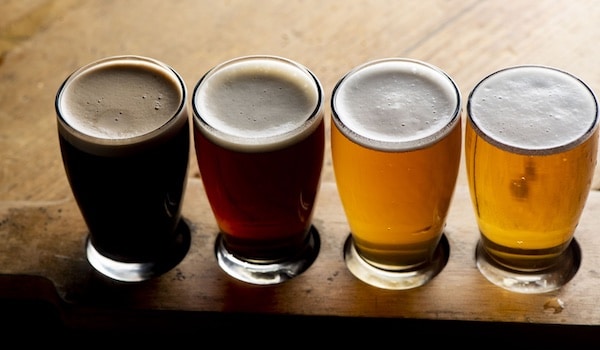
That clean lightness is what surprises most people the first time they drink a proper dark lager. You see the color in the glass — deep brown, near-black in the case of a Schwarzbier — and you brace for something rich and heavy. Then it drinks light, dry, and refreshing. That contrast is what dark lager has been doing to drinkers in Bavaria for centuries, and it’s why the style has genuine staying power among beer nerds who know their way around a tap list.
The Main Types of Dark Lager
Dark lager isn’t a single style — it’s a family of related styles, all sharing the clean lager fermentation character but differing in color, malt profile, origin, and flavor intensity. These are the three you’re most likely to encounter:
Munich Dunkel
Dunkel means “dark” in German, and Munich Dunkel is the original Bavarian dark lager — brewed in the Munich style, primarily with Munich malt, and delivering a rich but drinkable malt character built on bread, caramel, and a whisper of dark chocolate. CraftBeer.com’s German-style Dunkel profile has the full style breakdown if you want to go deeper on specs. ABV typically runs 4.5–5.6%. Bitterness is low; the finish is dry and clean.
This was Munich’s house beer for centuries before pale lagers took over in the mid-1800s. It’s still brewed by most of the major Bavarian breweries — Ayinger, Hacker-Pschorr, Paulaner — and it remains one of the most rewarding styles for anyone interested in German beer traditions. The best Munich Dunkels don’t taste roasted or heavy; they taste like excellent fresh bread with a clean finish.
Munich Dunkel at a glance:
| Attribute | Details |
|---|---|
| Color | Deep amber to dark brown |
| ABV | 4.5–5.6% |
| IBU | 18–28 |
| Key Flavor Notes | Munich malt, bread, caramel, light chocolate |
Schwarzbier
Schwarzbier means “black beer,” and it earns the name. The BJCP Schwarzbier style guidelines define it as one of the most distinctive dark lager expressions: near-black in color, with roast character that’s notably drier and less assertive than a stout. It earns the name — it’s one of the darkest lager styles, with a near-opaque black color that looks more like a stout from a distance. But drink it, and you immediately notice the difference from a dark ale: it’s light, crisp, and finishes dry rather than creamy. The roast character from the debittered dark malts gives it a hint of dark chocolate and coffee, but nothing like the heavy roast of a stout or porter.
Schwarzbier originated in central Germany (Saxony and Thuringia) rather than Bavaria, and it remains popular there and in Japan, where Japanese breweries have embraced the style enthusiastically. Köstritzer from Bad Köstritz is the most famous traditional Schwarzbier — Winston Churchill reportedly drank it during the 1930s. Guinness Draught clocks in at a similar color range, which illustrates just how different the stout and lager approaches to dark beer can be from the same starting point.
Schwarzbier at a glance:
| Attribute | Details |
|---|---|
| Color | Very dark brown to near-black |
| ABV | 3.8–5.0% |
| IBU | 20–30 |
| Key Flavor Notes | Dark chocolate, roasted coffee, biscuit, clean and dry |
Vienna Lager
Vienna Lager is technically the lightest of the three — more amber than dark — but it belongs in this family and deserves mention. It was developed in Vienna in the 1840s by Anton Dreher alongside the Munich lager innovations happening across the border, and it’s built on Vienna malt: a kilned malt that produces a toasty, slightly bready character with a reddish-amber color and more hop presence than the Munich styles.
Vienna lager is the base style for Mexican amber lagers — Modelo Especial, Negra Modelo, and Dos Equis Amber all trace their lineage to Austrian immigrants who brought the style to Mexico in the 19th century. The style nearly died out in Europe before American craft brewers revived it. Brooklyn Lager and Devil’s Backbone Vienna Lager are two of the most available examples in the US market.
Vienna Lager at a glance:
| Attribute | Details |
|---|---|
| Color | Amber to reddish-amber |
| ABV | 4.7–5.5% |
| IBU | 18–30 |
| Key Flavor Notes | Toasted malt, biscuit, light caramel, clean hop finish |
What Does Dark Lager Taste Like?
The flavor profile of a dark lager sits in a specific range: malt-forward without being sweet, toasty without being roasty, and clean in the way that only lager fermentation produces. The malts drive everything — you get bread, biscuit, caramel, and depending on the style, hints of chocolate or coffee — but the hop bitterness stays low, and the finish is always dry and clean rather than lingering.
What dark lager doesn’t taste like is stout. The common assumption when people see a dark beer is that it’ll be thick, heavy, and bitter like a Guinness or an Imperial Stout. Dark lager is the opposite. It’s the style that converts people who think they don’t like dark beer, because the color is doing something completely different from what they expect.
ABV ranges are moderate — most dark lagers sit between 4.5% and 5.5%, making them genuinely sessionable in a way that heavy dark ales often aren’t. You can drink three Munich Dunkels at a Bavarian beer hall and come back for dinner without consequence. That’s part of the style’s original purpose: daily drinking beer for the people of Munich, built for volume as much as flavor.
Best Dark Lager Brands to Try
Ayinger Altbairisch Dunkel (Munich Dunkel)
Ayinger is a family-run Bavarian brewery in Aying, just outside Munich, and the Altbairisch Dunkel is one of the finest examples of the Munich Dunkel style anywhere in the world. Rich Munich malt character, bread and dark toffee flavors, a clean finish, and an authenticity you can taste. If you try one dark lager to understand the style, this is it.
Köstritzer Schwarzbier
The benchmark Schwarzbier. Brewed in Bad Köstritz in eastern Germany since 1543, it’s one of the oldest continuously produced beer brands in the world. Near-black color, dry roasted chocolate and coffee notes, light body, and a clean finish that makes it dangerously easy to drink. Find it at specialty beer stores and many German restaurants.
Modelo Negra (Vienna Lager)
Negra Modelo is the most widely available Vienna-style dark lager in the US, sold at every Mexican restaurant and most grocery stores. It’s not as nuanced as Ayinger or Köstritzer, but it’s accessible, affordable, and a solid introduction to the amber lager end of the dark lager family. If you want to understand the Vienna lager style without hunting for imports, this is where to start.
Samuel Adams Dark Lager
Samuel Adams has a dedicated Dark Lager in their lineup that’s a reasonable representation of the Munich Dunkel style from an American craft perspective. It’s more available at standard retail than most German imports and works well as an introduction to the style if you want something domestic. Not as complex as the German originals, but honest and drinkable.
For more on German beer styles and where dark lager fits in the broader picture, the Munich Dunkel deep dive covers the Bavarian origin story in more detail. And if you’re comparing dark lager to other accessible styles, the pale ale vs IPA guide shows where the hop-forward styles sit at the other end of the flavor spectrum.
Frequently Asked Questions (FAQ)
Is dark lager heavy?
No — and this is the biggest misconception about the style. Dark lager gets its color from roasted or kilned malts, but the lager fermentation process keeps the body light and the finish clean. A Munich Dunkel or Schwarzbier will drink noticeably lighter than a stout or porter of similar color. This is the style that consistently converts people who assume dark beer means heavy beer.
What’s the difference between dark lager and stout?
The fundamental difference is fermentation: lager uses bottom-fermenting yeast at cold temperatures and produces a clean, crisp character; stout uses top-fermenting ale yeast and produces a richer, fuller body with more complex yeast-derived flavors. Dark lager also tends to have a drier, more subtle roast character compared to stout’s assertive coffee and chocolate notes. Same color, completely different drinking experience.
What is the difference between dunkel and Schwarzbier?
Both are German dark lagers, but they come from different regions and have different flavor profiles. Munich Dunkel (from Bavaria) is brewed primarily with Munich malt for a rich, bread-like sweetness and a dark amber to brown color. Schwarzbier (from Saxony and Thuringia) is darker — near-black — and uses debittered dark malts to add a dry roast character of dark chocolate and coffee without the heaviness. Dunkel is richer and maltier; Schwarzbier is drier and has more roast.
What ABV is dark lager?
Most dark lagers fall in the 4.5–5.5% ABV range, making them comparable to a standard pale lager or American craft lager in strength. Munich Dunkel typically runs 4.5–5.6%, Schwarzbier is often on the lower end at 3.8–5.0%, and Vienna lager sits around 4.7–5.5%. These are not strong beers — dark lager is a sessionable style by design.
What food pairs well with dark lager?
Dark lager’s malt sweetness and low bitterness make it a flexible food beer. Classic German pairings work best: roast pork, sausages, pretzels, and aged cheeses. The caramel and bread notes also complement grilled meats, burgers, and smoked foods. For lighter options, the clean finish cuts through fatty foods well — fish and chips, fried chicken, anything where you want a refreshing contrast rather than a flavor match.
Join the Craft Beer Me Community
Dark lager converts, German beer aficionados, and anyone who wants to argue about Schwarzbier vs Dunkel — join the Craft Beer Me Facebook group for the conversation. Sign up for the Craft Beer Me newsletter at the bottom of the page to get new style guides and beer reviews delivered directly.
Sign Up for Our Newsletter