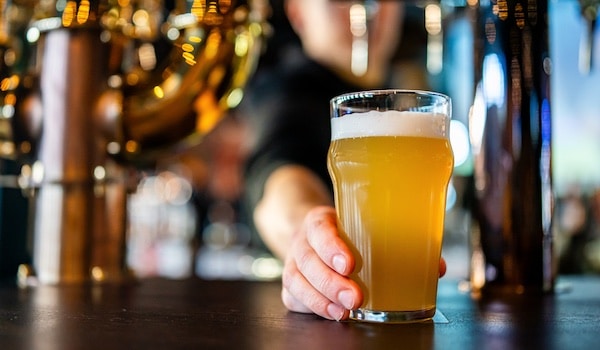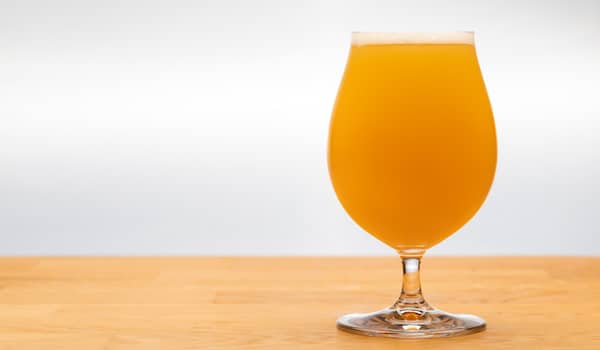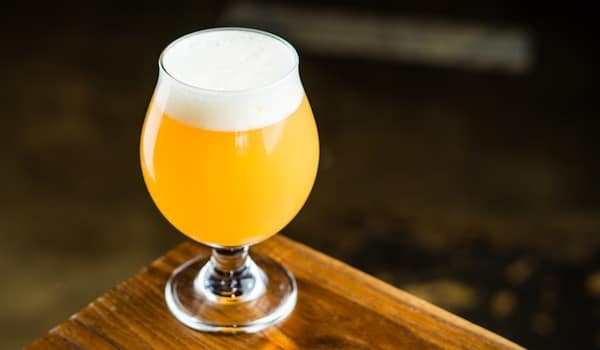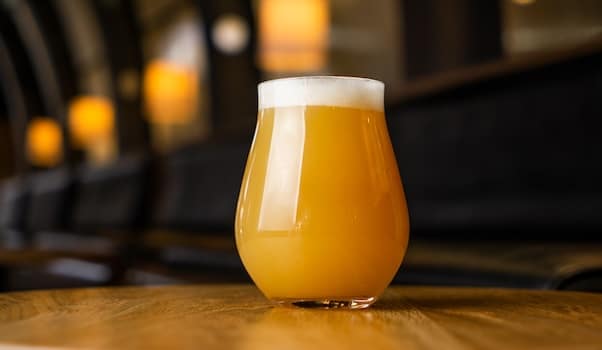

Belgian IPA is a hybrid style that combines the bold hop character of an American IPA with the fruity, spicy yeast profile of Belgian brewing. It’s hoppy and complex, and unlike anything you’d find at either end of the spectrum it bridges. That tension is exactly what makes it interesting.
Craft beer has always played with collision. What happens when you take the American obsession with hops and filter it through Belgian brewing culture — one of the oldest, most distinctive traditions in the world? You get a beer that’s citrusy and bitter like an IPA, but with banana, stone fruit, and spicy pepper notes underneath. A beer that hops can’t fully explain and that Belgian yeast alone can’t account for either.
It’s a niche style, and it’s always divided opinion. But the best Belgian IPAs are genuinely rewarding, and once you understand what’s going on in the glass, they make a lot more sense. Here’s the full picture.
What Makes Belgian IPA Different?
The defining characteristic is the yeast. Belgian brewing strains are expressive — they produce a wide range of flavor compounds during fermentation that American ale yeasts simply don’t. Fruity esters (banana, apple, pear, stone fruit) and spicy phenols (clove, pepper, a light coriander-like quality) are what give Belgian ales their unmistakable character. The BJCP’s Belgian IPA style guidelines lay out exactly how those yeast traits distinguish this from every other IPA variant.
In a Belgian IPA, those yeast-derived flavors interact with aggressive hop additions. The result is a beer where tropical and citrusy hop aromas interweave with the fruity, spicy complexity of the yeast. It can be surprisingly harmonious, or occasionally a little chaotic — that depends entirely on how well the brewer has dialed in the balance.
The style typically shares structural traits with classic Belgian ales — higher carbonation, drier finish, often bottle-conditioned — but with a hop rate more typical of an American IPA. The grain bill tends to be lighter and more neutral than a standard Belgian ale, giving the hops and yeast room to do their thing without a lot of malt weight in the way.
What Does Belgian IPA Actually Taste Like?
The experience is genuinely layered. Hop aroma hits first — citrusy, tropical, sometimes piney depending on the varieties used. Then the Belgian yeast character emerges: banana, clove, a light peppery spice, sometimes dried fruit. The two layers don’t always merge seamlessly, which is part of the challenge in brewing this style well. But when they work together, it’s something you won’t find in any other style.
In a well-made Belgian IPA you’ll typically find:
- Hop aroma: citrus, tropical fruit, sometimes pine — same as an American IPA but with less dominance
- Yeast character: fruity esters (banana, stone fruit), spicy phenols (pepper, clove)
- Bitterness: medium-high — present and noticeable, but the yeast complexity softens the overall impression
- Malt: light, neutral — mostly out of the way to let hops and yeast lead
- Carbonation: high, typical of Belgian ales
- ABV: typically 6–9%, sometimes higher
- Finish: dry, often with a warming alcohol quality and lingering spice
How Is a Belgian IPA Made?
The brewing process starts with a light, clean grain bill — pale malt, possibly some pilsner malt, sometimes a small amount of sugar to lighten the body and dry out the finish. The goal is to keep the malt contribution minimal so the hops and yeast do the heavy lifting.
Hop additions follow a pattern similar to American IPA — bittering hops early, flavor and aroma hops late in the boil, and often a dry-hop addition for extra aroma. The varieties used tend to be American or New World hops: Cascade, Citra, Simcoe, and similar, which provide the tropical and citrusy character that plays well against Belgian yeast.
The yeast is where Belgian IPA earns its identity. Belgian strains ferment warm and produce high levels of esters and phenols — the flavor compounds that give the beer its fruity, spicy complexity. Temperature control during fermentation is critical. A few degrees too warm and the yeast goes out of control; too cool and you lose the character that makes the style worth brewing. It’s a tighter balancing act than a standard IPA.
For anyone thinking about homebrewing a Belgian IPA, it helps to have a solid grip on IPA hop techniques before adding the complexity of Belgian yeast management. Get the hop side right first.
Belgian IPA vs. American IPA: What Changes?
The hop profile is similar on paper, but the yeast transforms the experience entirely. In an American IPA, hop character is the lead instrument and everything else is rhythm section. In a Belgian IPA, the yeast adds a second melodic voice that sometimes harmonizes with the hops and sometimes competes with them.
Belgian IPA also tends to be drier and more highly carbonated, with a warming alcohol quality at higher ABVs. The mouthfeel is lighter and more effervescent than a standard IPA. And unlike most American IPAs, Belgian versions are often designed to age a little — the yeast complexity tends to develop with a few weeks of conditioning.
If you want to understand the full range of what IPA can be, from English origins through to American extremes, the complete IPA style guide maps out the whole family. Belgian IPA sits in a category of its own — inspired by American craft brewing, executed through one of the world’s great brewing traditions.
The Best Belgian IPAs to Try Right Now
The style is a niche one, but there are genuinely excellent examples from both sides of the Atlantic.
Houblon Chouffe (Brasserie d’Achouffe)
The benchmark. Houblon Chouffe from Belgium’s Brasserie d’Achouffe is the Belgian IPA that most people reference first, and it fully justifies the reputation. Dry-hopped with American varieties, fermented with Chouffe’s expressive Belgian yeast, it delivers citrus and tropical fruit alongside the classic banana and clove character of Belgian brewing. At 9% ABV it’s not a sessionable pint, but it’s remarkable. Widely available internationally.
Urthel Hop-It
Hop-It from Belgian brewer Urthel is less well-known than Houblon Chouffe but equally impressive. At 9.5% ABV it’s a big beer, with heavy hop bitterness and aroma from American varieties, softened by the fruity, spicy complexity of Belgian yeast. It’s intensely bitter for a Belgian ale — the name isn’t joking. An excellent example of the style pushed toward its hop-forward limits.
New Belgium Belgo IPA
New Belgium Brewing out of Fort Collins, Colorado has deep roots in Belgian brewing tradition, and Belgo IPA puts those roots to work. It’s lighter and more approachable than the Belgian originals — 6.2% ABV, moderately bitter, with citrusy American hops playing against New Belgium’s house Belgian yeast strain. The most accessible Belgian IPA on this list, and easy to find across the US.
Allagash Victoria Ale
Allagash Brewing from Portland, Maine is one of the most respected Belgian-inspired breweries in America, and Victoria Ale is their take on a hop-forward Belgian style. It’s brewed with Centennial and Cascade hops and fermented with their house Belgian strain, resulting in a floral, citrusy beer with the soft fruity quality of a classic Belgian white ale underneath. Elegant and well-balanced.
De Ranke XX Bitter
Not strictly labeled as a Belgian IPA, but XX Bitter from Belgium’s De Ranke is frequently cited as one of the most hop-forward Belgian ales in existence and a spiritual cousin to the style. At 6.2% ABV with a massive hop presence and a distinctly Belgian yeast character underneath, it’s the best argument for what Belgian IPA can be when the two influences are perfectly balanced.
Frequently Asked Questions (FAQ)
What is a Belgian IPA?
Belgian IPA is a hybrid style that combines the hop intensity of an American IPA with the fruity, spicy yeast character of Belgian brewing. It uses American or New World hops for citrus and tropical aroma, fermented with an expressive Belgian yeast strain that adds banana, clove, and pepper complexity. The result is hoppy and complex, drier and more carbonated than a standard IPA.
What does Belgian IPA taste like?
Belgian IPA delivers layers of citrusy, tropical hop aroma alongside fruity esters and spicy phenols from the Belgian yeast — banana, stone fruit, clove, and pepper are all common. Bitterness is medium-high, the mouthfeel is lighter and more effervescent than an American IPA, and the finish is dry with a lingering spice and warmth. The balance of hops and yeast varies by brewery.
What is the difference between Belgian IPA and American IPA?
The main difference is the yeast. American IPA uses a neutral yeast that lets hop character dominate. Belgian IPA uses an expressive Belgian yeast strain that adds fruity esters and spicy phenols, creating a layered complexity that competes and interweaves with the hop profile. Belgian IPA is also typically more carbonated, drier, and more warming at higher ABVs than its American counterpart.
Is Belgian IPA common in Belgium?
Belgian IPA exists in Belgium but it’s not a dominant style there. The most famous example — Houblon Chouffe from Brasserie d’Achouffe — is Belgian-made and widely respected. The style is more of a craft beer curiosity in Belgium itself, where traditional ales, saisons, and Trappist beers hold more cultural significance. American and international craft breweries have arguably done more to develop and popularize the style.
What hops are used in Belgian IPA?
Belgian IPAs typically use American or New World hop varieties — Cascade, Citra, Simcoe, Centennial, and similar — that deliver citrus, tropical fruit, and moderate to high bitterness. These American varieties contrast interestingly with Belgian yeast character. Some brewers also experiment with New Zealand or Australian hops for more exotic tropical fruit notes alongside the Belgian yeast complexity.
Join the Craft Beer Me Community
Belgian IPA is one of those styles that rewards the curious. If you want to dig deeper into Belgian brewing tradition or swap notes on the best examples, the Craft Beer Me Facebook group is a great place to start. Come join the conversation. And for more style guides and brewery deep-dives, sign up for the Craft Beer Me newsletter at the bottom of the page.
Sign Up for Our Newsletter