Japanese craft beer is a booming industry built on precision, creativity, and a willingness to blend European brewing traditions with distinctly Japanese ingredients and sensibilities. Since Japan’s brewing laws changed in 1994, hundreds of small breweries have emerged — and the best of them are producing seriously world-class beer, much of it now available outside Japan.
For most of the 20th century, Japanese beer meant four brands: Asahi, Kirin, Sapporo, Suntory. That wasn’t a coincidence — the government required breweries to produce a minimum of two million liters per year to obtain a license, which made small-scale brewing completely impossible. As The Japan Beer Times documents, the 1994 law change dropped that threshold to just 60,000 liters annually, and what followed was an explosion of small local breweries known as jibiru (地ビール), meaning “local beer.”
The early jibiru wave was patchy — plenty of tourist-trap novelty brews, inconsistent quality, and beers that were interesting more as souvenirs than as serious drinking. But a second wave emerged in the 2000s and 2010s: technically precise, internationally aware craft brewers who knew what they were doing. That’s the Japanese craft beer scene worth paying attention to, and it’s the one this guide covers.
What Makes Japanese Craft Beer Different?
A few things set Japanese craft beer apart from the American and European scenes it largely drew inspiration from.
Japanese ingredients. The most distinctive Japanese craft beers use local ingredients you won’t find in a German or American beer: yuzu (a tart citrus fruit), ume (Japanese plum), matcha, wasabi, shiso, and sake yeast or rice from Japan’s brewing tradition. These aren’t gimmicks when used well — they add genuinely interesting character you can’t get anywhere else.
Precision and consistency. Japan’s broader food and manufacturing culture prizes exactness, and that carries into brewing. The best Japanese craft breweries produce exceptionally consistent beer — every batch of Hitachino Nest White Ale tastes the same as the last one, which is harder to achieve than it sounds. Beer geeks who’ve spent time in Japan often comment on this quality floor being unusually high.
Belgian and American influences. Japanese craft brewers looked outward early. Belgian styles — witbier, saison, strong ales — had a strong early influence, as did American pale ales and IPAs. The result is a scene that doesn’t have one defining “Japanese style” the way Germany has its lager tradition, but instead layers international craft influences with Japanese ingredients and sensibility. The parallel between Belgian brewing creativity and Japanese craft beer isn’t lost on anyone — both cultures have produced some of the world’s most inventive beers. More on Belgian styles in the Belgium beer guide.
Price point. Japanese craft beer runs expensive — production costs in Japan are high, and import duties push prices further when it lands in the US. Expect to pay $5–$8 for a 12oz bottle of Hitachino Nest or Coedo at a specialty store. That’s not a criticism of the beer; it’s just the reality of what you’re buying.
The Best Japanese Craft Breweries to Know
These are the breweries that have built international reputations — the ones most likely to appear on shelves in the US and worth seeking out.
Hitachino Nest (Kiuchi Brewery) — Naka, Ibaraki
If you’ve seen the little owl on a beer label in a specialty bottle shop or Japanese restaurant, that’s Hitachino Nest — the most internationally recognized Japanese craft brand, and the one most Americans try first. Kiuchi Brewery was founded in 1823 as a sake producer and began brewing beer in 1996. Their White Ale is the flagship: a Belgian-style witbier brewed with coriander, orange peel, and nutmeg that somehow comes out tasting distinctly Japanese — softer, rounder, more refined than most European examples. At 5.5% ABV, it’s one of the most approachable craft beers going. The Red Rice Ale (7% ABV), brewed with traditional Japanese red rice, is earthier and more complex, with a subtle spice and deep amber color. Both are widely available in the US at Whole Foods, specialty retailers, and Japanese grocery stores.
Yo-Ho Brewing — Karuizawa, Nagano
Yo-Ho is responsible for Japan’s best-selling craft beer: Yona Yona Ale, an American-style pale ale that’s been converting Japanese macro lager drinkers since 1997. It’s citrusy, hop-forward, and cleaner than most American pale ales — a genuinely well-made beer that happens to be the craft category’s gateway in Japan. Their Tokyo Black (a porter) is equally impressive: roasty, smooth, and complex at 5% ABV. Yo-Ho exports to the US, and their cans are increasingly available at specialty stores and Japanese grocery chains.
Coedo Brewery — Higashimatsuyama, Saitama
Coedo makes premium craft beer with an emphasis on clean, natural ingredients — no additives, no shortcuts. Their lineup is one of the most coherent in Japanese craft: Ruri (a crisp, elegant lager), Shiro (an unfiltered wheat beer), and the genuinely unusual Beniaka, brewed with Japanese sweet potatoes that add a subtle earthiness and amber color to what is otherwise a well-crafted lager. At 7.7% ABV, Beniaka is sneaky strong for something that drinks so cleanly. Coedo’s beer is exported to the US, though it’s harder to find than Hitachino Nest — worth asking for at specialty retailers or Japanese restaurants.
Minoh Beer — Minoh, Osaka
Minoh is the most decorated Japanese craft brewery that most Americans haven’t heard of. Their W-IPA (double IPA, 8% ABV) has earned gold medals at the World Beer Awards and multiple other international competitions — serious recognition for a small Osaka brewer. The W-IPA is bold, resinous, and bitter in the best West Coast IPA tradition. Their Yuzu White (seasonal) uses Japanese yuzu citrus to create something that tastes nothing like any Belgian witbier or American wheat beer — softer, more floral, with a bright tartness that’s completely its own thing. Minoh exports to the US, though availability is limited — check Japanese-focused importers or well-stocked bottle shops. For more on what makes hoppy beers tick, the beer hoppiness guide covers the full picture.
Baird Beer — Numazu, Shizuoka
Founded by American brewer Bryan Baird and his Japanese wife Sayuri, Baird Beer occupies a unique position: American craft brewing sensibility filtered through Japan’s ingredient culture and quality standards. The Rising Sun Pale Ale is a clean, approachable entry point; the Surugabay Imperial IPA is what the beer nerds come for — bold, complex, and proof that great IPA doesn’t have to come from the Pacific Northwest. Baird won two gold medals at the 2010 World Beer Cup (for their Kabocha Ale and Saison Sayuri), which put them firmly on the international map. Baird runs multiple taprooms in Japan and exports selectively. If you’re visiting Tokyo or any of their locations, it’s one of the best brewery experiences in the country.
Japanese Craft Beer Styles Worth Knowing
Japanese craft brewers have experimented broadly, but a few formats stand out as particularly distinctive.
Yuzu beer — Yuzu is a Japanese citrus fruit with a flavor somewhere between lemon, lime, and grapefruit, and it shows up in everything from ramen to sake. In beer, yuzu adds a bright tartness that works especially well in wheat beers and light ales. Minoh’s Yuzu White is the best example, but most craft brewers in Japan do at least one seasonal version. For more on the broader category of fruit beers, the fruit beer guide covers what to expect from the style.
Rice lager and rice ale — Japanese rice (both standard and sake varieties) adds a soft, clean character to beer, with subtle notes of rice starch and a lighter body. Hitachino Nest’s Red Rice Ale is the most interesting version, using traditional red rice for color and an earthy, slightly spiced quality that’s genuinely unlike anything else.
Japanese IPA — The IPA scene in Japan has grown fast, with local brewers putting their own spin on West Coast and hazy New England formats. Japanese IPAs tend to lean cleaner and less aggressively bitter than American counterparts — precision over provocation. Check out the guide to beer types for broader context on where IPA fits in the craft beer landscape.
Belgian-inspired ales — Japanese craft brewing’s strongest early influence was Belgian. The combination of complex yeast character, unusual ingredients, and emphasis on flavor depth over hop intensity suited Japanese brewing culture. Hitachino Nest is the obvious example, but dozens of Japanese breweries produce excellent witbier, saison, and tripel-style beers.
Where to Find Japanese Craft Beer in the US
Japanese craft beer is significantly more available in the US than it was a decade ago, but it’s still a specialist hunt. Here’s where to look.
Specialty bottle shops — Any well-stocked craft beer bottle shop should carry Hitachino Nest at minimum, and often Yo-Ho and Coedo. Ask specifically for Japanese imports if you don’t see them displayed — they’re sometimes in a dedicated international section.
Japanese grocery stores — Mitsuwa, Marukai, and H Mart locations in major US cities often stock Japanese craft beer alongside sake and Japanese spirits. These are sometimes the best-priced option.
Japanese restaurants and izakayas — Good Japanese restaurants increasingly stock craft options alongside the standard Sapporo and Kirin drafts. If you’re in a city with a solid Japanese food scene, ask what’s available — you might find Hitachino or Coedo on the beer list.
Online retailers — Craft Shack, Total Wine’s online store, and specialty importers carry a wider range of Japanese craft beer than most local retailers. Shipping to your state depends on alcohol delivery laws, but the selection is generally much broader than what you’ll find locally.
Frequently Asked Questions (FAQ)
What is the most popular Japanese craft beer?
In Japan, Yo-Ho Brewing’s Yona Yona Ale is the bestselling craft beer by volume — an American-style pale ale that’s been building a domestic audience since 1997. Internationally, Hitachino Nest White Ale is the most recognized Japanese craft brand, thanks to its distinctive owl label and wide US distribution. Both are excellent starting points.
Is Japanese craft beer different from regular Japanese beer?
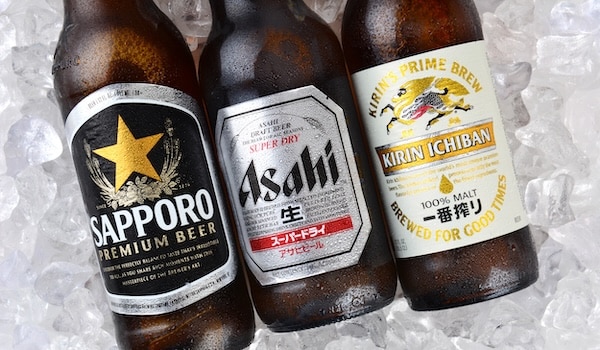
Yes — significantly. Regular Japanese beer (Asahi Super Dry, Kirin Ichiban, Sapporo) is clean, crisp, and deliberately neutral — designed to complement food without competing with it. Japanese craft beer is the opposite: flavor-forward, experimental, and built to be interesting in its own right. The same precision applies to both, but craft beer uses it to maximize character rather than minimize it.
What does “jibiru” mean?
Jibiru (地ビール) translates literally as “local beer” — it’s the term used for Japan’s first wave of small craft breweries after the 1994 law change. The jibiru era (roughly 1994–2005) produced mixed results: many breweries were novelty operations aimed at tourists, and quality was inconsistent. The term is less commonly used today for the more sophisticated second-wave craft breweries, which tend to market themselves simply as kurafuto biiru (craft beer).
Is Hitachino Nest beer made in Japan?
Yes. Hitachino Nest is brewed by Kiuchi Brewery in Naka, Ibaraki Prefecture, about 80 miles northeast of Tokyo. The brewery was founded in 1823 as a sake producer and started making beer in 1996. Everything is brewed in Japan and imported — you’re drinking the real thing, not a licensed version.
Can you bring Japanese craft beer back from Japan?
Yes, within limits. US customs allows adults to bring back one liter of alcohol duty-free. Anything beyond that is subject to import duty and must be declared, though enforcement at the personal level is generally minimal for small quantities. The bigger issue is that many Japanese craft beers don’t travel well — fresh, unpasteurized beers should be consumed quickly, not used as luggage ballast for a 14-hour flight. Stick to the bottled exports once you’re home.
Join the Craft Beer Me Community
If Japanese craft beer has made it onto your radar, you’re going to want people to share the finds with. Come join the Craft Beer Me Facebook group — it’s where beer geeks from all over swap style guides, import tips, and photos of what’s cold in the glass right now. Sign up for the Craft Beer Me newsletter at the bottom of the page for more guides like this one sent straight to your inbox.
Sign Up for Our Newsletter