
This article may contain affiliate links. If you click them, we may earn a small commission at no extra cost to you.
In This Article
- Introduction to Ales
- What Defines an Ale?
- A Brief History of Ale
- Types of Ale Beer
- How Ale Is Made – Brewing Process Overview
- Ale vs. Lager – A Closer Comparison
- Popular Ale Styles to Try
- Where to Find Great Ale Beer
- Homebrewing Ales – Why They’re Great for Beginners
- Final Thoughts: Why Ales Deserve Your Attention
- Sign Up For Our Newsletter Here!
Introduction to Ales
The world of beer is truly vast, with hundreds of beer styles and an almost infinite array of flavors to explore. But when it comes down to it, there are only two true categories of beer: ale and lager. The distinction lies in the type of yeast used to make an ale. Ales are top-fermented at warmer temperatures, while lagers are bottom-fermented at colder temperatures.
From there, the variety of beers that fit into the ale category is staggering. Everything from a drinkable blonde ale to a boozy imperial stout is top-fermented. The most ubiquitous style has to be IPA, which has had a hold on the craft beer world for nearly two decades. But there are dozens of other ale styles to try at the pub or even brew yourself. Here’s everything you need to know about ales:
Want to Try More Ale Styles?
With so many ales out there, finding the best-tasting examples isn’t always easy—especially if you’re limited to what’s stocked locally. If you want to discover and try different ale styles, read our guide: The Best Way to Find Great-Tasting Craft Beer. It shows smarter ways to explore new styles, uncover standout releases, and move beyond the usual IPA rotation.
What Defines an Ale?
The Basics of Ale
Essentially, an ale is any top-fermented beer fermented with the Saccharomyces cerevisiae type of yeast. Ales ferment at warmer temperatures (between 60–75°F) in a shorter fermentation time than lagers. Ales typically have fruitier and more robust flavor profiles than lagers.
Key Characteristics of Ale Beers
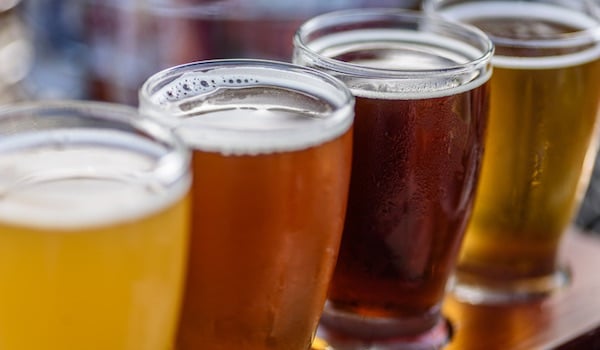
Fruity esters and complex aromas are common in pale ales and saisons. Often fuller-bodied, the most robust beer styles (stouts and porters) tend to be ales. More hop-forward styles are traditionally ales, although craft brewers have been hopping pilsners and lagers more aggressively in recent years. Ales come in a wide variety of colors, from pale and clear to dark and opaque.
A Brief History of Ale
Ancient Origins
Ale has been brewed for thousands of years, with the earliest evidence dating back as far as 3500–3100 BC in ancient Mesopotamia. The role of all beer, especially ale, in early society was based on daily nutrition and sanitary hydration. “Small beer” were ales, low in alcohol content, that provided the masses with valuable nourishment.
Modern drinkers wouldn’t be familiar with these early beers, as they were produced without hops until the late 15th century in England, when the preservative qualities of hops were discovered. Before hops, ales were bittered with gruit, which is a mixture of herbs or spices boiled in the wort before fermentation.
Medieval and Modern Ale
In the Middle Ages, the use of hops in brewing spread throughout continental Europe to England in the 15th century. At the time, unhopped beers were known as “ales,” while hopped beers were simply called “beers.”
Ale brewing centered around England, as the German and Czech regions focused on brewing lager. Around the 16th century, brewers began producing stronger ales with more robust flavor profiles. Darker beers, known as “porters,” were brewed in English port cities as early as the 1700s. At this point, most experimentation in brewing was occurring with ales rather than lagers.
In recent years, ales have become the go-to category for specialty (or “craft”) producers while lager remains the preeminent beer for mass production/consumption.
Types of Ale Beer
| Ale Style | ABV Range | Flavor Profile | Common Examples |
|---|---|---|---|
| Pale Ale | 4.5–6% | Hoppy, citrusy | Sierra Nevada Pale Ale |
| India Pale Ale | 5.5–7.5% | Bitter, fruity, pine | Stone IPA, Lagunitas IPA |
| Brown Ale | 4–6% | Nutty, toasty, malty | Newcastle Brown Ale |
| Stout | 4–8% | Roasty, coffee, chocolate | Guinness |
| Porter | 4–6.5% | Dark, smooth, caramel | Founders Porter |
| Belgian Ale | 6–9% | Spicy, fruity, yeasty | Duvel, Chimay Red |
| Wheat Ale | 4–5.5% | Light, citrus, cloudy | Blue Moon, Allagash White |
How Ale Is Made – Brewing Process Overview
While there are certainly some brewing techniques specific to either brewing lager or ale, the process remains fairly similar.
Mashing
Crushed malt is mixed with hot water in a mash tun, where enzymes are activated to break down complex starches into fermentable sugars. This results in a thick, sweet liquid called wort. The mashing process typically takes 60–90 minutes for ales.
Boiling
The wort is brought to a boil for approximately 60 minutes, during which hops are added to impart bitterness, flavor, and aroma. Boiling the wort also sterilizes it and ceases enzyme activity.
Cooling and Yeast Pitching
The wort is cooled rapidly (usually with a chiller) to the proper fermentation temperature, and ale yeast is introduced (or “pitched”).
Fermentation
Once pitched, the yeast ferments sugars into alcohol and CO₂. The fermentation process typically takes between one and two weeks. Ale brewing utilizes a top-fermenting Saccharomyces cerevisiae yeast, which thrives at warmer temperatures and produces fruity esters or other characteristics.
Conditioning and Packaging
After primary fermentation is complete, the ale can be transferred to another vessel or packaged. From there, it might be conditioned for days or weeks to further develop flavor and clarity.
Ale Yeast and Fermentation
Saccharomyces cerevisiae is a family of ale yeasts that thrive at warmer temperatures (60–75°F) and ferment at the top of the vessel.
Hundreds, if not thousands, of highly specific ale yeast strains are used across the brewing industry. Many breweries cultivate a “house” yeast strain that is entirely unique to their beers.
The higher fermentation temperature encourages the development of esters that contribute to the favorably fruity characteristics of beer styles, such as pale ale or saison. Phenols are also produced during fermentation and contribute desirable (often spicy or smoky) flavors, but also unintended off-flavors.
Ale vs. Lager – A Closer Comparison
| Feature | Ale | Lager |
|---|---|---|
| Yeast | Top-fermenting (S. cerevisiae) | Bottom-fermenting (S. pastorianus) |
| Temp Range | 60–75°F (15–24°C) | 45–55°F (7–13°C) |
| Fermentation Time | Shorter (7–14 days) | Longer (3+ weeks) |
| Flavor | Fruity, bold, complex | Clean, crisp, mellow |
| Common Styles | IPA, Pale Ale, Stout | Pilsner, Helles, Dunkel |
Popular Ale Styles to Try
For Hop Lovers
American IPA: The ubiquitous craft beer style, this bitter and aromatic riff on a pale ale showcases hops like no other beer type. The hop flavors range from piney (West Coast) to tropical (New England/hazy).
English Bitter: If you want to pack in the flavor without the alcohol, this mild ale is perfect for earthy notes and floral aromas from English hop varieties like Fuggles or East Kent Goldings.
Belgian Tripel: This strong, golden-hued ale offers a blend of hoppy and spicy flavors derived from the Belgian yeast. You’ll get hints of clove, banana, and a balance of malt sweetness and moderate bitterness.
For Malt Fans
Scottish Ale: This roasty, dark ale offers caramel and toffee notes, making it perfect for a cozy evening. Keep an eye out for a subtle smokiness.
Brown Ale: One of the classic “dad” beers, brown ales will have mild flavors reminiscent of caramel, nuts, and chocolate. Traditional English brown ales are sweeter, while American versions tend to have more hop bitterness.
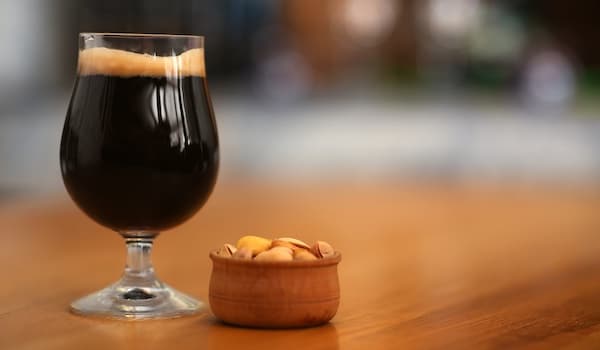
Porter and Stout: Pitch black and very robust, expect luxurious sweetness balanced out by mild bitterness from the hops and malt. These can be sessionable or quite boozy.
For Easy Drinking
Saison: This rustic style of “farmhouse” ale hails from Belgium and is often brewed with a wild yeast strain to get effervescent and spicy aromatics.
Pale Ale: The precursor to IPA, this is the world’s original hoppy beer. Expect a balance between malt sweetness, floral aromas, and hoppy bitterness.
Kolsch: If you’re attached to the lager flavor profile but want to try an ale, this German-style ale brings the same crispness and drinkability.
Hefeweizen or Other Wheat Ales: Ales are ideal for the use of alternative malts like wheat, and styles like Belgian witbier or German Hefeweizen are super drinkable.
Where to Find Great Ale Beer
Great ales aren’t always easy to find. Availability depends on location, distribution, and freshness, which can limit how many styles you actually get to try. Check out this article if you want great advice on the best way to find great-tasting craft beer.
- Buying direct from a brewery is often the best option for freshness and quality, but you’re restricted to what’s local.
- Bottle shops offer convenience, but selection and storage can be hit-or-miss, and beers often sit longer than ideal.
Online Beer Subscriptions
For most drinkers, online craft beer subscriptions are the easiest and most effective way to explore ale styles. These are the two most popular and best options:
- BeerDrop stands out because it’s fully customizable. You choose the styles you want to explore, swap beers you don’t, and access rotating releases from independent breweries — making it far easier to discover great-tasting ales beyond your usual lineup.
- Original Craft Beer Club is a more traditional option with curated selections, but offers less flexibility if you’re chasing specific ale styles.
Homebrewing Ales – Why They’re Great for Beginners
Benefits of Brewing Ales
Ale is a favorite starting point for homebrewers for several good reasons.
- Quicker turnaround time: Ale yeasts ferment much quicker than lager yeasts, making them preferable for breweries that want to produce more batches. Most ales will be ready to drink within 3–5 weeks.
- Homebrewing compatibility: You’ll only need inexpensive homebrewing gear, including a kettle, a basic fermentation vessel (such as a plastic bucket or glass carboy), an airlock, sanitizer, and packaging materials like bottles or kegs.
- Experimentation: Ales generally offer a wider range of parameters for introducing strong flavors through hops or adjuncts. There’s a reason IPAs, stouts, and saisons tend to be favorites for craft breweries.
Beginner-Friendly Ale Styles
- American Pale Ale
- Blonde Ale
- Mild or English Bitter
- American IPA
Final Thoughts: Why Ales Deserve Your Attention
Whether you’re hop-crazy for IPAs or want to explore the flavorful depths of a stout, ales provide some of the most fun drinking experiences of any beer. Brewing them also tends to be more fun as there are more opportunities to get creative.
Ales continue to evolve because they invite experimentation — from yeast character to hop expression to malt depth. And while not every great ale is easy to track down, modern discovery tools have made exploring the category more accessible than ever.
Interested in learning more about homebrewing? Sign up for our Craft Beer Me newsletter below for tips and tricks! Have a favorite style of ale? Let us know in the comments!
Sign Up For Our Newsletter Here!