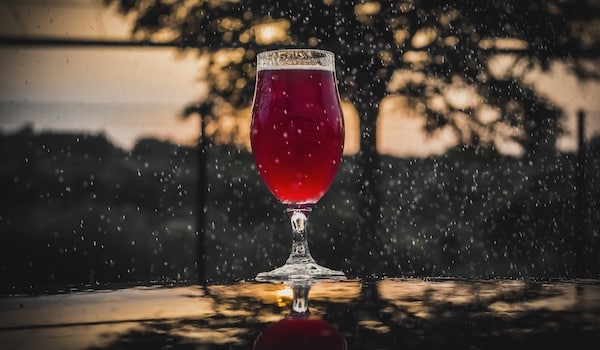

A smoothie sour beer is a thick, heavily fruited sour ale brewed with lactose and massive quantities of fruit, designed to taste as close to a fruit smoothie as a beer can get. It’s tart, sweet, and so loaded with flavor that calling it a beer almost feels like underselling it.
If you’ve noticed certain cans at your local bottle shop that look like they belong in the juice aisle — vivid pinks and purples, oversized fruit artwork, names like “Mango Dragonfruit Sunrise” — those are almost certainly smoothie sours. The Drinks Business noted the style’s rapid rise in 2021, and it’s only grown since. The style has gone from a niche curiosity to one of the most hotly debated corners of the craft beer world in just a few years.
Beer purists aren’t always fans. But people who love them really, really love them. Here’s everything you need to know about smoothie sours — what makes them different from regular fruited sours, why they taste the way they do, and which ones are actually worth your money.
What Makes a Smoothie Sour Different From a Regular Fruited Sour?
The key difference is lactose and fruit load. A standard fruited sour beer is tart and fruit-forward, but it still drinks like a beer — refreshing, light, relatively carbonated. A smoothie sour pushes much further in every direction.
Brewers add lactose (milk sugar, which yeast can’t ferment) to give the beer a silky, milky sweetness and a thicker, creamier body. Then they pile in the fruit — often in quantities that would be excessive in any other style. The result is something that genuinely resembles a fruit smoothie: rich, opaque, almost viscous in texture, and sweet enough to eat with a spoon. The tartness is still there, but it plays a supporting role to the sheer fruit and sweetness.
Visually, they’re striking too. The fruit additions give smoothie sours their distinctive colors — vivid purples from blueberry, deep reds from cherry and raspberry, bright oranges from mango and passion fruit. You can usually tell what’s in one just by looking at it.
How Is a Smoothie Sour Made?
Most smoothie sours start with a kettle sour base — typically a Berliner Weisse or similar light wheat ale. The brewer acidifies the wort using Lactobacillus bacteria before the main boil, which gives the beer its tartness. Then it’s fermented normally, but with a few key additions:
- Lactose — added during the boil or conditioning, providing sweetness and body that persists into the finished beer
- Heavy fruit additions — often 2–4 pounds of fruit per gallon, sometimes more, added post-fermentation to keep flavors vivid and fresh
- Vanilla or other adjuncts — many smoothie sours include vanilla, coconut, or graham cracker to push into full dessert territory
The result is low carbonation relative to most sours, a thick and cloudy appearance, and flavors that read more like a milkshake or smoothie than a traditional beer. ABV usually sits in the 4–6% range, which keeps the style sessionable despite how indulgent it tastes.
What Does a Smoothie Sour Taste Like?
The first impression is fruit — bold, immediate, and genuinely true to whatever’s printed on the label. A mango smoothie sour should taste like biting into a ripe mango. A raspberry version should hit you with real berry tartness before the lactose sweetness rolls in behind it.
The mouthfeel is the other standout characteristic. It’s noticeably thicker than a standard beer — close to a fruit nectar or a thinned-out smoothie. The lactose creates a creamy, coating sensation that lingers on the palate. For people coming from regular fruited sours, it can be a bit jarring at first. For people who like dessert, it’s immediately appealing.
Bitterness is essentially absent. Hops play no role in smoothie sours — they’re all about fruit, acidity, and lactose sweetness. The tartness level varies by brewery; some push hard on the sour side while others are almost entirely sweet, with just a hint of acidic brightness.
Smoothie Sour vs. Milkshake IPA — How Are They Related?
Both styles share DNA. Milkshake IPAs — hazy, lactose-forward IPAs with fruit additions — were the earlier innovation, and smoothie sours borrowed the lactose-plus-fruit-additions blueprint and applied it to a sour base. The two styles now coexist in the “pastry beer” category alongside pastry stouts and other dessert-inspired ales.
The main difference is the sour element. A milkshake IPA is sweet and soft, built around hops and fruit. A smoothie sour has that same sweetness and creaminess but with lactic tartness underneath. If you’ve tried a milkshake IPA and liked it, you’ll probably enjoy smoothie sours — but the flavor profile is noticeably different once the acidity kicks in.
The Best Smoothie Sour Beers to Try
Smoothie sours are heavily concentrated in independent craft breweries, and many of the best ones are small-batch or regional releases. But there are some standouts worth seeking out.
Burial Beer Co. — Thicket Series (Asheville, NC): One of the most acclaimed smoothie sour programs in the country. Burial packs enormous fruit into their Thicket releases — guava, passion fruit, mango — with a balanced tartness that keeps things from tipping into cloying sweetness. If you’re in Asheville, their taproom is essential.
Foam Brewers — Burlington, Vermont: Foam has become synonymous with high-end fruited and smoothie sours. Their fruit additions are exceptionally fresh-tasting, and the tartness is well-calibrated — present but not aggressive. Highly allocated and worth tracking down.
Humble Forager Brewery — Madison, Wisconsin: Brilliant smoothie sours built on clean, tart kettle sour bases. Their tropical fruit releases are particularly good — pineapple guava, mango habanero — and the lactose is dialed to where it adds creaminess without becoming milky. Distributed in several Midwest states and available via shipping in some markets.
Tired Hands Brewing Company — Ardmore, Pennsylvania: One of the original craft breweries pushing into pastry sour territory. Their smoothie-style releases are complex and layered, with multiple fruit additions and adjuncts that reward slow sipping. Worth a pilgrimage if you’re in the Philadelphia area.
Brouwerij West — San Pedro, California: A Southern California standout for tropical smoothie sours. Clean fermentation, vivid fruit, and a tartness level that stays refreshing even at high fruit loads. Their mango and passion fruit releases are particularly well-balanced.
Are Smoothie Sours “Real” Beer?
This is the debate that follows the style everywhere. Beer nerds have strong opinions on both sides, and honestly — both sides have a point.
Traditional beer definitions require grain, hops, water, and yeast. Smoothie sours check those boxes, even if the hops are barely detectable and the grain bill is just a vehicle for the fruit. They’re brewed in breweries, fermented with yeast, and contain alcohol. By any legal or technical definition, they’re beer.
Whether they’re good beer is a separate question, and one that comes down to personal taste. If you want something tart and refreshing, there are better options. If you want something intensely fruity and sweet that happens to be alcoholic, smoothie sours deliver that experience better than anything else in the category. They’re not trying to compete with a Berliner Weisse or a gose — they’re their own thing.
The honest take: try one with an open mind before deciding. They’re genuinely fun — and a lot more interesting than the debate around them suggests.
Frequently Asked Questions (FAQ)
What is a smoothie sour beer?
A smoothie sour beer is a heavily fruited, lactose-forward sour ale designed to taste like a fruit smoothie. It’s made with large quantities of real fruit, milk sugar (lactose) for creaminess and sweetness, and a kettle-soured base that provides tartness. The result is thick, opaque, and intensely fruit-forward — closer to a dessert drink than a traditional beer.
What’s the difference between a smoothie sour and a fruited sour?
A fruited sour is any tart beer with fruit added — usually lighter, more refreshing, and beer-like in character. A smoothie sour is a specific sub-style that adds lactose for creaminess and dramatically higher fruit additions, pushing it toward a thick, milky, dessert-like profile. All smoothie sours are fruited sours, but not all fruited sours are smoothie sours.
Do smoothie sour beers contain dairy?
Many do — lactose (milk sugar) is a defining ingredient of most smoothie sours, providing the characteristic creaminess and sweetness. Lactose is a dairy product, so people with lactose intolerance or dairy allergies should check labels carefully. Some breweries produce dairy-free versions using non-dairy sugars or high fruit loads to achieve a similar effect, but these are less common.
Are smoothie sour beers high in calories?
Yes, typically more so than standard beers, because of the lactose and high fruit content. Smoothie sours often have residual sugars that push the calorie count up. ABV is usually 4–6%, which isn’t unusually high, but the combination of sugars and fruit means these aren’t low-calorie drinks. If you’re tracking calories, a standard fruited sour without lactose is the lighter option.
What fruit flavors work best in smoothie sours?
Tropical fruits — mango, passion fruit, guava, pineapple — tend to shine best in the style because their bold, bright flavors cut through the lactose sweetness. Berry combinations (raspberry and blueberry, strawberry and dragonfruit) are also popular and work well. Stone fruits like peach and apricot add a softer, more dessert-like character. The fruit needs to be assertive to hold up against the lactose, which is why delicate flavors like apple or pear are less common.
Join the Craft Beer Me Community