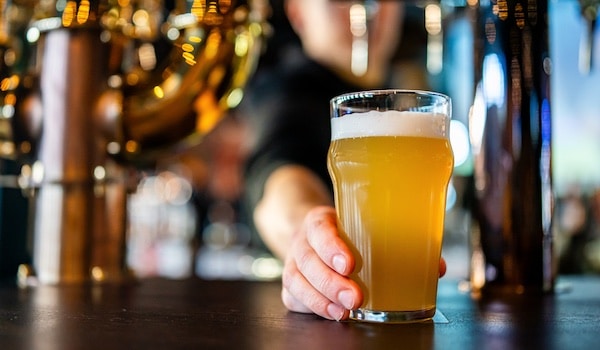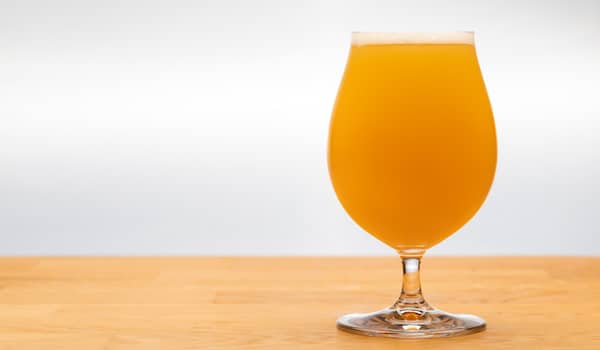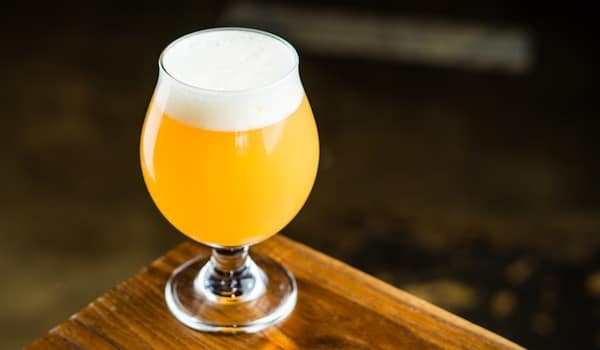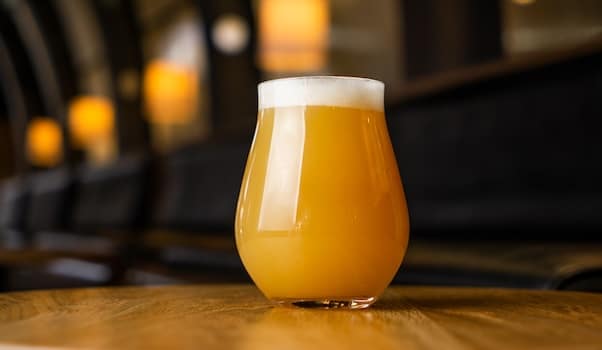

West Coast IPA and New England IPA are the two dominant IPA styles in craft beer right now, and they could hardly taste more different. West Coast is dry, clear, and aggressively bitter. NEIPA is hazy, juicy, and soft. Here’s everything you need to know to tell them apart — and figure out which one you actually want.
For a long time, West Coast IPA was simply “IPA.” It was the style that defined American craft beer’s hop revolution — piney, resinous, crisp, and uncompromisingly bitter. Then came New England IPA in the mid-2010s, flipping the script almost entirely. Suddenly, hop-heads were chasing soft, pillowy, tropical-fruit bombs rather than the sharp, dry bitterness that had defined the category for decades. Today, both styles sit side by side on tap lists across the country — and if you’re not familiar with the difference, it can be genuinely confusing.
Quick Comparison
| West Coast IPA | New England IPA (NEIPA) | |
|---|---|---|
| Appearance | Clear to slightly golden | Hazy to opaque, orange-tinged |
| Bitterness | High (40–70 IBU) | Low to moderate (25–50 IBU) |
| Hop character | Pine, citrus rind, resinous | Tropical fruit, mango, peach, soft citrus |
| Mouthfeel | Dry, crisp, clean finish | Soft, pillowy, almost creamy |
| ABV range | 6.5–8.0% | 6.0–8.5% |
| Clarity | Filtered, bright | Unfiltered, intentionally hazy |
| Yeast | Neutral ale yeast (gets out of the way) | Expressive strain (adds soft, fruity character) |
| Best served | 45–50°F in a tulip or pint glass | 45–50°F in a tulip or wide-mouth glass |
Appearance: Clear vs Hazy
This is the most immediately obvious difference. Pour a West Coast IPA and you’ll get a clear, golden to amber beer with good carbonation and a white head. You can see straight through it. Pour a NEIPA and you get something that looks more like pulpy orange juice — opaque, hazy, often with a golden-orange glow. The haze isn’t a flaw; it’s intentional, caused by protein and hop particles remaining in suspension rather than being filtered out.
If someone sends a beer back because it’s “cloudy,” they’ve almost certainly ordered a NEIPA without realizing what they were in for. If you want a clear, bright IPA, West Coast is your style.
Taste and Bitterness: Sharp vs Soft
This is the biggest functional difference between the two styles, and it’s where most drinkers have a strong preference one way or the other.
West Coast IPA leads with bitterness. The hops are added early in the boil to extract bittering compounds, and the result is that characteristic sharp, dry finish — piney, resinous, sometimes with citrus rind or grapefruit pith. It’s bracing. It’s the kind of beer that clears your palate. Some people love that sensation; others find it too aggressive.
NEIPA flips the approach entirely. The hops are added late in the brewing process — at whirlpool or during dry-hopping — which preserves aroma and flavor compounds while minimizing bitterness. The result is a beer that hits you with tropical fruit, mango, peach, and soft citrus before a gentle, rounded finish with almost no harsh bitterness. For people who’ve always found IPA too bitter, NEIPA is often the gateway in.
Mouthfeel: Dry vs Pillowy
West Coast IPA finishes dry. The malt is deliberately kept light and neutral so it doesn’t interfere with the hop character, and the result is a clean, crisp finish that makes you want another sip. It’s a beer with good drinkability despite the bitterness.
NEIPA drinks soft and full. Brewers often add oats or wheat to the grain bill, which builds a thicker body and contributes to the haze. The mouthfeel is noticeably different — some describe it as pillowy, others as almost chewy in the bigger versions. It’s a more indulgent drinking experience, which is part of why Milkshake IPA grew out of the NEIPA tradition rather than the West Coast one.
How They’re Brewed Differently
The brewing process explains almost every sensory difference between the two styles. It comes down to when and how the hops are added.
In West Coast IPA, hops are added at multiple points during the boil — early for bitterness, later for flavor and aroma, and sometimes again during dry-hopping. The beer is then filtered to produce that clear appearance. The yeast is a neutral strain that ferments clean and gets out of the way of the hops.
NEIPA relies heavily on late hop additions and dry-hopping — sometimes double or triple dry-hopping — to load the beer with aroma compounds without adding bitterness. The BJCP classifies NEIPA under Specialty IPA, acknowledging it as a distinct style rather than a variation of American IPA. The yeast strain used for NEIPA is typically more expressive, contributing fruity esters that layer on top of the hop character. The beer is left unfiltered, keeping the haze-causing proteins and hop matter in suspension. Oats and wheat are added to the grain bill for body and haze stability.
West Coast IPA vs NEIPA: Examples to Try
If you want to understand the difference firsthand, try these side by side:
West Coast IPA: Russian River Pliny the Elder (the benchmark), Stone IPA (widely available, textbook West Coast), Sierra Nevada Torpedo (great entry point), Lagunitas IPA (approachable and reliable).
NEIPA: The Alchemist Heady Topper (the original), Tree House Julius (absurdly good tropical fruit character), Trillium Fort Point Pale Ale (slightly more accessible), Other Half All Green Everything (if you can find it).
Drinking them back-to-back makes the contrast obvious in a way that no written description can fully capture. Start with the West Coast, then try the NEIPA — the shift in bitterness, texture, and aroma is dramatic.
Which One Should You Drink?
It depends entirely on what you’re after.
If you like bitterness, dry finishes, and the classic hop-forward character that defined American craft beer — West Coast IPA is your beer. It’s a more demanding drink, but that’s the point. It pairs brilliantly with food and rewards repeated drinking as your palate adjusts to the bitterness.
If you find IPAs too bitter or want something that leads with fruit and softness, NEIPA is the better choice. It’s more immediately accessible, drinks easier, and delivers serious hop aroma without the sharp finish that puts some people off the style. It’s also the better beer for sipping on its own without food.
The broader IPA category has room for both — and most hop-heads end up loving them equally, just in different moods and contexts.
Frequently Asked Questions
What is the main difference between West Coast IPA and NEIPA?
The main differences are appearance, bitterness, and mouthfeel. West Coast IPA is clear, dry, and aggressively bitter with piney, resinous hop character. NEIPA (New England IPA) is hazy, soft, and low in bitterness with tropical fruit aromas like mango, peach, and passionfruit. Both are hop-forward styles, but they achieve that in completely different ways through different brewing techniques.
Is NEIPA less bitter than West Coast IPA?
Yes, significantly. A typical West Coast IPA has 40–70 IBU (International Bitterness Units), while a NEIPA usually sits between 25–50 IBU — but the perceived bitterness is even lower than that number suggests, because the fruity sweetness masks it further. If you’ve always found IPAs too bitter, NEIPA is the style most likely to change your mind.
Why is NEIPA hazy and West Coast IPA clear?
West Coast IPA is filtered to remove proteins and yeast, producing a bright, clear beer. NEIPA is intentionally left unfiltered — proteins from oats and wheat, combined with hop particles from heavy dry-hopping, stay in suspension and create the characteristic haze. It’s a deliberate brewing choice, not a sign of poor quality. The haze actually correlates with the intense aroma that makes the style popular.
Which is stronger — West Coast IPA or NEIPA?
They’re similar in strength — both typically fall in the 6.5–8.0% ABV range. NEIPA can occasionally run slightly higher, and its juicy sweetness masks the alcohol better than the dry finish of a West Coast IPA does. This makes NEIPA feel more deceptively easy to drink despite similar or higher ABV — something worth keeping in mind if you’re having more than one.
Can you homebrew a NEIPA or West Coast IPA at home?
Yes — both are popular homebrew styles. West Coast IPA is more forgiving to brew, as the clear appearance means you don’t need to manage haze stability. NEIPA requires more attention to yeast selection, oat additions for body, and aggressive dry-hopping technique to achieve the signature soft, tropical character. Both benefit from fresh, high-quality hops. Check out guides on dry-hopping and hop varieties to get started.
Join the Craft Beer Me Community
Want more craft beer guides delivered straight to your inbox? Join the Craft Beer Me newsletter for style breakdowns, brewery spotlights, and homebrewing tips — no spam, just beer.