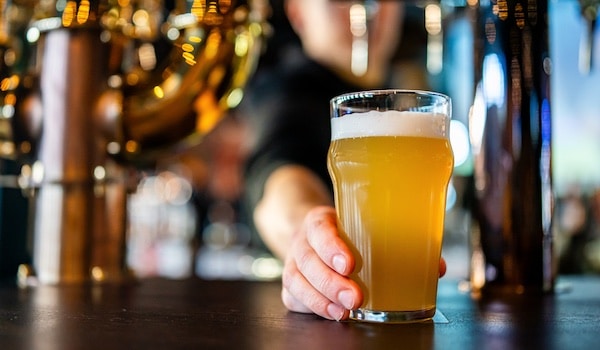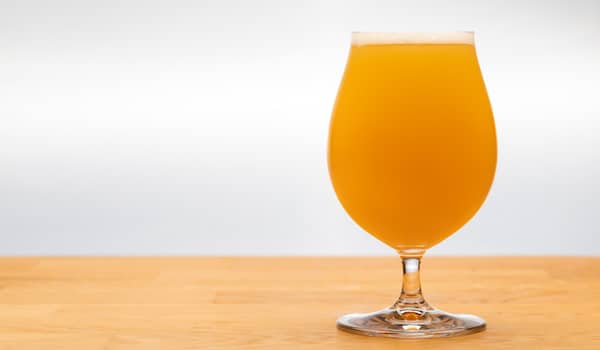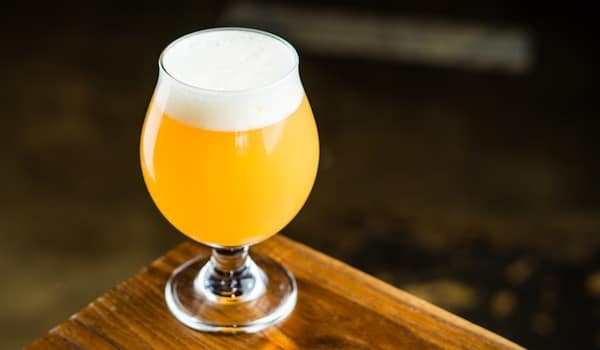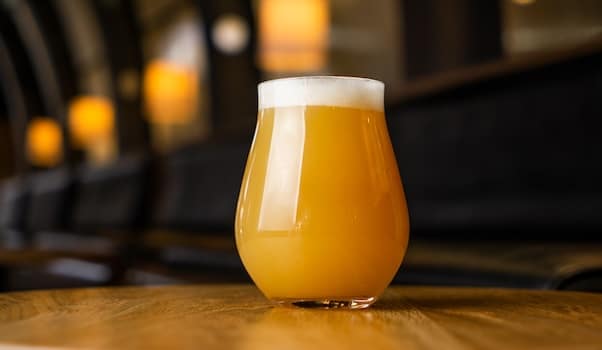

English IPA is the original India Pale Ale—a style born in 18th century Britain, built on earthy, floral hops and biscuity malt, with a dry, restrained bitterness. It’s lighter, softer, and more nuanced than its American descendants. Everything that came after it traces its lineage back to this.
When most people hear “IPA” in 2026, they picture something hazy, tropical, and American. But that’s a style that’s barely 20 years old. The original IPA was British — developed over a century earlier, shaped by the demands of shipping beer halfway around the world, and built around hops that smell nothing like a mango. Understanding English IPA means understanding where the whole category came from.
It’s also, if you give it the chance, a genuinely great beer to drink. Subtler than American IPA, more sessionable, and far more food-friendly. Here’s what you need to know.
A Brief History of the Original IPA
The India Pale Ale story begins in 18th century Britain, when English brewers were supplying beer to the growing colonial presence in India. The long sea voyage — around the Cape of Good Hope before the Suez Canal existed — was brutal on beer. Standard ales would spoil. Brewers discovered that highly hopped, higher-alcohol ales survived the journey far better than anything else.
The style that emerged was the IPA: pale in color (relatively speaking for the era), strongly hopped to act as a natural preservative, and drier than the porters and stouts that dominated British brewing at the time. Burton-on-Trent became the heartland of production — its famously hard, sulphate-rich water accentuated hop bitterness in a way that suited the style perfectly. The BJCP’s English IPA style guidelines trace this regional character and how it defines the style to this day.
The IPA eventually fell out of fashion in Britain as lager took over in the 20th century. Many British IPAs became pale shadows of the original — lower in alcohol, lower in hops. The American craft beer movement, ironically, did more to revive the aggressive IPA tradition than British brewing did. But the English style survived, and in recent years there’s been a genuine resurgence of proper Burton-style IPAs in the UK.
What Does English IPA Actually Taste Like?
The hop character is the biggest difference from what most IPA drinkers are used to. English IPAs use traditional British varieties — East Kent Goldings, Fuggles, Challenger, and Target — that deliver earthy, floral, herbal, and sometimes lightly spicy or woody notes. No tropical fruit, no pine resin. It’s more hedgerow and tea than mango and grapefruit.
The malt comes through more clearly than in a West Coast IPA. Biscuity, bready, with a slight toasty quality — it’s not sweet, but it’s present. The bitterness is firm and dry, often described as “clean” — it lingers, but it doesn’t bite. English IPA finishes dry, which is part of what made it such a good match for food.
Typical characteristics:
- Color: Golden to deep amber, generally clear
- Aroma: Floral, earthy, herbal — sometimes a hint of marmalade or light citrus from the hops
- Bitterness: Firm but not aggressive — typically 40–60 IBUs
- Malt: Biscuity and bready, more present than in American IPA
- ABV: Traditional examples run 5.5–7.5%; many modern UK IPAs sit lower
- Finish: Dry and clean, with lingering hop bitterness
English IPA vs. American IPA: What’s the Difference?
The most obvious difference is the hop character. American IPAs use New World varieties — Cascade, Centennial, Citra, Simcoe — that bring citrus, pine, and tropical fruit. English IPAs use traditional British varieties with earthier, more herbal profiles. Neither is better, they’re just different expressions of what hops can do.
American IPAs also tend to be bolder in almost every direction: more bitter, more aromatic, bigger ABV, more aggressive. English IPA is measured. The bitterness is there but it doesn’t dominate everything else. The malt plays a real role. The overall impression is more restrained and more balanced — by design.
If you want to understand how the IPA family evolved from its British origins into the dozens of sub-styles that exist today, English IPA is the natural starting point. It’s the root the whole family tree grew from.
The Best English IPAs to Try
The best examples range from easily available pub staples to harder-to-find historical recreations. These are worth seeking out.
Worthington’s White Shield
White Shield from Worthington Brewery is one of the oldest surviving bottle-conditioned IPAs in Britain and a direct link to the Burton tradition. Brewed at the Museum Brewery in Burton-on-Trent, it’s complex, bottle-conditioned, and genuinely rewarding — earthy hops, biscuity malt, and a dry, lasting bitterness. One of the most historically significant beers you can still buy.
Meantime India Pale Ale
Meantime Brewing out of Greenwich, London has produced one of the finest modern interpretations of the style. Their India Pale Ale was specifically designed to recreate the original Burton-style IPA — higher in alcohol at 7.4% ABV, heavily hopped with traditional varieties, and bottle-conditioned. It’s the kind of beer that makes you realize what the original IPAs must have tasted like.
Fuller’s India Pale Ale
Fuller’s from Chiswick, London makes one of the most approachable and widely available English IPAs. It’s not as historically aggressive as the Burton originals, but it captures the earthy hop character and biscuity malt balance that defines the style. Clear, amber-golden, and genuinely food-friendly. Easy to find in the UK and at specialty retailers internationally.
Samuel Smith’s India Ale
Samuel Smith’s from Tadcaster, Yorkshire is one of Britain’s most traditional breweries, and their India Ale is a clean, classic example of the style. It’s lighter in alcohol than a true Burton IPA but carries good hop character and that unmistakable biscuity English malt backbone. Widely available internationally thanks to strong US distribution.
St. Austell Proper Job
Proper Job from St. Austell Brewery in Cornwall is one of the best contemporary British IPAs going. At 5.5% ABV it’s a little more restrained than a historical recreation, but the hop character — floral, fruity, with a solid bitter finish — is genuinely well-executed. It’s a great example of where the English IPA style is heading in the modern UK craft beer scene.
Frequently Asked Questions (FAQ)
What is an English IPA?
English IPA is the original India Pale Ale, developed in 18th century Britain. It’s built on earthy, floral British hop varieties like East Kent Goldings and Fuggles, with a biscuity malt backbone and dry, firm bitterness. It’s lighter, more balanced, and less aggressive than American IPA — the ancestor of every IPA style that followed it.
What does English IPA taste like?
English IPA has earthy, floral, and herbal hop character from traditional British varieties — nothing like the tropical fruit of an American or hazy IPA. The malt is biscuity and bready, playing a more prominent role than in American styles. Bitterness is firm and dry but not aggressive. It finishes clean, with a lasting but restrained hop bitterness.
What is the difference between English IPA and American IPA?
The main differences are hop character, bitterness intensity, and balance. English IPA uses traditional British hop varieties for earthy, floral, herbal flavors. American IPA uses New World hops for citrus, pine, and tropical fruit. American IPAs are generally bigger in bitterness, aroma, and ABV. English IPA is more restrained, with malt playing a more prominent role alongside the hops.
Why was IPA originally brewed in England?
IPA was developed in 18th century England to survive the long sea voyage to colonial India. Standard ales would spoil during the months-long journey. Brewers found that heavily hopped, higher-alcohol ales were far more stable. The hops acted as a preservative, and the higher ABV helped the beer hold up through extremes of temperature and movement on the ship.
What hops are used in English IPA?
Traditional English IPAs use British hop varieties: East Kent Goldings, Fuggles, Challenger, Target, and Bramling Cross are all common. These deliver earthy, floral, herbal, and lightly spicy characters — very different from the citrus and tropical fruit of American hop varieties. Some modern UK IPAs incorporate New World hops, but the traditional varieties are what define the classic English IPA character.
Join the Craft Beer Me Community
If English IPA has you curious about the history behind your pint, there’s a whole community of beer nerds waiting to go deep on it with you. Come find us in the Craft Beer Me Facebook group — the conversation about craft beer history and styles never stops. And for more style guides and brewery picks sent straight to your inbox, sign up for the Craft Beer Me newsletter at the bottom of the page.
Sign Up for Our Newsletter