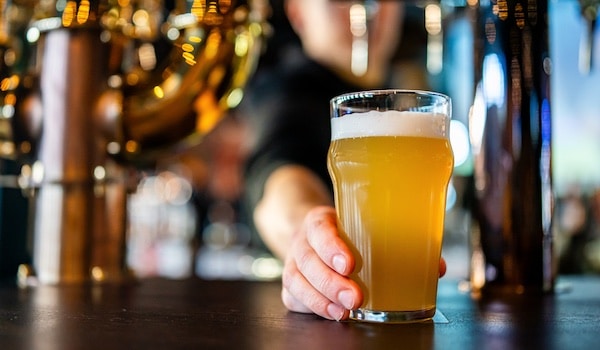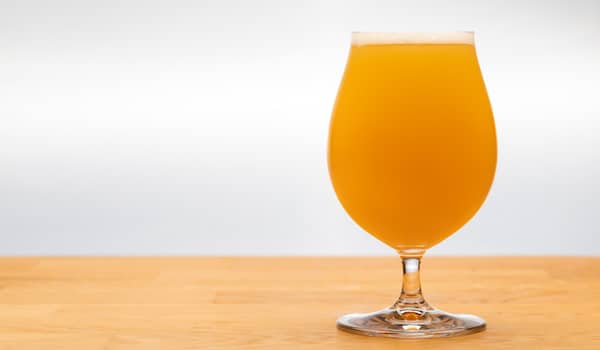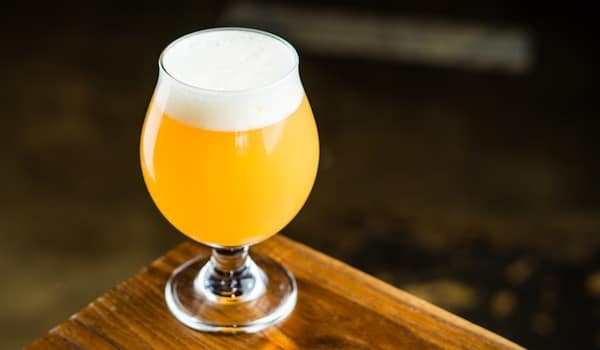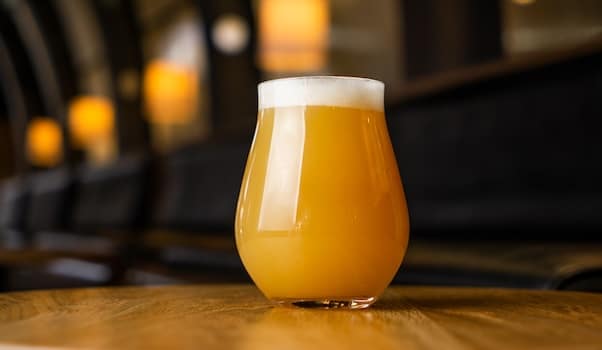

Milkshake IPA is a hazy, fruit-forward ale brewed with lactose for sweetness and a thick, creamy body. It’s the craft beer style that looks like dessert, drinks like a smoothie, and divides beer nerds straight down the middle. Love it or hate it, there’s nothing else quite like it.
If you’ve ever picked up a can that promised mango, vanilla, and passionfruit and wondered whether you were buying a beer or a juice box, you’ve already been introduced to the milkshake IPA. It’s one of the most talked-about — and argued-about — styles to come out of the American craft beer scene in the past decade. Some drinkers think it’s the best thing to happen to hoppy beer. Others think it barely qualifies as beer at all.
The truth is somewhere in the middle, but what’s not up for debate is that the style has a proper history, a specific set of characteristics, and a genuinely dedicated fanbase. Here’s everything worth knowing.
Where Did Milkshake IPA Come From?
The milkshake IPA has a clear origin story, which is more than most beer styles can say. It was created in 2015 by Jean Broillet IV of Tired Hands Brewing (Ardmore, Pennsylvania) in collaboration with Swedish brewery Omnipollo. The two breweries got together at Tired Hands’ Brewmaster’s Table event and produced the first version — brewed with lactose, oats, strawberries, and vanilla, hopped with Mosaic and Citra. VinePair’s breakdown of the style traces just how fast it spread from that one collab.
The beer spread fast. Omnipollo brought the concept back to Sweden and ran with it, releasing versions that became some of the most sought-after beers in the world. Tired Hands continued producing milkshake IPAs stateside. Within a few years, breweries across the US were releasing their own versions, and the style had taken on a life of its own.
It’s also sometimes called a “smoothie IPA” — especially for versions loaded with so much fruit that the line between beer and fruit purée starts to blur. The terminology varies by brewery, but the base concept is the same: lactose, hops, fruit, and an intentional sweetness that traditional IPA culture would never have allowed.
What Does Milkshake IPA Actually Taste Like?
This is a style where the flavors depend heavily on what’s been added, but a few things are consistent across the board. Milkshake IPA is sweet — noticeably sweet, often intensely so. The lactose provides an underlying creaminess that you feel as much as you taste. Pair that with fruit additions and you’re somewhere in tropical dessert territory before the hops even show up.
What you typically get:
- Sweetness first: lactose brings a milky, rounded sweetness that doesn’t ferment out and doesn’t fade
- Fruit character: mango, peach, passionfruit, raspberry, or strawberry depending on the version — often from actual fruit additions
- Low bitterness: IBUs can drop as low as 10–20; this is not a bitter beer
- Pillowy mouthfeel: oats and lactose combine to create a thick, creamy body that’s almost chewy
- Hop aroma: tropical and citrusy, but softer and less resinous than a West Coast IPA
- ABV: usually 5.5–7.5%, though some push higher
The hop character is present but it’s not the point. You’ll get tropical fruit and a little citrus from the hops, but they’re working alongside the actual fruit additions rather than leading the beer. For anyone who finds regular IPAs too bitter, a well-made milkshake IPA can feel like a revelation.
How Is a Milkshake IPA Made?
The defining ingredient is lactose — milk sugar. Unlike regular brewing sugars, lactose isn’t fermentable by brewer’s yeast. That means it stays in the finished beer, adding sweetness and body without bumping up the alcohol content. The result is a fuller, creamier texture than a standard IPA would ever produce.
Beyond lactose, milkshake IPAs typically include:
- Oats or wheat: boosts haze and adds to the soft, pillowy mouthfeel
- Fruit additions: usually added as puree or during dry-hopping — mango, peach, and passionfruit are the most common
- Vanilla: many recipes include vanilla beans or extract for extra creaminess
- Low bittering hops: bitterness is deliberately suppressed so it doesn’t clash with the sweetness
- Late hop additions: added for aroma, not bitterness — the same technique used in New England IPAs
The result is intentionally unfiltered, intentionally sweet, and intentionally divisive. Brewers making this style aren’t trying to create a balanced beer in the traditional sense — they’re going for a specific, indulgent experience. If you want the technical picture of how late hopping shapes aroma without bitterness, the New England IPA guide covers the technique in detail.
Milkshake IPA vs. Hazy IPA: What’s the Difference?
Milkshake IPA is a sub-style of the hazy IPA family — it uses the same foundational approach (unfiltered, soft water, late hopping) but takes things further in a specific direction. The haze in both styles comes from unfiltered proteins and hop compounds. But a standard hazy IPA doesn’t include lactose, doesn’t usually have added fruit, and aims for a more balanced hop-forward profile.
Think of it this way: a New England IPA is juicy and soft. A milkshake IPA takes that juicy softness and dials the sweetness all the way up while dialing the bitterness all the way down. It’s a more extreme version of the same general idea.
The broader IPA family runs a long spectrum — from the resinous bitterness of a West Coast IPA to the thick sweetness of a milkshake IPA. They’re connected by hops and heritage, but they’re very different drinking experiences. If milkshake IPA sounds appealing, it helps to know where it sits on that spectrum before you start buying.
The Best Milkshake IPAs to Try Right Now
The best examples in this style tend to come from breweries that specialize in hazy and fruit-forward beers. These are the ones worth seeking out.
Tired Hands Milkshake IPA
The original. Tired Hands in Ardmore, Pennsylvania created the style in 2015 and their version remains the benchmark. Brewed with lactose, oats, vanilla, and fruit, it’s thick and creamy with a tropical sweetness that stays surprisingly drinkable. If you can get to their taproom or find it in distribution, it’s the place to start.
Omnipollo Yellow Fever
Omnipollo’s contribution to the style — a mango-forward milkshake IPA with vanilla and passionfruit that became one of the most talked-about beers in the world when it dropped. The Swedish brewery helped establish the milkshake IPA as a global phenomenon, and Yellow Fever is the best entry point into their lineup. Harder to find stateside, but worth the hunt at specialty bottle shops.
Other Half Brewing — Various Milkshake Releases
Other Half out of Brooklyn has released dozens of milkshake IPA variants over the years. Their versions tend toward the tropical — mango, peach, passion fruit — and they’re consistently well-executed. No single flagship to point to, but their rotating releases are worth tracking on Untappd if you’re in or near New York.
WeldWerks Brewing — Milkshake IPA Variants
WeldWerks out of Greeley, Colorado is one of the most respected hazy IPA producers in the country, and their milkshake IPA releases are among their best work. Thick body, well-integrated fruit, and enough hop aroma to remind you it’s actually a beer. Their limited releases tend to sell out fast — their fanbase knows what they’re doing.
Great Notion Brewing — Blueberry Muffin
Portland, Oregon’s Great Notion has built a reputation on exactly this kind of beer. Blueberry Muffin sits at the extreme end of the smoothie IPA spectrum — thick, heavily fruited, and pushing the limits of what most people think beer can taste like. It’s intentionally dessert-like and fully committed to the bit. Even if it’s not your everyday pint, it’s worth trying once just to understand where the style can go.
Is Milkshake IPA Really a Beer?
This is the question that comes up every time the style is mentioned. Purists argue that a beer loaded with lactose, fruit puree, and vanilla has crossed some invisible line and become something else. And look — they’re not entirely wrong that it’s a departure from what most people think of as an IPA.
But it is beer. It’s brewed with malted grain, water, hops, and yeast. The lactose and fruit are adjuncts — the same way wheat, oats, and spices have always been adjuncts in styles from hefeweizen to Belgian witbier. Craft brewing has always pushed at the edges of what beer can be. Milkshake IPA is just the latest version of that.
Whether it’s your kind of beer is a different question. But it’s beer.
Frequently Asked Questions (FAQ)
What is a milkshake IPA?
Milkshake IPA is a hazy, fruit-forward ale brewed with lactose (milk sugar) for sweetness and a thick, creamy body. It typically includes real fruit additions — mango, peach, and passionfruit are popular — and is intentionally low in bitterness. The style was created in 2015 by Tired Hands Brewing and Omnipollo and sits at the sweeter, more indulgent end of the hazy IPA family.
What does a milkshake IPA taste like?
Sweet, creamy, and fruit-forward. The lactose creates a milky sweetness and thick body, while the fruit additions bring mango, peach, passionfruit, or berry character depending on the version. Bitterness is very low — often barely detectable. Hop aroma is tropical and soft. The overall impression is closer to a fruit dessert than a traditional IPA.
What is the difference between a milkshake IPA and a hazy IPA?
Milkshake IPA is a sub-style of hazy IPA that takes the soft, unfiltered approach further by adding lactose and real fruit. A standard hazy or New England IPA is juicy and hop-forward with low bitterness. Milkshake IPA adds deliberate sweetness, a creamier body, and fruit-forward flavors that go beyond what hops alone can produce. Think of it as hazy IPA with the dial turned toward dessert.
Does milkshake IPA contain dairy?
Yes. Milkshake IPA uses lactose — a sugar derived from milk — which is why it’s sometimes called a lactose IPA. If you have a dairy intolerance or allergy, milkshake IPA is one to avoid. The lactose is what gives the style its characteristic sweetness and creamy body, since brewer’s yeast can’t ferment it out the way it would regular brewing sugars.
Who invented the milkshake IPA?
The milkshake IPA was created in 2015 by Jean Broillet IV of Tired Hands Brewing (Ardmore, Pennsylvania) in collaboration with Swedish brewery Omnipollo. They brewed the first version at Tired Hands’ Brewmaster’s Table event, and the style quickly spread across the craft beer world as other breweries began producing their own versions.
Join the Craft Beer Me Community
Milkshake IPA is exactly the kind of polarizing style that gets people talking. Come share your take — or your latest find — in the Craft Beer Me Facebook group, where the conversation about what is and isn’t beer never really stops. And for more style guides, brewery picks, and homebrewing deep-dives, sign up for the Craft Beer Me newsletter at the bottom of the page.
Sign Up for Our Newsletter