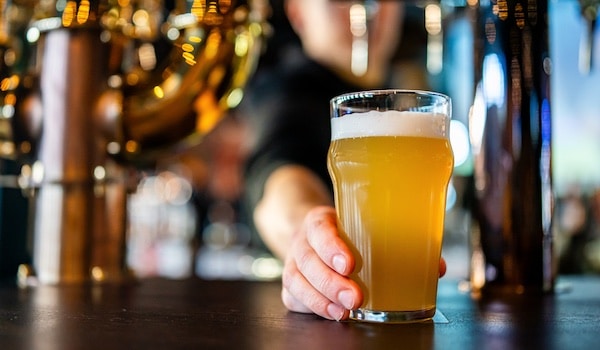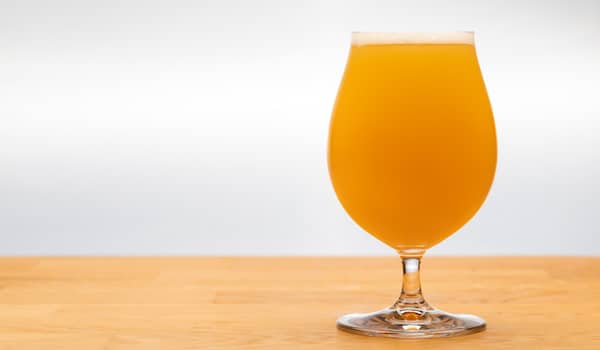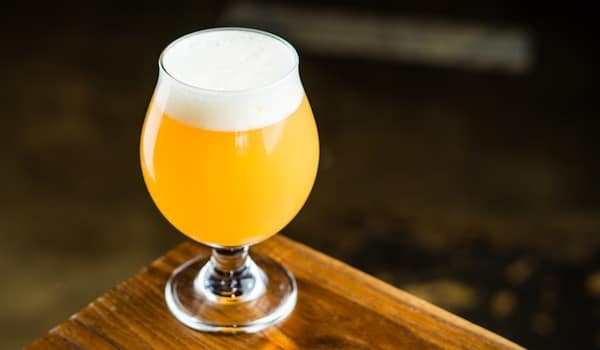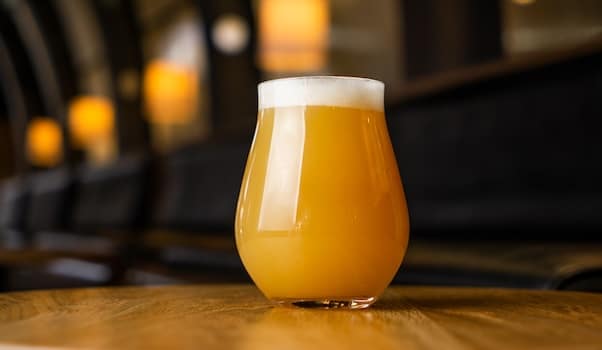

If you’ve spent any time around craft beer, you’ve encountered an American IPA. It’s the dominant style at most US taprooms, the default recommendation for anyone new to the scene, and the benchmark against which pretty much everything hoppy gets compared. But “American IPA” is broader than it sounds — it’s a parent style, and understanding what sits under that umbrella changes how you read a tap list.
For a full breakdown of the IPA family tree — where the style originated and every major variation — our complete IPA guide covers the whole picture. This article is specifically about the American IPA: what makes it distinct, how it evolved, and which bottles you should actually be drinking.
Where Did American IPA Come From?
The IPA style came from England — heavily hopped ales brewed to survive the long sea voyage to India in the 18th century. American brewers inherited the concept in the late 20th century and did what American craft beer culture does best: they pushed it further.
The turning point was the 1970s and 1980s, when homebrewers and small commercial brewers started experimenting with new American hop varieties — Cascade in particular. Cascade has since become the most widely used hop variety in US craft brewing — and for good reason: it brought bright citrus, grapefruit rind, and floral notes that English hops simply didn’t deliver. Anchor Brewing’s Liberty Ale (1975) is often cited as an early forerunner; Sierra Nevada Pale Ale (1980) built on it; and by the mid-1990s, breweries like Stone Brewing, Lagunitas, and Russian River were pushing hop rates into territory that redefined what IPA could mean.
American IPA quickly became the flagship style of the craft beer movement. It had the intensity to convert drinkers away from mass-market lagers, the complexity to reward repeat tasting, and enough variation within the style to keep hop-heads occupied for a very long time. Brands like Pliny the Elder became wildly coveted — people would drive across states to snag a few cans.
What Does American IPA Taste Like?
The defining characteristic is hops — but hops do a lot of different things, and American IPA is particularly focused on aroma and flavor alongside bitterness. The classic profile runs toward citrus (grapefruit, orange, lemon), pine resin, and tropical fruit, depending on which hop varieties the brewer uses. Cascade gives grapefruit; Centennial adds floral notes; Simcoe and Citra push into passionfruit and mango territory. Most American IPAs blend several varieties rather than leaning on just one.
Bitterness sits between 40–70 IBU in most examples, per the BJCP’s American IPA style guidelines — assertive, but not as bruising as some people expect. Curious where that sits on the craft beer bitterness scale? It’s firmly in the upper half, but far from the ceiling. The malt base is deliberately restrained — lighter pale malt that adds a biscuity backbone without competing with the hop character.
The finish is typically dry. Sweetness doesn’t linger. ABV usually runs 5.5–7.5%, present but shouldn’t be the first thing you notice — if a beer’s alcohol heat is upfront, it’s not well-made. And freshness matters more with American IPA than almost any other style. Hop aroma compounds are volatile; they fade over weeks, not months. Always check the canning date.
American IPA Sub-Styles: One Style, Many Directions
This is where it gets interesting. “American IPA” is the parent category, but what you’ll find on a tap list are its regional and stylistic offshoots. They share the same DNA — American hops, pale malt base, higher bitterness — but taste noticeably different from each other.
West Coast IPA is the original American IPA interpretation: crystal clear, aggressively bitter, dry, and built on classic American hops like Cascade, Centennial, and Columbus. If your mental image of IPA is piney, resinous, and bracing, this is the style you’re picturing. West Coast IPA has had a genuine resurgence in recent years after New England IPA temporarily stole the spotlight — and honestly, it deserved the comeback.
New England IPA (NEIPA) is the hazy, juicy evolution that took over tap lists in the mid-2010s. Less bitter than West Coast, more fruit-forward, and deliberately unfiltered for a soft, pillowy mouthfeel. If West Coast IPA bites, NEIPA hugs. The full breakdown of New England IPA covers how it became one of the most sought-after styles in the country.
Session IPA applies American IPA hop character to a lower ABV — typically 4–5%. All the aroma, less alcohol. It’s a practical style for longer drinking sessions, and genuinely difficult to pull off without the hop intensity tasting thin. Session IPAs worth drinking exist — they’re just harder to find than mediocre ones.
Double IPA (DIPA) pushes alcohol and hop intensity up significantly — 8% ABV and above, with bitterness and aroma to match. Less sessionable by design, better treated as a sipper than a pint. If you want to go deep on that end of the spectrum, the Double IPA guide has everything you need.
How Is American IPA Brewed?
American IPA brewing is fundamentally a story about hops and timing. Hops added early in the boil contribute bitterness — the alpha acids isomerize with heat. Hops added late (in the last 10–15 minutes) contribute aroma and flavor with minimal extra bitterness. Dry hopping, where hops are added after fermentation is complete, piles on yet more aroma without any bitterness at all.
The best American IPAs use all three techniques. Big late hop additions and a dry hop — or even a double dry hop — are what give American IPA that fresh, aromatic punch that separates a well-made example from something flat and one-dimensional. It’s also why American IPA tastes best straight from the source. Buy local, check dates, drink it fresh.
The grain bill keeps things simple: pale malt as the base, sometimes a small percentage of crystal malt for a touch of body, and not much else. The yeast is typically a neutral American ale strain — its job is to ferment cleanly and get out of the way, leaving the hop character front and center.
The Best American IPAs to Try
These are the benchmarks — the beers that defined the style or continue to represent it at its best.
Bell’s Two Hearted Ale — Michigan’s finest and consistently one of the highest-rated American IPAs in the country. Brewed entirely with Centennial hops, it hits citrus and floral notes with a clean, dry finish at 7% ABV. If someone tells you they don’t like IPAs, start here. It converts sceptics better than anything else on this list.
Lagunitas IPA — one of the most widely available American IPAs in the country and one of the most consistent. Built on a blend of American hops with a slightly fuller malt backbone than many West Coast examples, it’s approachable at 6.2% ABV and a solid reference point for understanding what American IPA actually tastes like. Find it almost everywhere.
Dogfish Head 60 Minute IPA — a Delaware institution and one of the most influential American IPAs ever made. Brewed using a continuous hopping process (hops added throughout 60 minutes of the boil), it sits at 6% ABV with balanced bitterness, citrus, and a slightly fuller caramel malt backbone than the typical West Coast example. More approachable than many of its peers.
Stone IPA — the California brewery that put “go big or go home” hop philosophy on the map. Running at 6.9% ABV with pine, citrus, and a firm, dry bitterness, Stone IPA has been around since 1997 and still holds up against everything that’s come since. A genuine West Coast classic.
Sierra Nevada Torpedo Extra IPA — a step up from Sierra Nevada’s legendary Pale Ale, Torpedo sits at 7.2% ABV and uses a “hop torpedo” dry hopping device to push even more aroma into the finished beer. Pine, citrus, and a clean, moderately bitter finish. One of the most technically interesting American IPAs made at scale.
Frequently Asked Questions (FAQ)
What is an American IPA?
American IPA is a pale, hop-forward ale brewed with American hop varieties that deliver citrus, pine, and tropical fruit aromas alongside assertive bitterness. It sits typically between 5.5–7.5% ABV with a dry, clean finish and a light-to-medium malt base designed to let the hops dominate. It’s the flagship style of the US craft beer movement and the parent category for sub-styles like West Coast IPA, New England IPA, Session IPA, and Double IPA.
What’s the difference between American IPA and West Coast IPA?
American IPA is the broad parent category; West Coast IPA is a regional sub-style within it. West Coast IPA specifically refers to the clear, bitter, piney, and resinous interpretation that originated in California and the Pacific Northwest. American IPA also includes New England IPA, Session IPA, and Double IPA under its umbrella. All West Coast IPAs are American IPAs, but not all American IPAs are West Coast IPAs.
How bitter is an American IPA?
American IPA typically registers between 40–70 IBU, which puts it firmly in the assertive-to-aggressive range. That said, IBU isn’t the whole picture — how bitter a beer tastes also depends on its malt sweetness, carbonation, and hop variety. A New England IPA can sit at 40 IBU and taste almost smooth; a West Coast IPA at the same number can taste noticeably sharper because of its drier, cleaner malt base.
What hops are used in American IPA?
American IPA uses American hop varieties developed for high aroma and citrus or tropical fruit character. The most common include Cascade (grapefruit, floral), Centennial (citrus, floral), Simcoe (tropical, pine), Citra (intense tropical fruit, passionfruit), Columbus (earthy, peppery), and Amarillo (orange, peach). Modern recipes often blend several varieties to build complexity across citrus, tropical, and piney dimensions.
Does American IPA need to be drunk fresh?
Yes — more than most other styles. The aromatic hop compounds that define American IPA are volatile and fade over weeks. An IPA that’s four months old will be noticeably less aromatic than the same beer at two weeks old. Bitterness also changes as the beer ages, often becoming harsher and less clean. Always check canning or bottling dates and drink American IPA within 60–90 days of packaging.
Join the Craft Beer Me Community
Get new style guides, brewery deep-dives, and homebrewing tips straight to your inbox. Sign up for the Craft Beer Me newsletter and never miss a pour.
Sign Up For Our Newsletter